

Social media video sizes directly impact how your content looks, how much space it takes up on screen, and whether people actually watch it or scroll past.
I’ve seen well-produced videos lose performance simply because they were uploaded in the wrong format. Cropped visuals, black bars, or awkward framing can make even strong video content feel unpolished. And since every social media platform favors different video aspect ratios and video formats, using the same video everywhere rarely works.
In this guide, I’ll walk you through the exact social media video specs for each platform, when to use vertical videos, square video, or horizontal videos, and how to choose the right format when you’re publishing across multiple channels.

Social media video specs for every platform
Social media video specs vary by platform, but in practice, most decisions come down to three things: where your video appears, how much screen space it takes up, and how it behaves on mobile.
If you remember one thing, it’s this: choose your video size based on placement, not just the platform. A feed video, a Story, and a video ad on the same platform often require completely different formats.
Below, I’ll break down the most important video sizes for each platform, starting with what to use in real scenarios, then the full specs if you need them.
1. Facebook video sizes
For most Facebook video posts, I recommend starting with 1080×1080 for feed video and 1080×1920 for Facebook Stories and Facebook Stories ads. These formats are the most reliable for mobile viewing and cover the majority of organic and paid placements.
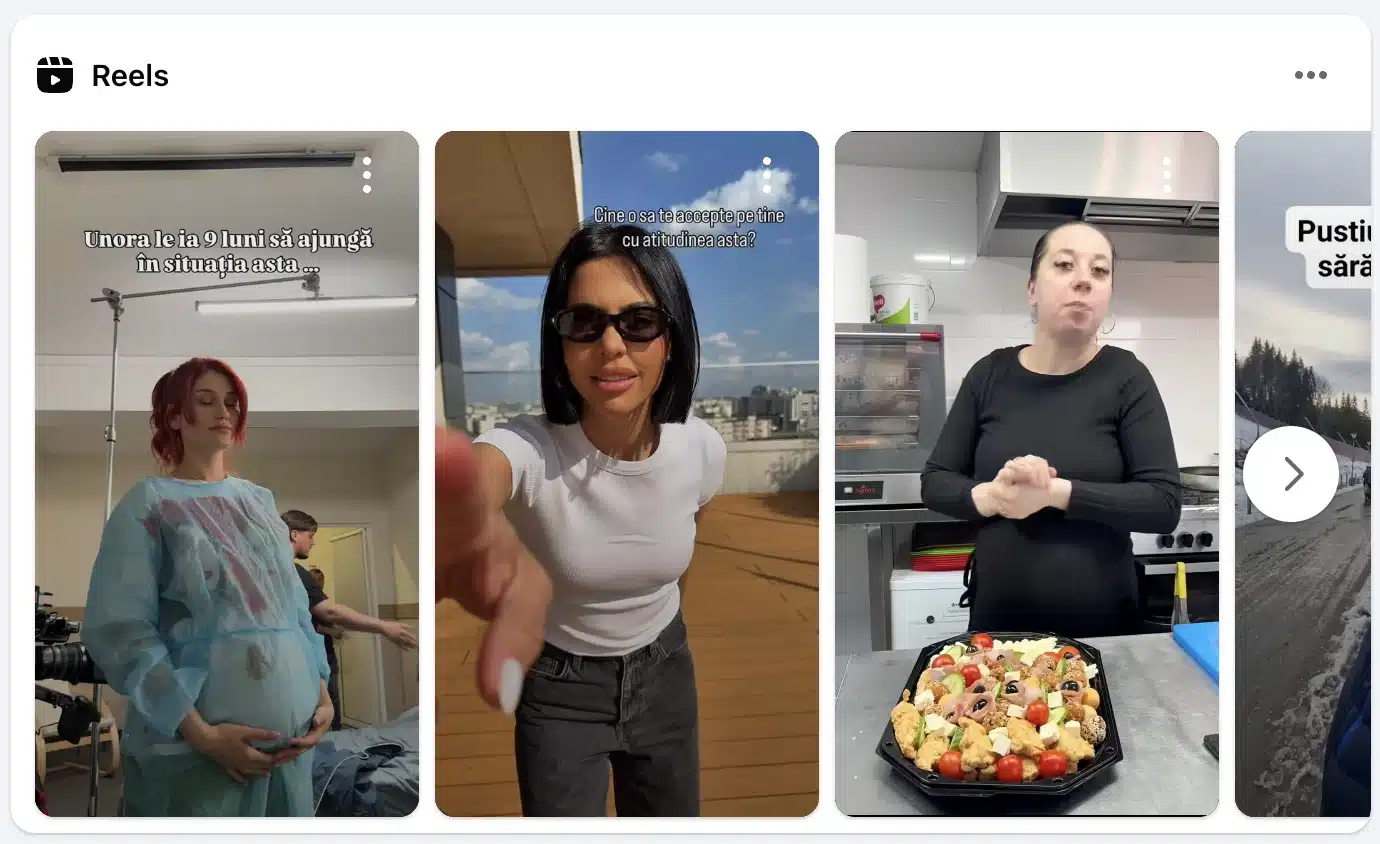
This matters more than it might seem. Around 50% of time spent on Facebook is spent watching video content, which means your formatting directly affects how your content is seen and consumed.
The challenge is that Facebook supports multiple video formats across feed, Live, Stories and Reels, and different types of video ads. Each placement behaves differently, so choosing the right format upfront makes a big difference.
Key formats to know
- Facebook in-feed video: 1280×720 (landscape), 1080×1080 (square), 720×1280 (portrait)
- Facebook Live: 1280×720
- Facebook stories: 1080×1920
- Facebook video ad size: 1080×1080 (square) or 16:9 (landscape)
- Facebook carousel video ad specs: 1080×1080
- Facebook collection video ads: 1200×628
A. Facebook in-feed video
Use square video or vertical videos when possible. They take up more space in the feed and tend to hold attention better than horizontal videos. Make sure to also use the right custom cover photo size if you decide to add one.
- Recommended resolution: 1280×720 (landscape), 1080×1080 (square), 720×1280 (portrait)
- Minimum resolution: 600×315
- Maximum resolution: 1920×1080
- Aspect ratio: 16:9, 1:1, or 9:16
- Maximum file size: 10 GB
- Maximum video length: 240 minutes
- Supported video formats: MP4, MOV, AVI, WMV, 3GP
B. Facebook live video
Live video works best in landscape format, especially if you’re streaming from a desktop or using external cameras.
- Recommended resolution: 1280×720
- Maximum resolution: 1920×1080
- Aspect ratio: 16:9
- Maximum video length: 8 hours
- Maximum frame rate: 60 fps
- Supported video formats: depends on your streaming tool
C. Facebook video specs for Stories
Stories are designed for full-screen, mobile-first viewing. Vertical video clips are not optional here, they’re the default.
- Recommended resolution: 1080×1920
- Minimum resolution: 500×889
- Maximum resolution: 1080×1920
- Aspect ratio: 9:16
- Maximum file size: 4 GB
- Maximum video length: 20 seconds
- Supported video formats: MP4, MOV, GIF
D. Facebook video ads
The best format for in-stream ads depends on placement, but square and vertical formats usually perform more consistently across devices for Facebook feed ads.
- Recommended resolution: 1080×1080
- Minimum resolution: 600×315 (landscape), 600×600 (square)
- Maximum resolution: 1080×1080
- Aspect ratio: 1:1 or 16:9
- Maximum file size: 4 GB
- Maximum video length: 240 minutes
- Supported video formats: MP4, MOV, AVI, WMV, 3GP
E. Facebook carousel video ads
Carousel ads showcase multiple images and videos. Each card in a carousel uses a square video format, so your content should be designed specifically for that layout.
- Recommended resolution: 1080×1080
- Minimum resolution: 600×600
- Maximum resolution: 1080×1080
- Aspect ratio: 1:1
- Maximum file size: 4 GB per card
- Maximum video length: 240 minutes
- Supported video formats: MP4, MOV, AVI, WMV, 3GP
F. Facebook collection video ads
Collection video ad formats combine video with product browsing, so clear framing and composition matter more than length.
- Recommended resolution: 1200×628
- Aspect ratio: 16:9
- Maximum file size: 4 GB
- Maximum video length: 240 minutes
- Supported video formats: MP4, MOV, AVI, WMV, 3GP
What to keep in mind
- Square and vertical formats usually outperform horizontal videos in feed as more Facebook users watch them
- Stories and mobile placements require vertical video
- Each ad format has different constraints, so one video rarely works everywhere
- Choosing the right format early saves time and avoids needing to edit your videos later
2. Instagram video sizes
For Instagram posts, I usually default to video dimensions of 1080 x 1350 for Instagram feed video posts and 1080 x 1920 for Instagram Reels and Instagram Stories. These formats help you take up the entire mobile screen and align your Instagram video posts with how people consume content on mobile.

That’s especially important now. The average Reels reach rate is 30.81%, more than 2× higher than other formats, which makes vertical video one of the most effective ways to get visibility on the platform.
There are fewer Instagram video formats than on Facebook, but the tradeoff is stricter expectations. If your video doesn’t match the placement, it will either get cropped or feel out of place.
Key formats to know
- Instagram in-feed video: 1080×1350 (portrait), 1080×1080 (square), 1080×566 (landscape)
- Instagram reels: 1080×1920
- Instagram stories: 1080×1920
A. Instagram in-feed video
If you’re posting to the feed, I recommend using 1080×1350 (4:5 aspect ratio, the same as the ideal Instagram image sizes). It takes up more vertical space than square video without requiring a full-screen format.
- Recommended resolution: 1080×1350 (portrait), 1080×1080 (square), 1080×566 (landscape)
- Aspect ratio: 4:5, 1:1, 16:9
- Maximum file size: 4 GB
- Maximum video length: 60 minutes
- Supported video formats: MP4, MOV
B. Instagram reels video
Reels are built for vertical videos and full-screen viewing. This is where most reach and discovery happen.
- Recommended resolution: 1080×1920
- Minimum resolution: 500×889
- Maximum resolution: 1080×1920
- Aspect ratio: 9:16
- Maximum file size: 4 GB
- Maximum video length: 3 minutes
- Supported video formats: MP4, MOV
C. Instagram stories video
Stories use the same format as Reels, but the behavior is different. They’re more time-sensitive and often used for quick updates or direct engagement.
- Recommended resolution: 1080×1920
- Minimum resolution: 600×1067
- Maximum resolution: 1080×1920
- Aspect ratio: 9:16
- Maximum file size: 4 GB
- Maximum video length: 60 seconds per story
- Supported video formats: MP4, MOV
What to keep in mind
- 4:5 performs better on the Instagram app than square video in feed because it takes up more space
- Reels and Stories require vertical video to look native, and the same goes for Instagram live video. Stories have a limited video duration of maximum two minutes
- Landscape videos lose visibility with mobile users because they appear smaller
- Reels are the main discovery format, so prioritize vertical video when possible to appear in the dedicated Reels tab
3. X video sizes
For X video, I usually recommend square (1:1) or vertical (9:16) formats for in-feed video ads and content. These formats help you upload videos that take up more space on mobile and deliver better video quality across both the web and iOS platforms.
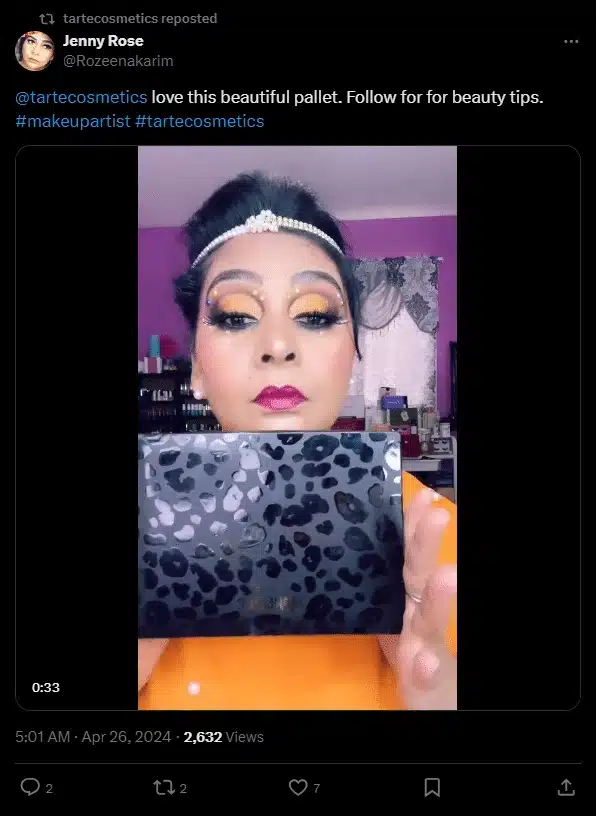
That matters because users watch videos constantly on X, with 4 out of 5 sessions including video. If your format doesn’t fit the feed, you’re losing attention before the content even starts.
X supports multiple video dimensions and formats, but not all of them perform equally well. To post high quality Twitter videos, you need to understand the platform’s limits around resolution, file size, and playback.
Key formats to know
- X in-feed video: 1280×720 (landscape videos), 720×1280 (portrait), 1080×1080 (square)
- X video ads / Twitter ads: same formats, optimized for visibility and engagement
A. X in-feed video
If you’re posting regularly, I’d default to square video for flexibility or vertical video for maximum screen real estate. This applies whether you upload videos directly or manage them through tools like Twitter’s Media Studio (X Media Studio) or a connected Twitter ad account.
- Recommended resolution: 1280×720 (landscape videos), 720×1280 (portrait)
- Minimum resolution: 32×32
- Maximum resolution: 1920×1200
- Aspect ratio: 1:1, 16:9, 9:16
- Maximum file size: 512 MB
- Maximum video length: 140 seconds
- Maximum frame rate: 40 fps
- Supported formats: MP4, MOV
These specs reflect the current Twitter video size limits, including the Twitter video length limit and overall file size limit. If your video file exceeds these limits, it may fail to upload or get compressed, reducing video quality.
What to keep in mind
- Square and vertical formats stand out more in the feed than horizontal videos as long as you’re within the Twitter video limit
- Landscape videos still work for trailers or wide visuals, but appear smaller on mobile
- Shorter video length performs better, especially with fast-scrolling behavior
- Stick to recommended video resolution and file size limits to avoid compression issues
- Use HD videos when possible, but keep the video file optimized for platform limits
- Plan for different placements, especially if you’re running video ads or managing videos on the Twitter website at scale
4. LinkedIn video sizes
For LinkedIn video ads and regular videos, I usually recommend square (1:1) or vertical (4:5 or 9:16) formats for in-feed video content. These formats take up more space in the LinkedIn feed and are easier to consume on mobile.
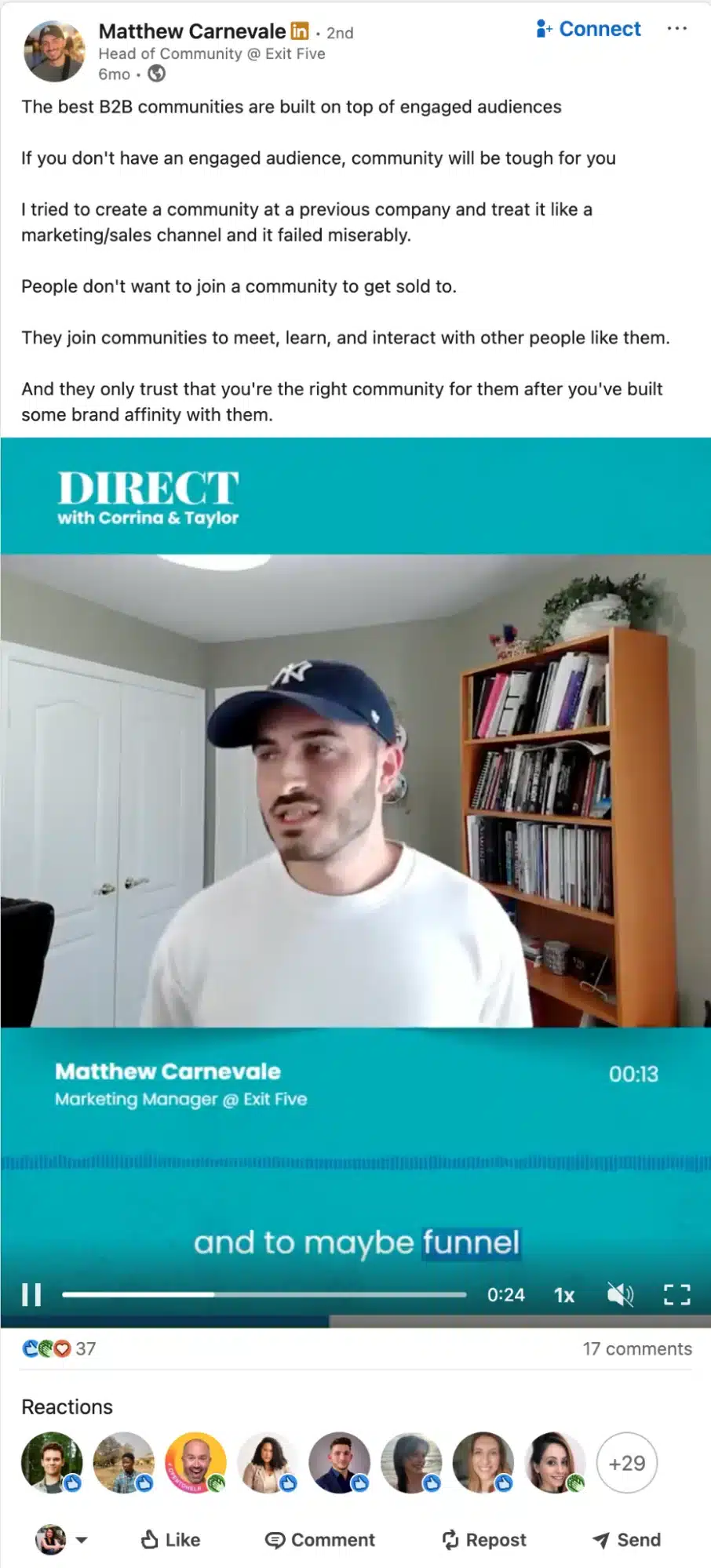
That’s important because video gets 5x more engagement on LinkedIn compared to other content types. If you’re investing in video content, format plays a direct role in video quality and whether people stop and watch.
LinkedIn supports several LinkedIn video types, including organic posts, company page videos, and sponsored video ads. While the platform allows a wide range of sizes, not all of them perform equally well in practice.
Key formats to know
- LinkedIn in-feed video: flexible (best results with 1:1 or 4:5)
- Company page videos: same specs as in-feed, optimized for visibility and engagement
- Sponsored video ads: typically square or vertical for better performance
A. LinkedIn video specs
Even though LinkedIn allows many aspect ratios, I’d avoid going too wide with regular videos and LinkedIn video ad specs. Horizontal videos tend to feel smaller and less engaging in the feed.
- Resolution range: 256×144 to 4096×2304
- Aspect ratio: 1:2.4 to 2.4:1
- Maximum file size: 5 GB
- Maximum video length: 10 minutes
- Supported video formats: MP4, WebM, AVI, MOV, and others
What to keep in mind
- Square and vertical LinkedIn video aspect ratios perform better in the LinkedIn feed than horizontal videos
- Keep native LinkedIn videos concise, especially for organic posts and company page videos
- Design for silent viewing, since many users watch without sound; use subtitles and clear visual cues
- Use simpler formats for sponsored video ads, as overly complex visuals can reduce clarity
- Avoid overproduced styles that feel out of place in a professional feed
5. YouTube video sizes
For YouTube video, I recommend using 1920 x 1080 pixels (16:9) for standard YouTube videos and 1080 x 1920 (9:16) for YouTube Shorts. These are the two formats that cover most use cases on the platform.
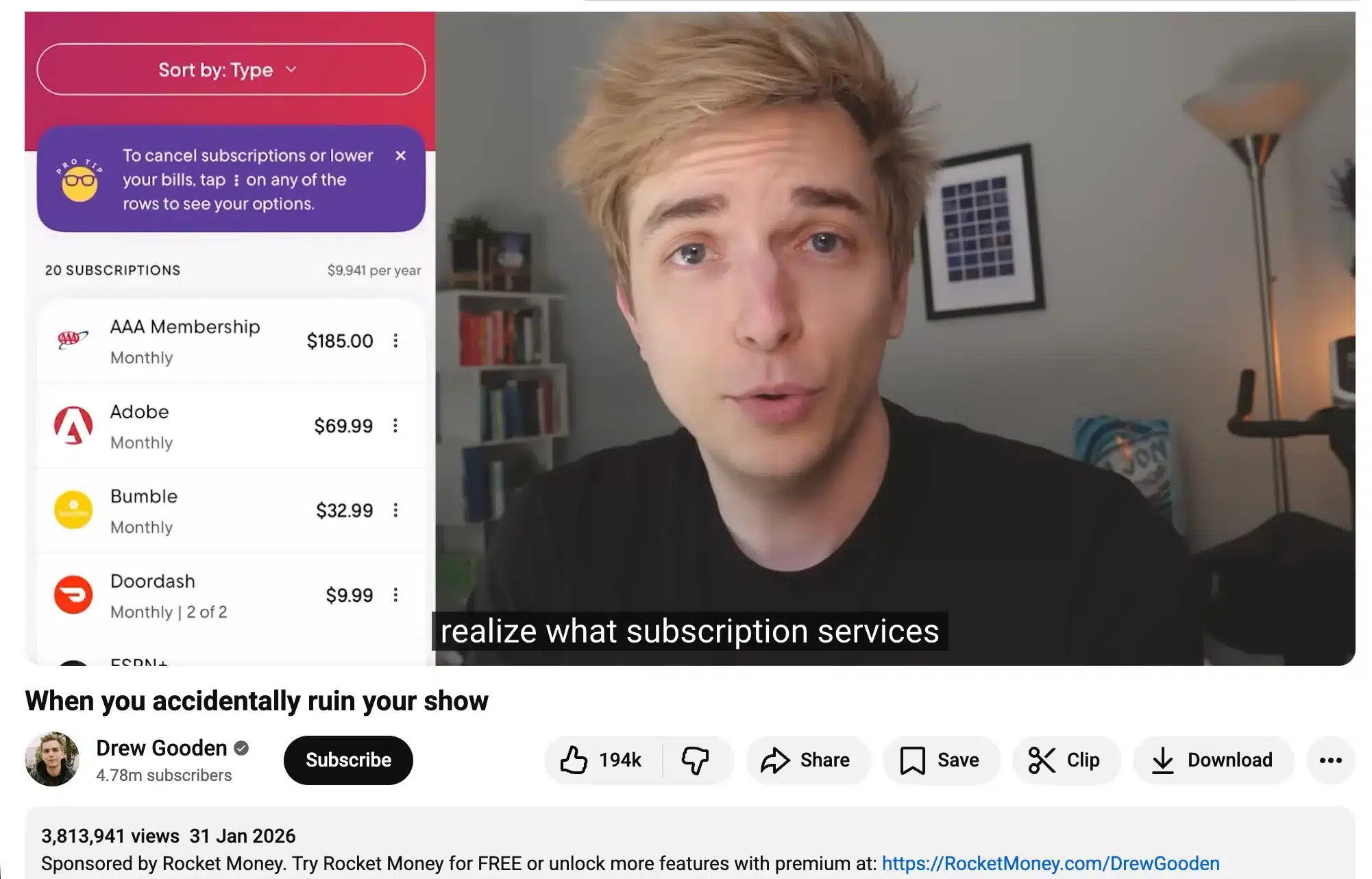
This is especially important because 70% of YouTube watch time comes from mobile devices. That means your format needs to work well on smaller screens, even if you’re creating long-form content.
Your YouTube channel supports several video formats, but the key is choosing the right one based on how your content will be consumed.
Key formats to know
- Standard YouTube videos: 1920×1080 (horizontal videos)
- YouTube Shorts: 1080×1920 (vertical videos)
- YouTube video ads: typically 1920×1080
A. YouTube landscape video
This is the default format for most content on YouTube, including tutorials, interviews, music videos, and long-form video content. The recommended resolution for the video is also the recommended one for the video thumbnail, which all YouTube videos have.
- Recommended YouTube video resolution: 1920×1080
- Available resolutions: 3840×2160, 2560×1440, 1920×1080, 1280×720, 854×480, 640×360, 426×240
- Aspect ratio: 16:9
- Maximum file size: 128 GB or 12 hours
- Maximum video length: 12 hours
- Supported video formats: MOV, MP4, AVI, WMV, FLV, WebM
B. YouTube square video
Square video can work when you’re repurposing content from other social media platforms, but it’s not the best default for YouTube.
- Recommended resolution: 1080×1080
- Minimum resolution: 240×240
- Maximum resolution: 1080×1080
- Aspect ratio: 1:1
- Maximum file size: 128 GB
- Maximum video length: 12 hours
- Supported video formats: MOV, MP4, AVI, WMV, FLV, WebM
C. YouTube portrait video
Portrait video and with a portrait YouTube thumbnail is mainly used for mobile-first content or repurposed social media videos.
- Recommended resolution: 1080×1920
- Minimum resolution: 240×426
- Maximum resolution (full HD): 1080×1920
- Aspect ratio: 9:16
- Maximum file size: 128 GB
- Maximum video length: 12 hours
- Supported video formats: MOV, MP4, AVI, WMV, FLV, WebM
D. YouTube video ads
The best YouTube video dimensions for in-stream ads vary depending on format, so it’s important to match the size and length to the placement.
- Recommended resolution: 1920×1080
- Minimum resolution: 426×240
- Maximum resolution: 3840×2160
- Aspect ratio: 16:9 or 4:3
- Maximum file size: 128 GB or 12 hours
Maximum video length:
- Skippable video ads: up to 6 minutes (skippable after 5 seconds)
- Non-skippable video ads: 15–20 seconds (30 seconds in some regions)
- Mid-roll video ad: typically placed in longer videos
- Bumper video ads: 6 seconds
- Supported video formats: MOV, MP4, AVI, WMV, FLV, WebM
E. YouTube Shorts
Shorts are designed for quick, vertical, mobile-first content and are one of the fastest ways to reach new audiences.
- Recommended resolution: 1080×1920
- Minimum resolution: 720×1280
- Maximum resolution: 1080×1920
- Aspect ratio: 9:16
- Maximum file size: 10 MB
- Maximum video length: 60 seconds
- Supported video formats: MP4, MOV
What to keep in mind
- Use horizontal videos for standard YouTube uploads
- YouTube supports vertical videos for YouTube Shorts and mobile-first content
- Create engaging videos by repurposing other social media videos instead of uploading the same video everywhere
- Match the format to the goal: long-form for depth, Shorts for reach, video ads for conversion
6. TikTok video sizes
For TikTok video, assume vertical first. The safest and most effective format and TikTok video size ratio is 1080×1920 (9:16) for both organic videos and video ads.

TikTok video dimensions are built around full-screen, mobile-first viewing. If your video doesn’t match that format, it will immediately feel out of place.
Key formats to know
- TikTok in-feed videos: 1080×1920
- TikTok Story video: 1080×1920
- TikTok video ads: 1080×1920
A. TikTok in-feed video
This is the main format to use when you create or edit TikTok videos. Everything from short-form content to longer videos uses this layout.
- Recommended resolution: 1080×1920
- Minimum resolution: 720×1280
- Maximum resolution: 1080×1920
- Aspect ratio: 9:16
- Maximum file size: 287.6 MB
- Maximum video length: 3 minutes
- Supported video formats: MP4, MOV
B. TikTok story video
Ideal TikTok video sizes for stories use the same vertical format but are shorter and more temporary.
- Recommended resolution: 1080×1920
- Aspect ratio: 9:16
- Maximum video length: 15 seconds
- Supported video formats: MP4, MOV
C. TikTok video ad specs
TikTok ads follow the same structure as organic content, but with stricter limits depending on placement.
- Recommended resolution: 1080×1920
- Minimum resolution: 720×1280
- Maximum resolution: 1080×1920
- Aspect ratio: 9:16
- Maximum file size: 500 MB
- Maximum video length: 60 seconds
- Supported video formats: MP4, MOV, MPEG, 3GP, AVI
What to keep in mind
- Vertical video is the default, not an option
- Your hook needs to happen early, since TikTok users scroll quickly
- Repurposed content must be reformatted, not just resized
- Keep videos concise, even if longer formats are allowed
7. Pinterest video sizes
For Pinterest video pins, I recommend using 1200×1800 (2:3) or 1080×1920 (9:16). Both formats work well for videos and Pinterest ads, but vertical videos tend to perform better because they take up more space in the feed.
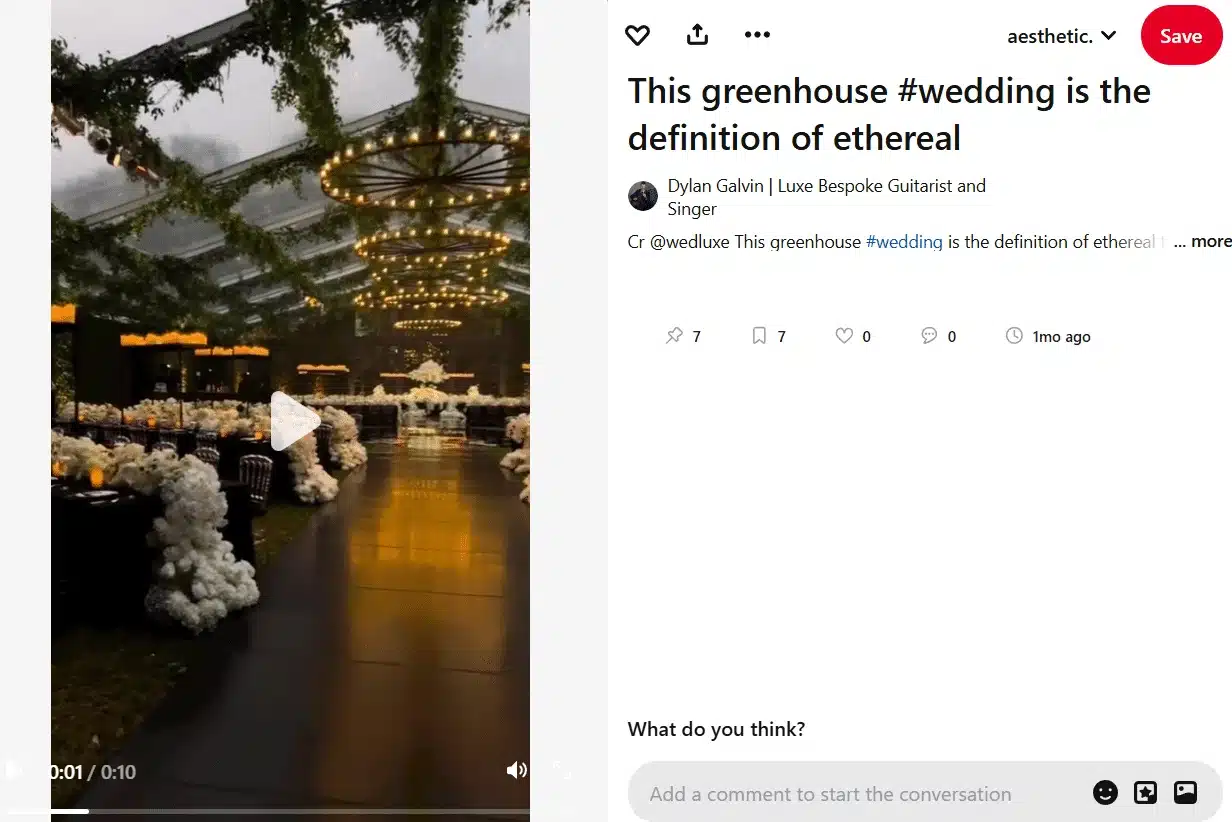
Pinterest is more discovery-driven than most platforms, so your video format plays a big role in whether Pinterest users stop scrolling and engage.
Key formats to know
- Pinterest video pins: 1200×1800 or 1080×1920
- Pinterest video ad specs: 1200×1800 or 1080×1920
Pinterest video pins specs
- Recommended resolution: 1200×1800
- Aspect ratio: 2:3 or 9:16
- Maximum file size: 2 GB
- Maximum video length: 15 minutes
Pinterest advertising formats to consider
Pinterest offers several video-based ad formats, and each one has slightly different requirements:
- Standard video pins (organic and promoted): best for awareness and traffic
- Idea Pins (Idea ads): multi-page, full-screen vertical content designed for engagement
- Collection ads / Pinterest collection ads: combine video with product images on your Pinterest business account to support shopping behavior
- Pinterest shopping ads: focus on product discovery, often paired with strong visuals and clear calls to action
- Max width video ads: expand across the full screen on mobile, making vertical format even more important
For most campaigns, sticking to vertical video formats ensures your content works across these placements without needing major adjustments.
What to keep in mind
- Vertical videos and Pinterest video ads perform best because they take up more screen space
- Keep your visuals clear and simple, since users scroll quickly
- Design for discovery, not just engagement, as content can resurface over time
- Use square or vertical formats for Pinterest ad specs for better visibility in the feed
8. Google Business video sizes
For any Google Business profile page video (formerly known as Google My Business video), I recommend using 1280×720 (16:9). This format is simple, widely supported, and works well across different devices and search placements. If you have bigger videos from other video platforms that you think could work on Google Business, use a video compression tool to bring it to the right size.
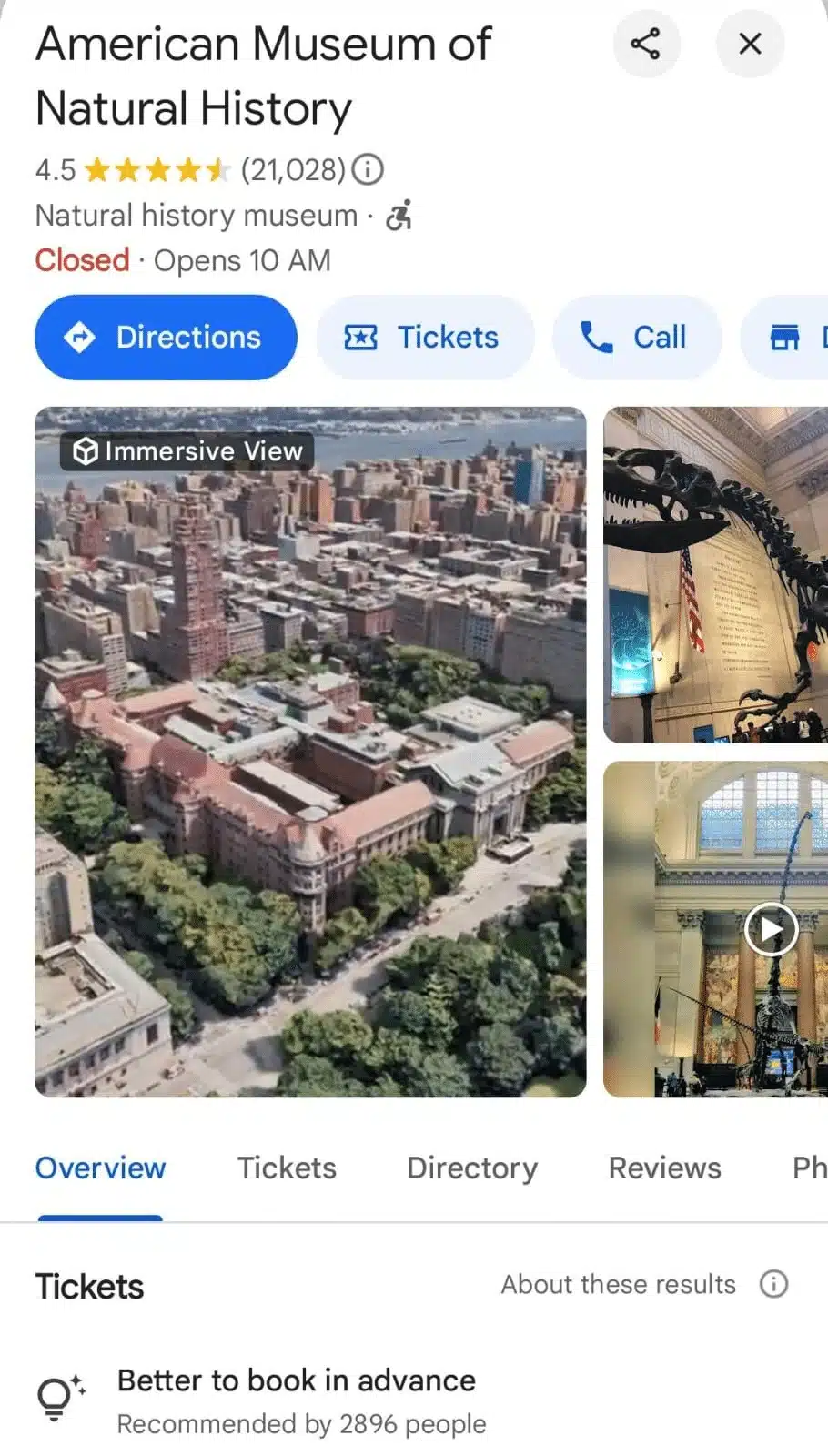
Unlike other social media platforms, Google Business videos are not about reach or discovery in a feed. They’re about building trust and giving context when someone is already searching for your business.
Key formats to know
- Google Business Profile videos: 1280×720
Google Business Profile video specs
- Recommended resolution: 1280×720
- Aspect ratio: 16:9
- Maximum file size: 100 MB
- Maximum video length: 30 seconds
What to keep in mind
- Keep videos short, focused, and within Google Business’s file size limit since users are looking for quick information
- Show your business location, product, or service clearly to build trust as a business owner
- Don’t go overboard with a video editing tool, as simple, authentic videos tend to work better here
- Video should give visitors of your Google Business profile support in better understanding your listing after a Google search or a search on Google Maps
9. Threads video sizes
For video in the Threads app, I recommend using 1080×1920 (9:16) for most posts. The platform is closely tied to Instagram, so Threads supports vertical videos for mobile-first viewing.
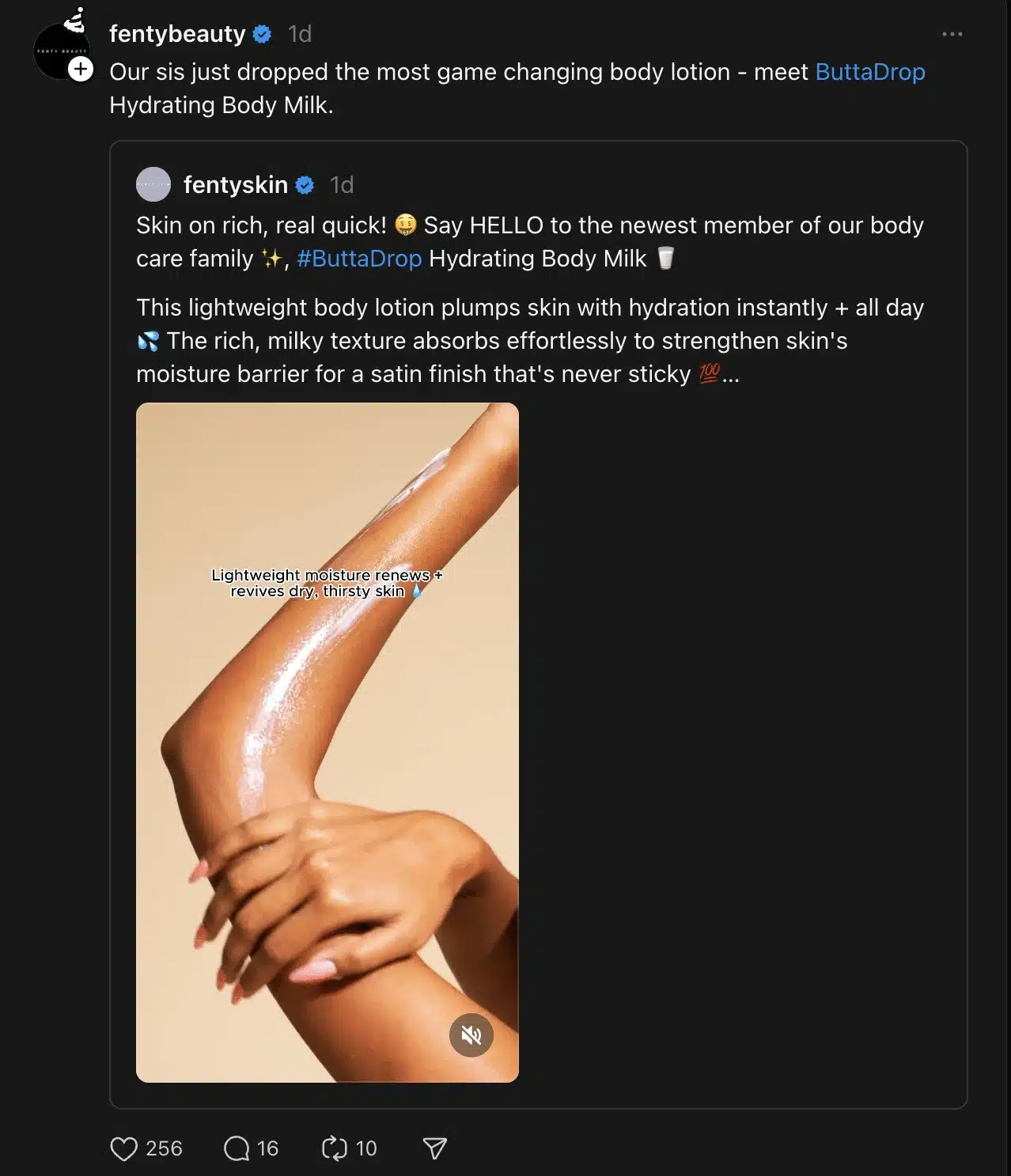
While Threads content is still evolving, video behaves similarly to feed content from your Instagram account. That means format matters if you want your video to look natural in the feed and appeal to the Threads audience.
Key formats to know
- Threads video posts: 1080×1920 (vertical), 1080×1350 (portrait), 1080×1080 (square)
Threads video specs
- Recommended resolution: 1080×1920 (vertical), 1080×1350 (portrait), 1080×1080 (square)
- Aspect ratio: 9:16, 4:5, or 1:1
- Maximum file size: 1 GB
- Maximum video length: 5 minutes
- Supported video formats: MP4, MOV
What to keep in mind
- Vertical video on Threads feels most native, especially when creating engaging Threads posts for mobile scrolling
- Square and 4:5 formats work well for feed consistency in Threads posting, similar to Instagram
- Keep videos concise and easy to follow, since Threads is still a fast-scrolling environment
- Expect changes, as Threads is still developing its video features, so don’t schedule Threads posts too far in advance
10. Bluesky video sizes
For Bluesky video, I recommend using 1080×1920 (9:16) or 1080×1080 (1:1). Since the platform is still evolving (it only added native video support in 2024) it’s best to stick with formats that work well across mobile-first feeds. Unlike other platforms, it doesn’t support animated GIFs, making video the primary format for moving content.

Bluesky behaves similarly to X in terms of layout, but with a stronger mobile usage pattern. That makes vertical and square video the safest choices for successful uploads.
Key formats to know
- Bluesky video posts: 1080×1920 (vertical), 1080×1080 (square), 1280×720 (landscape)
Bluesky video specs
- Recommended resolution: 1080×1920 (vertical), 1080×1080 (square), 1280×720 (landscape)
- Aspect ratio: 9:16, 1:1, or 16:9
- Maximum file size: 100 MB
- Maximum video length: 60 seconds
- Supported video formats: MP4
What to keep in mind
- Vertical and square formats feel most natural in the feed
- Keep videos short, since the platform favors quick consumption
- Use simple formatting, as features are still evolving
- Expect changes, as Bluesky continues to develop
Frequently asked questions
1. What is the best video size for social media in general?
The safest default is 1080×1920 (9:16) for vertical videos and 1080×1080 (1:1) for square video. These formats work well across most social media platforms because they take up more screen space on mobile and are easier to watch.
If you’re creating video content for multiple platforms, start with vertical and adapt as needed for each placement.
2. Should I use 9:16 or 1:1 for social media videos?
Use 9:16 (vertical videos) for full-screen placements like Instagram Reels, TikTok, YouTube Shorts, and Stories. Use 1:1 (square video) for feed video content when you want a balance between visibility and flexibility.
In most cases, vertical videos perform better because they fill the screen, but square videos are still a strong option for cross-platform posting.
3. What video format should I upload to social media?
The best video format for most platforms is MP4 with H.264 encoding. It offers the best balance between quality and file size and is supported across all major social media platforms.
Other options like MOV file formats also work, but MP4 is the most reliable choice when you upload files for consistent playback and compatibility.
4. Can I use the same video for Instagram, TikTok, YouTube Shorts, and Facebook Reels?
You can reuse the same idea, but you shouldn’t do video uploads without adjustments.
Each social media platform has different requirements for the correct aspect ratio, video length, and formatting. For example, a video designed for Instagram feed may not display properly on TikTok or YouTube Shorts.
Instead, create multiple versions of your video with the correct video aspect ratios and video dimensions for each platform.
4. What happens if my video is the wrong size?
If you add videos of the wrong size, it may get cropped, stretched, or compressed, which can affect how it looks and performs.
In some cases, important elements like text or faces can be cut off. In others, the video may appear smaller or less clear, reducing engagement.
Using the correct social media video sizes ensures your content displays properly and keeps viewers watching.
5. What is the best bitrate for social media videos?
The ideal video bitrate depends on the platform, but a good starting point is:
- 8–12 Mbps for 1080p videos
- 4–6 Mbps for smaller or compressed uploads
Higher bitrate improves quality, but also increases video file size. Most social media platforms compress videos during upload, so it’s best to use a high-quality export without going overboard.
Enhance your social media video strategy with SocialBee
Social media video sizes aren’t just technical details. They shape how your content looks, how much space it takes up, and whether people actually watch it.
The key takeaway is simple: one video rarely works everywhere. A format that performs well in a feed won’t necessarily work for Stories, Shorts, or video ad dimensions. Placement matters more than the platform name itself.
In practice, the best approach is to create a few intentional variations instead of forcing the same video across every channel. That’s how you avoid cropping issues, improve watch time, and make your content feel native on each platform.
Once you start doing that, things can get messy fast.
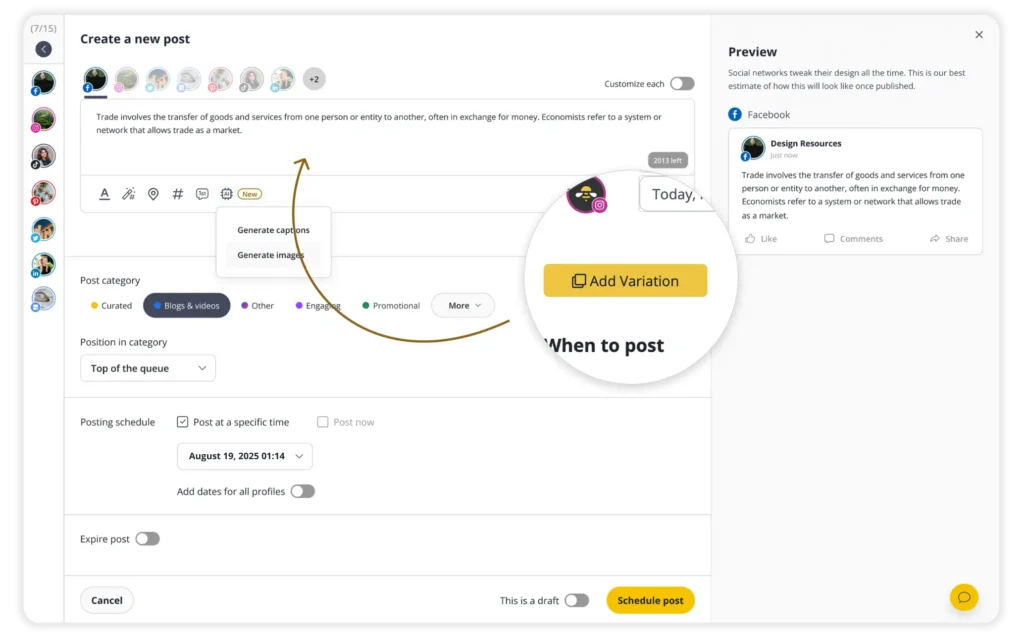
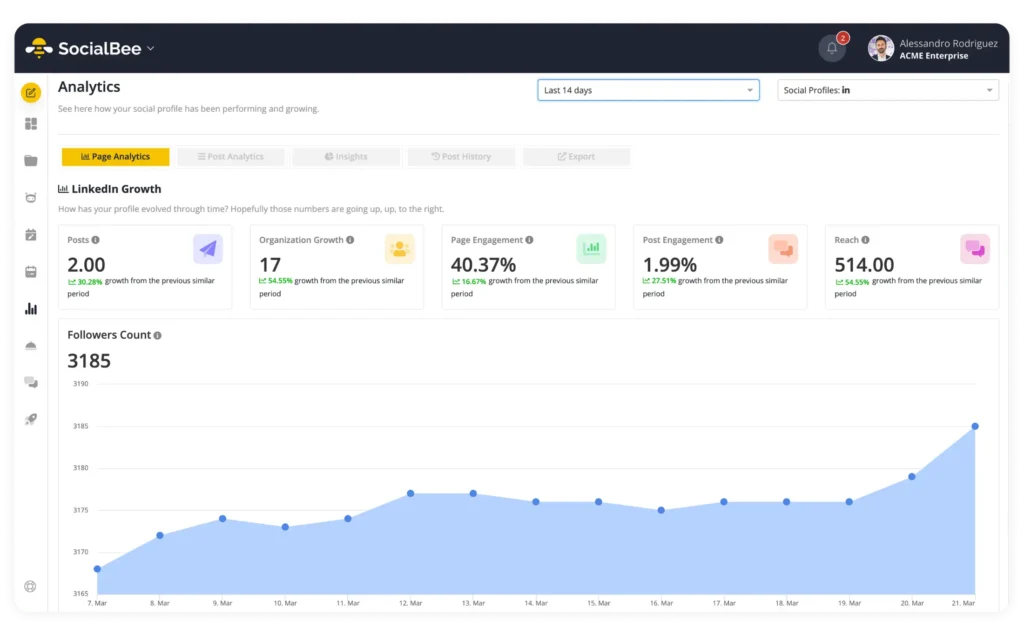
You’re managing different video formats, multiple versions, and separate posting schedules across platforms. That’s where SocialBee helps. You can create, customize, and schedule your video posts for each platform from one place in just a few clicks, without rebuilding everything every time.
If you want a simpler way to post videos manage your social media presence, start your 14-day Socialbee free trial.