

Social media image sizes change constantly, and using the wrong dimensions can leave your visual content cropped, blurry, stretched, or awkwardly framed across different platforms. A cover image that looks perfect on desktop might get cut off on mobile, while the wrong image size can ruin everything from Instagram Stories to LinkedIn company pages.
When I’m creating assets for multiple platforms, I don’t just check the recommended social media image dimensions. I also look at crop behavior, safe zones for text, display size differences between desktop and mobile, and how vertically oriented images or square image formats appear in the feed. Small adjustments there usually make the difference between a polished post and one that looks off the moment it goes live.
In this guide, I’ll walk you through the latest social media image sizes for Facebook, Instagram, LinkedIn, Pinterest, YouTube, TikTok, X, Threads, and Bluesky, including profile image dimensions, cover photo specs, image and video sizes, maximum file size limits, and a few tips and recommended formats like JPG or PNG file uploads.

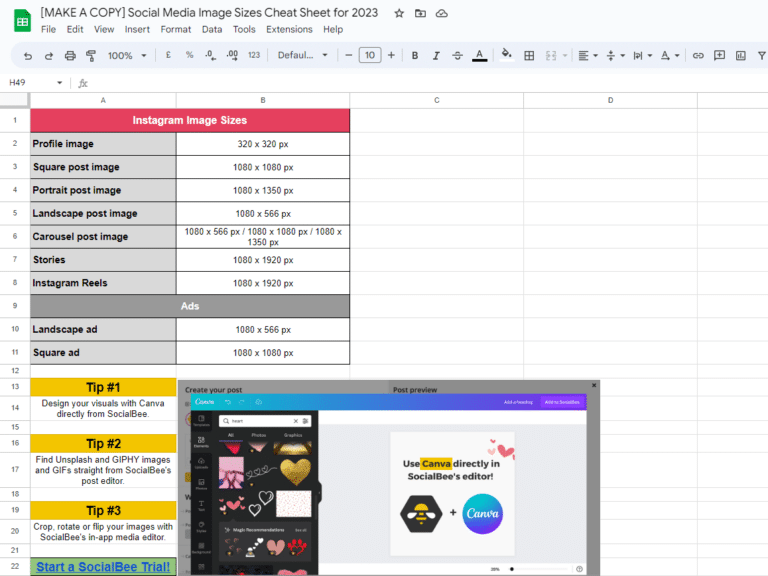
Social media image sizes per platform
The easiest way to manage social media image sizes is to organize them by platform and format: profile images, cover images, feed posts, stories, ads, and video thumbnails. While many platforms use similar aspect ratio patterns, small differences in image dimensions and JPG or PNG maximum file size can still affect how your visuals appear.
If you only need one quick answer, jump to your platform section. If you create content for multiple channels, focus on the recurring formats like square image posts, vertical images, and landscape image layouts because you can reuse those templates across several platforms.
One of the most practical ways to handle multiple formats is to design with a “safe zone” in mind. That means placing your key visuals and text in the center of your image so they stay visible across different crops.
As Nick Theriot, growth marketer, explains:
“This full creative will be filled up as a 9×16, but all the important stuff goes in this 1×1 safe zone… we can appear on Reels, we can appear on Stories, and we can appear on a news feed, and we’re not going to have to worry about weird cropping issues.”
Here are the social media image sizes covered in this guide:
- Facebook image sizes
- Instagram image sizes
- LinkedIn image sizes
- Pinterest image sizes
- X (Twitter) image sizes
- YouTube image sizes
- TikTok image sizes
- Threads post image size recommendations
- Bluesky image sizes
- Google Business Profile image sizes
1. Facebook image sizes
The Facebook image sizes most marketers need are 180 x 180 pixels for profile pictures, 851 x 315 pixels for cover photos, 1200 x 630 pixels for feed posts, and 1080 x 1920 pixels for Facebook Stories. If you run Facebook feed ads or in-stream photos, start with at least 1080 x 1080 pixels for better flexibility across placements.
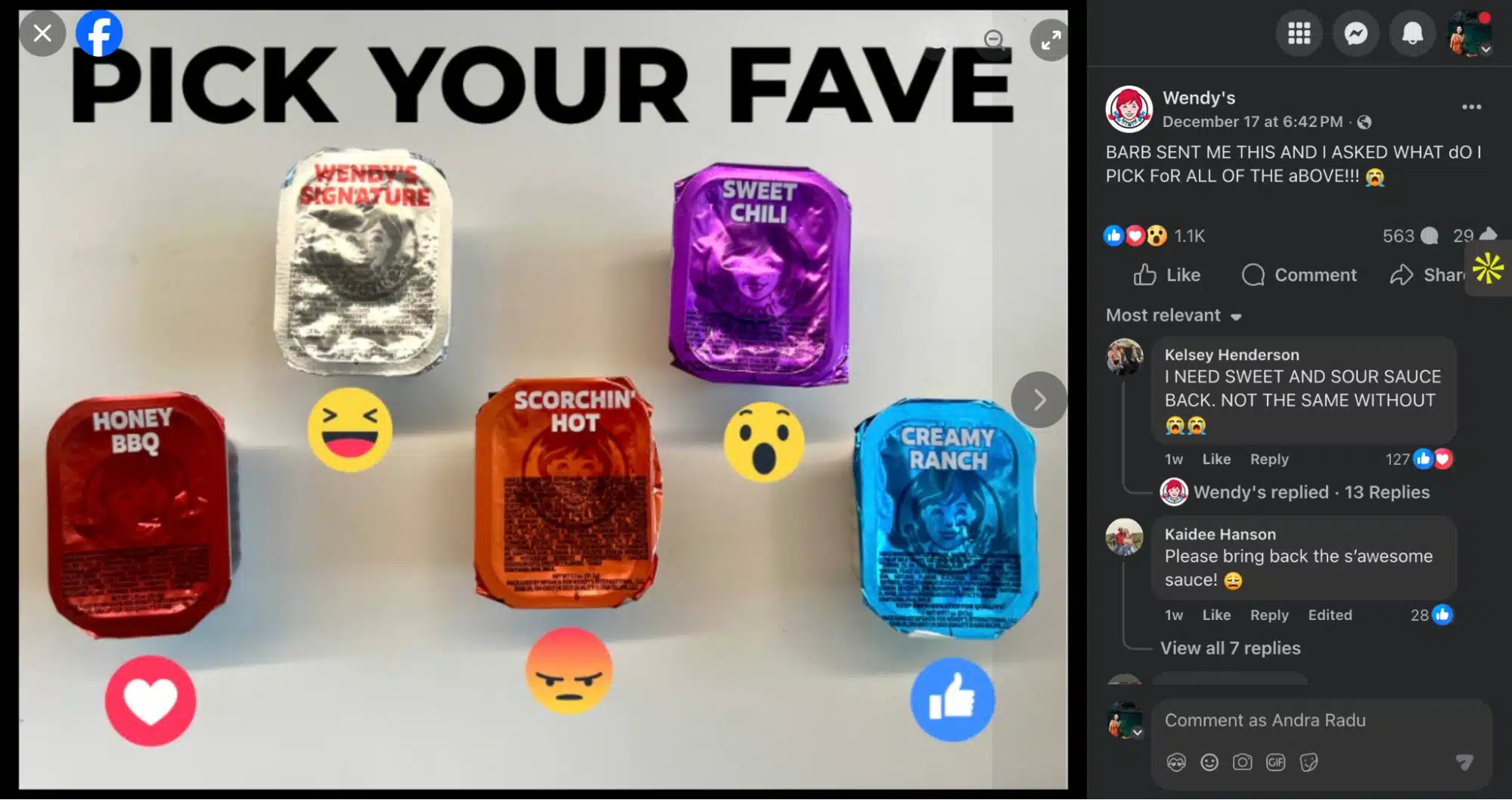
In practice, the Facebook image posts sizes that matter most are feed posts, Stories, ads, and event covers. Those formats usually get the most reach, engagement, and paid distribution, so they’re worth optimizing first.
Most-used Facebook image sizes
- Facebook profile picture size: 180 x 180 pixels
- Facebook cover photo size: 851 x 315 pixels
- Facebook post image size: 1200 x 630 pixels
- Facebook event cover photo size: 1920 x 1005 pixels
- Facebook fundraiser image size: 800 x 300 pixels
- Facebook Stories image size: 1080 x 1920 pixels
- Facebook ad image size: 1080 x 1080 pixels
Facebook profile picture size: 180 x 180 pixels
The recommended Facebook profile picture size is 180 x 180 pixels. On mobile devices, profile photos usually display closer to 128 x 128 pixels, so avoid adding small text or detailed logos that may become difficult to read.
For business pages and company pages, I recommend using a simple logo mark with enough padding around it. Facebook crops profile images into a circle, which can cut off text near the edges so I would keep that part of the image free.
Facebook cover photo size: 851 x 315 pixels
The recommended image size for Facebook covers is 851 x 315 pixels, with a minimum size of 400 x 150 pixels, for a Facebook business page or personal profile. The same rule applies to any Facebook group cover photo.
Header images display differently between desktop and mobile, so keep important text and design elements centered. This matters even more if you use a custom background image with calls to action, campaign messaging, or product visuals.
Facebook feed post image size: 1200 x 630 pixels
The recommended Facebook feed post image size is 1200 x 630 pixels. This landscape image format works well for blog post link images, promotional graphics, and shared content previews on any Facebook page.
For carousel image posts, use square images at 1200 x 1200 pixels. Keeping the same aspect ratio across all slides creates a cleaner scrolling experience.
Facebook event cover image size: 1920 x 1005 pixels
The ideal Facebook event photo size is 1920 x 1005 pixels. This size helps your cover image stay sharp across desktop and mobile layouts.
One important detail many people miss: Facebook may crop event covers differently depending on placement. I usually keep text and logos away from the outer edges to avoid awkward cuts in previews and mobile views.
Facebook fundraiser image size: 800 x 300 pixels
The recommended Facebook fundraiser image size is 800 x 300 pixels.
Because this is a narrow banner image format, simple visuals usually perform better than crowded designs. A clear headline, one focal point, and high contrast tend to work best here.
Facebook Stories image size: 1080 x 1920 pixels
The recommended Facebook Stories ads or regular posts size is 1080 x 1920 pixels with a 9:16 aspect ratio. This full-screen vertical format matches the ideal aspect ratio used for Instagram Stories and most vertical video content.
If you create Stories regularly, it’s worth building reusable templates at 1080 x 1920 px. In my experience, that single format covers a huge percentage of short-form visual content across social media.
Facebook ad image size: 1080 x 1080 pixels
For Instagram and Facebook image dimensions for ads, the recommended minimum width and height are 1080 x 1080 pixels. Facebook supports several aspect ratios, but square image formats usually adapt best across placements.
The maximum file size for Facebook ads is 30 MB. For image files, JPG or PNG formats work best.
Design tips for Facebook images
- Use higher-quality photo exports for any custom cover photo and ads because Facebook compression can soften details.
- Keep important text away from the edges of cover images and Stories, even if you respect the ideal Facebook photo post sizes.
- Use the same aspect ratio across carousel image posts for a cleaner layout.
- Design Facebook Stories and Instagram Stories together at 1080 x 1920 pixels to save production time.
2. Instagram image sizes
The Instagram image sizes that matter most today are 1080 x 1350 pixels for feed posts, 1080 x 1920 pixels for Instagram Stories and Reels, and 1080 x 1080 pixels for square image posts. If you only optimize one format, make it the 4:5 portrait layout because it takes up more space in the feed and usually gets better visual visibility on mobile.

Instagram now favors vertically oriented images much more than it used to. While square image posts still work, portrait content generally performs better because it occupies more screen space before users scroll past it.
Most-used Instagram image sizes
- Instagram profile picture size: 320 x 320 pixels
- Instagram portrait post size: 1080 x 1350 pixels
- Instagram square post size: 1080 x 1080 pixels
- Instagram landscape post size: 1080 x 566 pixels
- Instagram Stories image size: 1080 x 1920 pixels
- Instagram carousel image sizes: 1080 x 1350, 1080 x 1080, or 1080 x 566 pixels
- Instagram Reels size: 1080 x 1920 pixels
- Instagram ads image sizes: 1080 x 566 or 1080 x 1080 pixels
Why the 4:5 Instagram format matters
Instagram’s shift toward the 4:5 aspect ratio changed how feed content performs visually. A 1080 x 1350 pixel image takes up more vertical space in the feed than a square image, which makes posts harder to scroll past.
That extra height gives your visual content more attention without requiring extra effort from the viewer. In my experience, portrait posts also make educational carousels, product showcases, and text-based graphics easier to read on mobile.
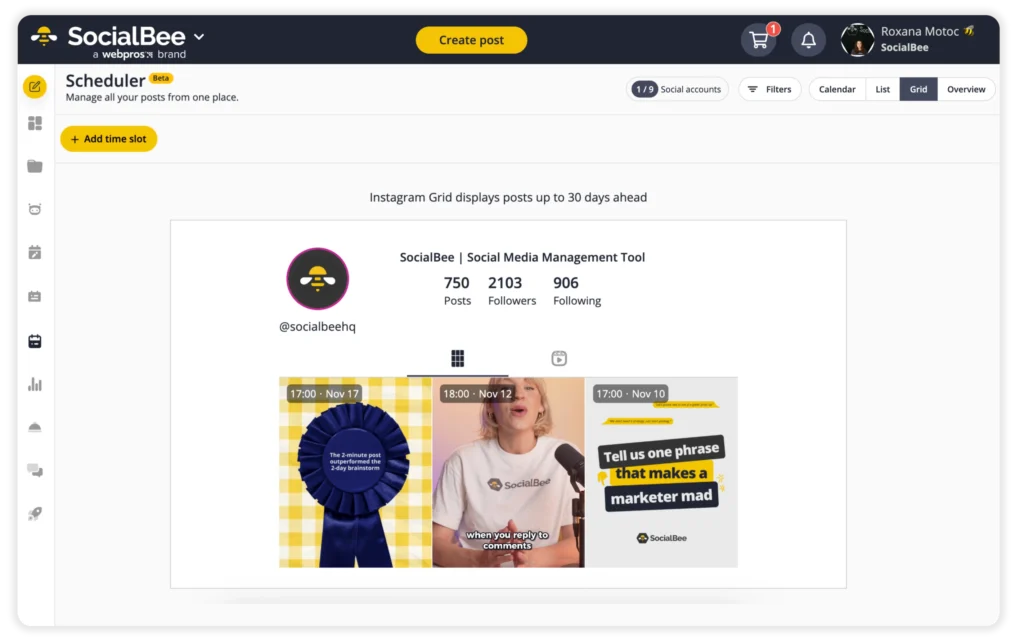
One thing to remember: Instagram profile grid previews still crop differently. Even if your post uses a 4:5 format, the thumbnail may appear more square in the grid view, so keep important text and subjects centered.
Instagram profile picture size: 320 x 320 pixels
The recommended Instagram profile photo size is 320 x 320 pixels, although profile photos typically display smaller on the app.
Like Facebook, Instagram crops profile images into a circle. Simple logos, centered headshots, and clean branding elements usually work best here.
Instagram feed post sizes
Instagram supports several feed post formats, but the recommended option for most brands is the portrait layout.
- Portrait posts (recommended): 1080 x 1350 pixels with a 4:5 aspect ratio
- Square image posts: 1080 x 1080 pixels with a 1:1 aspect ratio
- Landscape image posts: 1080 x 566 pixels with a 1.91:1 aspect ratio
Here’s how I usually think about them in practice:
- Use portrait posts for educational content, product promotions, and carousel posts.
- Use square images when you need cross-platform flexibility with Facebook, LinkedIn, or Pinterest.
- Use landscape images sparingly because they take up less feed space on mobile devices and mess up your Instagram grid.
Instagram Stories image size: 1080 x 1920 pixels
The recommended Instagram photos for Stories have a size of 1080 x 1920 pixels with a 9:16 aspect ratio.
This full-screen format is also used for vertical video, Facebook Stories, and most short-form mobile content. Because of that, many brands now create one master 1080 x 1920 px template and adapt it across multiple platforms.
Keep important text away from the very top and bottom of Stories because interface buttons can cover those areas.
Instagram carousel image sizes
Instagram carousel image sizes depend on the orientation you choose:
- Portrait carousel images: 1080 x 1350 pixels
- Square carousel images: 1080 x 1080 pixels
- Landscape carousel images: 1080 x 566 pixels
The most important rule with Instagram dimensions for carousel image posts is consistency. All slides should usually follow the same aspect ratio and have the same dimensions. Mixing multiple images in portrait, square, and landscape in the same carousel often creates awkward cropping and inconsistent transitions between images.
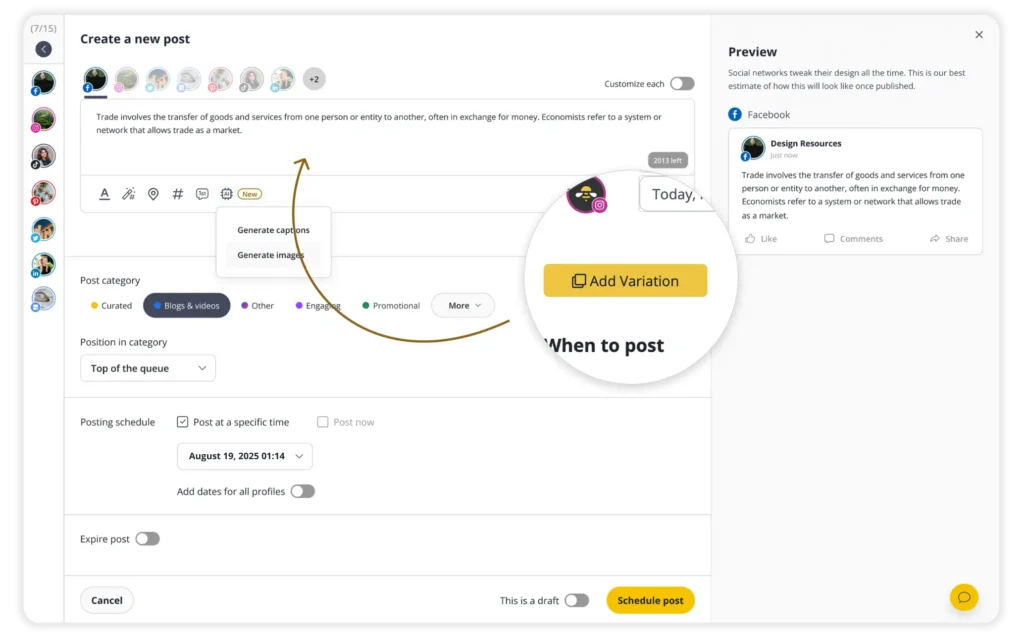
If you publish on Instagram alongside other platforms, SocialBee helps you create platform-specific content variations, so you can adapt the same asset into a 4:5 Instagram post, a square Pinterest image, or a landscape LinkedIn visual without redesigning everything from scratch.
3. LinkedIn image sizes
The LinkedIn image sizes most professionals and brands use are 400 x 400 pixels for profile images, 1584 x 396 pixels for a cover photo, 1128 x 191 pixels for company pages, and 1200 x 627 pixels for post and link images. If you only remember one LinkedIn format for your personal profile or LinkedIn business page, make it 1200 x 627 pixels because it works reliably for most feed content and any link preview image.
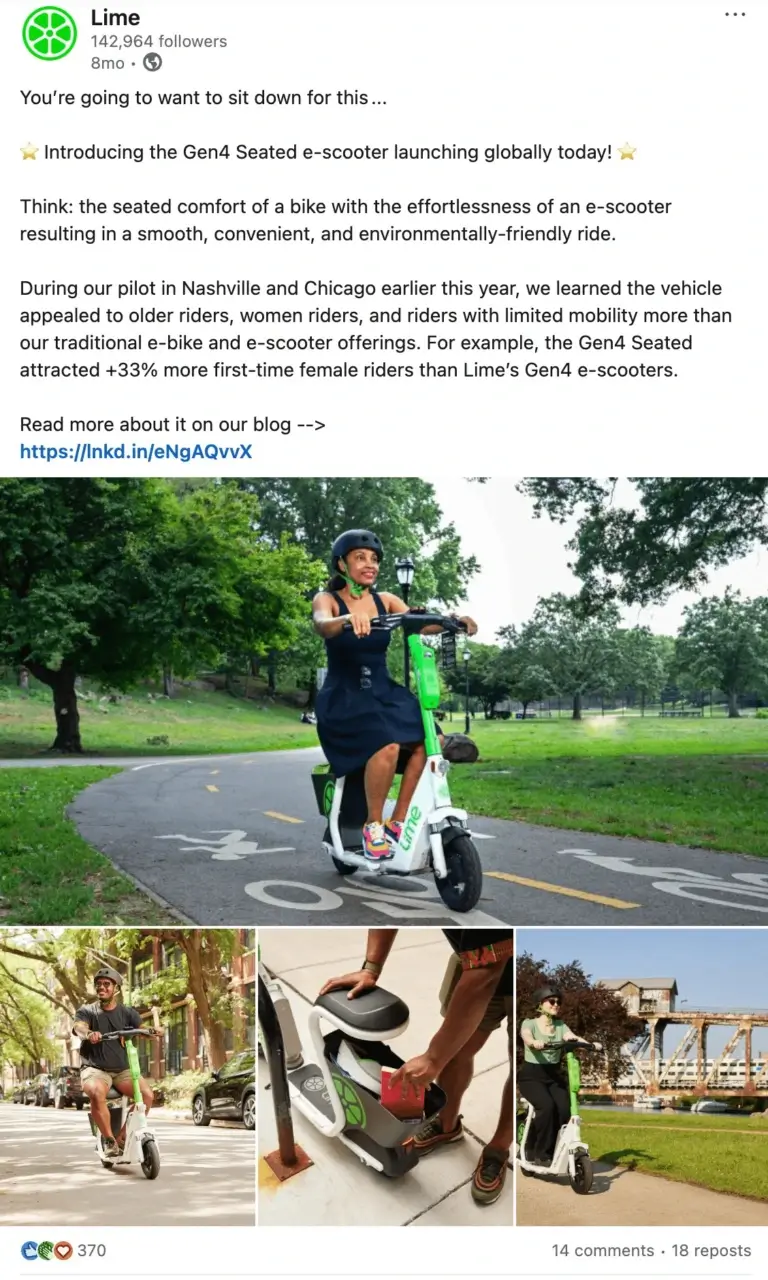
LinkedIn is more text-heavy than platforms like Instagram or TikTok, so clear layouts and readable visuals usually perform better than overly designed graphics. In my experience, simple images with strong headlines tend to outperform crowded designs on LinkedIn feeds.
Most-used LinkedIn image sizes
- LinkedIn personal profile picture size: 400 x 400 pixels
- LinkedIn personal cover photo size: 1584 x 396 pixels
- LinkedIn company logo size: 300 x 300 pixels
- LinkedIn company cover image size: 1128 x 191 pixels
- LinkedIn post and link image size: 1200 x 627 pixels
- LinkedIn square single image ads size: 1200 x 1200 pixels
- LinkedIn vertical image ad size: 628 x 1200 pixels, 600 x 900 pixels, or 720 x 900 pixels
LinkedIn personal profile picture size: 400 x 400 pixels
The recommended LinkedIn profile image size is 400 x 400 pixels, although LinkedIn supports much larger image files.
Since profile pictures appear small across comments, search results, and connection requests, use a clean headshot with good lighting and minimal background distractions to improve your LinkedIn presence.
LinkedIn personal cover photo size: 1584 x 396 pixels
The recommended LinkedIn cover photo size for personal profiles is 1584 x 396 pixels with a 4:1 aspect ratio.
This banner image is one of the first things people notice when they visit your profile. Keep important text toward the center-left area because profile images partially overlap the cover image on desktop layouts.
LinkedIn company logo image size: 300 x 300 pixels
The recommended max file size for a personal LinkedIn profile photo is 300 x 300 pixels.
Your logo appears throughout company pages, employee experience sections, search results, and feed activity, so readability matters more than design complexity.
LinkedIn company cover image size: 1128 x 191 pixels
The recommended cover image size for LinkedIn company pages is 1128 x 191 pixels.
Because this is a very wide and short format, simple branding visuals usually work better than detailed graphics. I recommend using bold headlines, large shapes, or clean photography instead of dense text-heavy designs.
LinkedIn post and link image sizes: 1200 x 627 pixels
The recommended LinkedIn image size for posts and article images is 1200 x 627 pixels with a 1.91:1 aspect ratio.
For most LinkedIn content, this is the safest default size to use. It works well for:
- blog post previews
- company updates
- thought leadership posts
- webinar promotions
- shared articles
- LinkedIn company pages
Landscape image formats also display consistently across desktop and mobile feeds, which helps avoid unexpected cropping.
LinkedIn image sizes for ads
LinkedIn supports several ad formats depending on placement and campaign type.
- Horizontal / landscape image ads: 1200 x 628 pixels
- Square image ads: 1200 x 1200 pixels
- Vertical image ads: 628 x 1200 pixels, 600 x 900 pixels, or 720 x 900 pixels
If you run cross-platform campaigns, square image ads are usually the easiest format to adapt between LinkedIn, Facebook, Instagram, and X.
Other LinkedIn image sizes
Some LinkedIn sections use additional media image sizes:
- LinkedIn Life Tab main image size: 1128 x 376 pixels
- LinkedIn Life Tab custom module size: 502 x 282 pixels
- LinkedIn Life Tab company photo size: 900 x 600 pixels
Most brands won’t use these formats regularly, but they matter if you’re building employer branding pages or recruitment campaigns.
Design tips for LinkedIn images
- Keep text large and readable because many users browse LinkedIn on mobile devices.
- Use 1200 x 627 pixels as your default size for most post image content.
- Leave enough empty space around important text and logos to avoid awkward cropping.
4. Pinterest image sizes
The Pinterest image sizes that matter most are 1000 x 1500 pixels for standard Pins and 1080 x 1920 pixels for Idea Pins. If you only remember one Pinterest format for image pins, make it 1000 x 1500 pixels because vertical images usually perform best in the Pinterest feed.
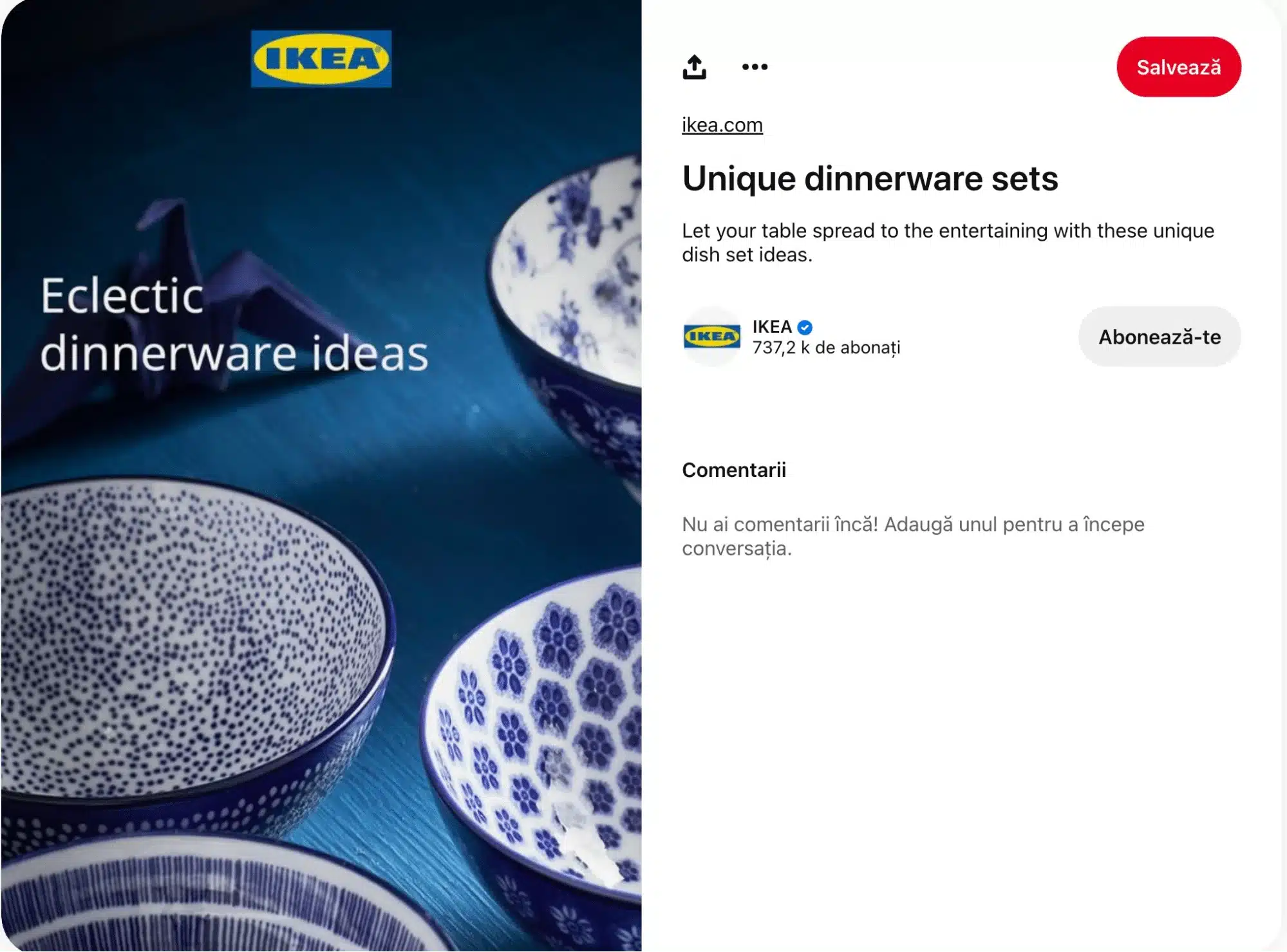
Unlike platforms built around fast scrolling, Pinterest works more like a visual search engine. Taller image and video pins take up more feed space, stay visible longer, and often attract more clicks and saves than landscape image formats.
Most-used Pinterest image sizes
- Pinterest profile image size: 165 x 165 pixels
- Pinterest cover image size: 1920 x 1080 pixels
- Pinterest Pin size: 1000 x 1000 pixels or 1000 x 1500 pixels
- Pinterest collection Pin image size: 1000 x 1000 pixels or 1000 x 1500 pixels
- Pinterest Story Pin image size: 1080 x 1920 pixels
- Pinterest standard image ad size: 1000 x 1500 pixels
- Pinterest carousel pins size: 1080 x 1080 pixels or 1000 x 1500 pixels
- Pinterest Idea ad size: 1080 x 1920 pixels
Pinterest profile image size: 165 x 165 pixels
The recommended Pinterest profile image size is 165 x 165 pixels.
Because Pinterest profile pictures display quite small across boards and search results, simple logos and clean headshots usually work best.
Pinterest image sizes for Pins
Pinterest supports both square image and vertical image formats, but vertical Pins generally perform better.
- Square Pins: 1000 x 1000 pixels with a 1:1 aspect ratio
- Vertical Pins (recommended): 1000 x 1500 pixels with a 2:3 aspect ratio
The 2:3 format gives your content more vertical space in the feed, which helps attract attention before users scroll past it. In my experience, tutorials, infographics, recipes, product collections, and blog post link images usually perform best in this taller format.
Pinterest also applies a 20 MB maximum file size limit for image files.
Pro tip: If you upload images with unusually tall aspect ratios, Pinterest may crop them from the bottom in feed previews. Keep important text and visual elements toward the center of the design.
Pinterest profile cover image size: 1920 x 1080 pixels
The recommended Pinterest cover image size is 1920 x 1080 pixels with a 16:9 aspect ratio.
Since this banner image appears across your profile header, wide photography and simple branding visuals usually work better than detailed graphics or dense text overlays.
Pinterest collection Pin image sizes
Pinterest collection Pins support two primary formats:
- Square collection Pins: 1000 x 1000 pixels
- Vertical collection Pins: 1000 x 1500 pixels
If you use collections for product showcases or visual catalogs, try to keep all supporting images within the same aspect ratio when creating Pins. Consistency creates a cleaner browsing experience and helps the collection feel more polished.
Pinterest Story Pin image size: 1080 x 1920 pixels
Pinterest Story Pins and Idea Pins use a full-screen 1080 x 1920 pixel vertical format with a 9:16 aspect ratio.
These pin dimensions have the same aspect ratio used for Instagram Stories, Facebook Stories, TikTok posts, and vertical video content, which makes it easier to reuse templates across platforms.
Pinterest image sizes for ads
Pinterest ads support several formats depending on campaign goals.
- Standard image ads: 1000 x 1500 pixels
- Standard width video ads: 1080 x 1080 pixels, 720 x 1080 pixels, 864 x 1080 pixels, or 1080 x 1920 pixels
- Max-width video ads: 1080 x 1080 pixels
- Carousel ads: 1080 x 1080 pixels or 1000 x 1500 pixels
- Collection ads: 1080 x 1080 pixels or 1000 x 1500 pixels
- Idea ads: 1080 x 1920 pixels
For carousel image ads and collection ads, use the same aspect ratio across all visuals whenever possible. Mixed image dimensions can create awkward transitions and inconsistent layouts.
Design tips for Pinterest images
- Use vertical images whenever possible because they occupy more feed space and lead to better Pin performance.
- Stick to the 2:3 aspect ratio for most standard Pins.
- Keep important text away from the bottom edge because Pinterest may crop previews.
- Design Pinterest graphics with readable typography since many users browse on mobile devices.
5. X (Twitter) image sizes
The X/Twitter image sizes most people need are 400 x 400 pixels for profile images, 1500 x 500 pixels for header images, and 1600 x 900 pixels for in-stream photos. If you run ads, start with either a 1200 x 1200 pixel square image or a 1200 x 628 pixel landscape image because both formats work well across placements.
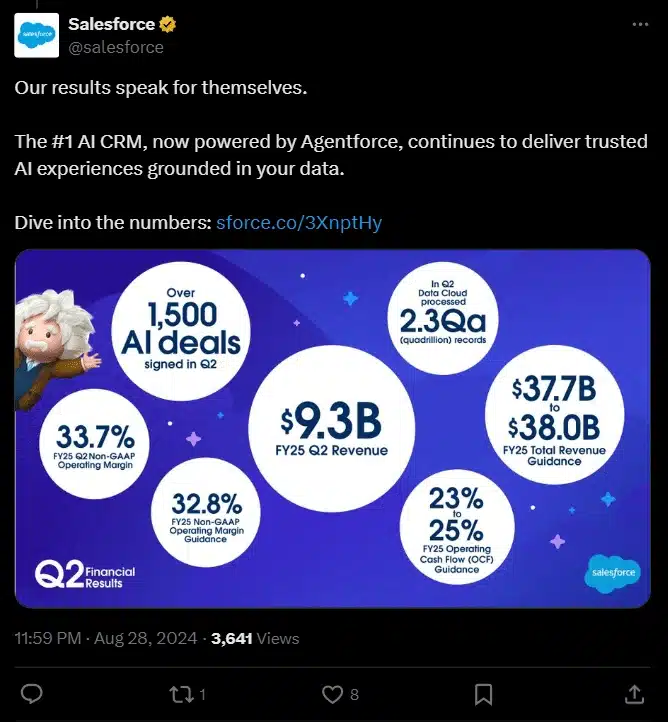
Even though the platform is now called X, many marketers still search for Twitter image sizes, Twitter header photo size recommendations, and Twitter in-stream photo specs. Fortunately, most of the core dimensions remain familiar.
In practice, most teams only need four formats:
- profile images
- header images
- in-stream photos
- one standard ad size
If you’re wondering how many images you can add in one tweet, the answer is up to four images, so longer carousels aren’t meant for this platform.
Most-used X (Twitter) image sizes
- X profile picture size: 400 x 400 pixels
- X header image size: 1500 x 500 pixels
- X card image size: 120 x 120 pixels
- X in-stream image size: 1600 x 900 pixels
- X square image ad size: 1200 x 1200 pixels
- X landscape image ad size: 1200 x 628 pixels
X profile picture size: 400 x 400 pixels
The recommended X profile image size is 400 x 400 pixels, with a minimum size of 200 x 200 pixels.
Because profile pictures appear small across replies, reposts, and search results, simple logos and clean profile photos tend to work best.
X card image size: 120 x 120 pixels
X cards help expand shared links with preview images, titles, and descriptions. The recommended card image size is 120 x 120 pixels.
These previews are especially important for blog post link images and content marketing campaigns because they influence click-through rates directly from the feed.
X header image size: 1500 x 500 pixels
The recommended X header photo size is 1500 x 500 pixels with a 3:1 aspect ratio.
Header images display differently across desktop and mobile devices, so avoid placing important text near the edges. I usually keep logos, headlines, and calls to action closer to the center area to avoid unexpected cropping.
X in-stream image size: 1600 x 900 pixels
The recommended X in-stream image size is 1600 x 900 pixels.
For standard feed content, landscape image formats usually display best. X also supports several aspect ratios depending on device and layout:
- 2:1
- 16:9
- 3:4
- 1:1
If you publish a single image tweet or multi-image posts regularly, square format also works well because it adapts more consistently across mobile layouts.
X image sizes for ads
X supports several image and video ad formats depending on campaign goals.
- Image ads with app buttons: 800 x 418 pixels or 800 x 800 pixels
- Image ads with conversation buttons: 800 x 418 pixels
- Image ads with polls: 800 x 418 pixels or 800 x 800 pixels
- Image ads with website buttons: 800 x 418 pixels or 800 x 800 pixels
- Standalone image ads: 1200 x 1200 pixels or 1200 x 628 pixels
If you only create one ad format, I’d recommend using either:
- a 1200 x 1200 pixel square image, or
- a 1200 x 628 pixel landscape image
Those two formats are the most versatile for cross-platform campaigns.
Design tips for X images
- The maximum file size for images on X (formerly Twitter) is typically 5 MB for JPG and PNG file formats and can go up to 15 MB for animated images (GIF format).
- Compress larger image files to reduce loading times without sacrificing quality.
- Use landscape static image layouts for link previews and shared articles.
- Keep important text centered because header images display differently across devices.
6. YouTube image sizes
The YouTube image sizes most creators and brands need are 800 x 800 pixels for profile photos, 2048 x 1152 pixels for banner images, 1280 x 720 pixels for thumbnails, 1920 x 1080 pixels for standard videos, and 1080 x 1920 pixels for YouTube Shorts.
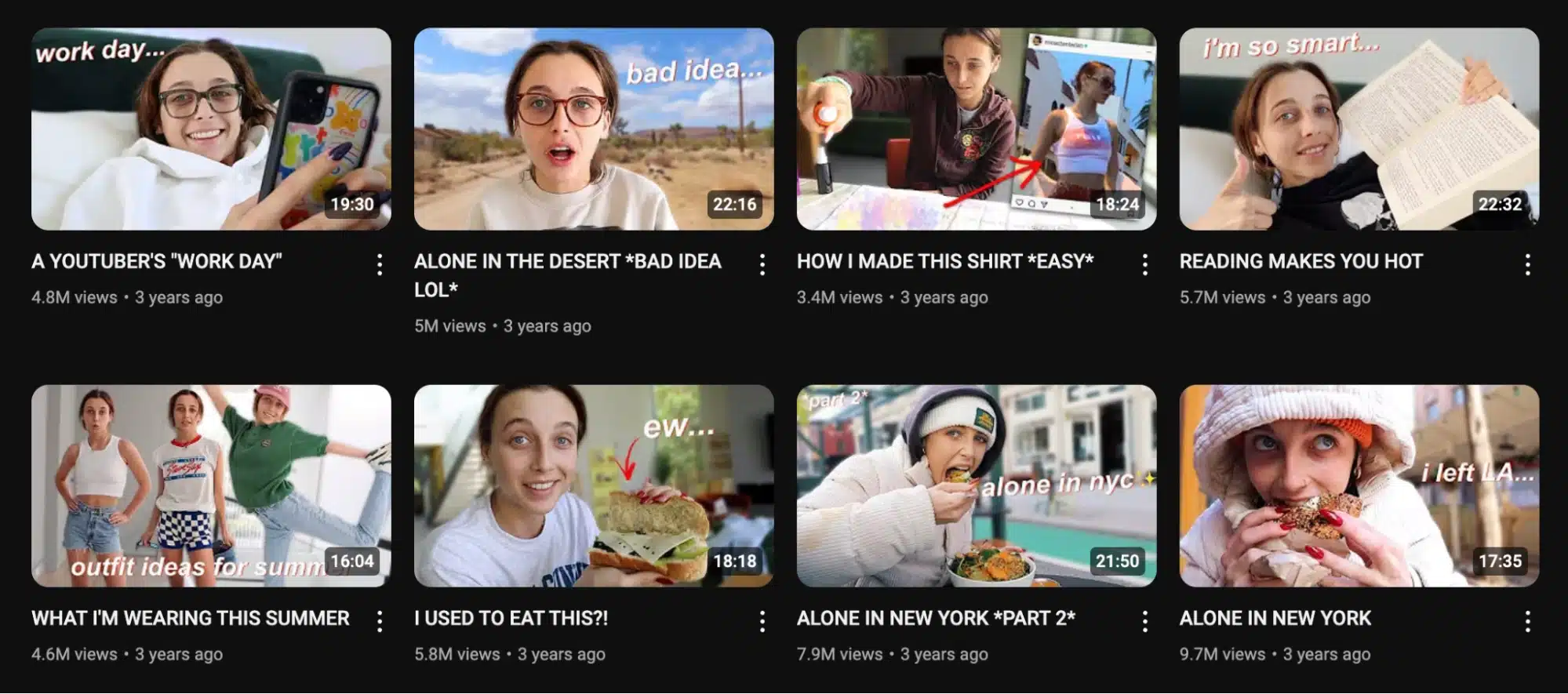
If you only focus on one visual asset for YouTube, make it your thumbnail. In my experience, thumbnail design has a bigger impact on clicks and video performance than most creators realize.
Most-used YouTube image sizes
- YouTube profile photo size: 800 x 800 pixels
- YouTube banner image size: 2048 x 1152 pixels
- YouTube thumbnail image size: 1280 x 720 pixels
- YouTube video size: 1920 x 1080 pixels
- YouTube Shorts size: 1080 x 1920 pixels
- YouTube Stories size: 1080 x 1920 pixels
YouTube profile photo size: 800 x 800 pixels
The recommended YouTube profile image size is 800 x 800 pixels.
Even though the display size appears much smaller across the platform, uploading a higher-resolution profile image helps maintain quality across different devices and layouts.
Use a centered focal point because YouTube crops profile photos into a circular format.
YouTube banner image size: 2048 x 1152 pixels
The recommended YouTube banner image size is 2048 x 1152 pixels with a 16:9 aspect ratio.
Banner images display differently across TVs, desktops, tablets, and mobile devices, so keep important text and branding elements near the center safe zone.
The maximum file size for YouTube banner images is 6 MB.
YouTube thumbnail image size: 1280 x 720 pixels
The recommended YouTube thumbnail image size is 1280 x 720 pixels with a 16:9 aspect ratio.
Thumbnails are one of the most important parts of YouTube visual content because they directly affect click-through rates. Strong thumbnails usually include:
- large readable text
- high contrast
- clear facial expressions or focal points
- minimal clutter
I’ve also found that simple thumbnail designs often outperform overly busy graphics, especially on mobile.
YouTube video size: 1920 x 1080 pixels
The recommended YouTube video size is 1920 x 1080 pixels, although the minimum recommended size is 1280 x 720 pixels.
Both formats use a 16:9 aspect ratio, which remains the standard for landscape video content on YouTube.
If you create educational videos, interviews, tutorials, webinars, or podcasts, this widescreen format will usually work best.
YouTube Shorts size: 1080 x 1920 pixels
YouTube Shorts should use a 1080 x 1920 pixel vertical format with a 9:16 aspect ratio.
This is the same aspect ratio used for TikTok videos, Instagram Reels, Facebook Stories, and other full screen mobile formats. Because of that, many brands now build reusable vertical video templates that work across several social media platforms.
YouTube Stories size: 1080 x 1920 pixels
YouTube Stories also use the 1080 x 1920 pixel vertical format.
Since Stories appear primarily on mobile devices, vertically oriented images and videos usually perform best.
YouTube image sizes for ads
If you run YouTube ads, these are the most common formats:
- YouTube in-stream ad size: 1920 x 1080 pixels
- YouTube in-feed ad size: 1280 x 720 pixels
- YouTube bumper ad size: 1920 x 1080 pixels
- YouTube display ad size: 300 x 60 pixels
- YouTube overlay ad size: 468 x 60 pixels or 728 x 90 pixels
Most businesses won’t need every ad format. In practice, standard video ads and thumbnail visuals matter far more than niche display placements.
Design tips for YouTube images
- Use 1280 x 720 pixels as your default custom thumbnail size.
- Keep thumbnail text large and readable on mobile devices.
- Design banner images with centered safe zones to avoid cropping across screens.
- Use 1080 x 1920 pixels for Shorts and other vertical video content.
- Export higher-quality photo and video files before uploading to avoid compression issues.
7. TikTok image sizes
The TikTok app image sizes that matter most are 1080 x 1920 pixels for Stories and full-screen vertical content, plus 1080 x 1920 pixels for cover images and thumbnails. If you only optimize one format for TikTok, make it the standard 9:16 vertical layout because that’s how most content appears in the feed. Images should match TikTok video dimensions since they show up in the same vertical feed.
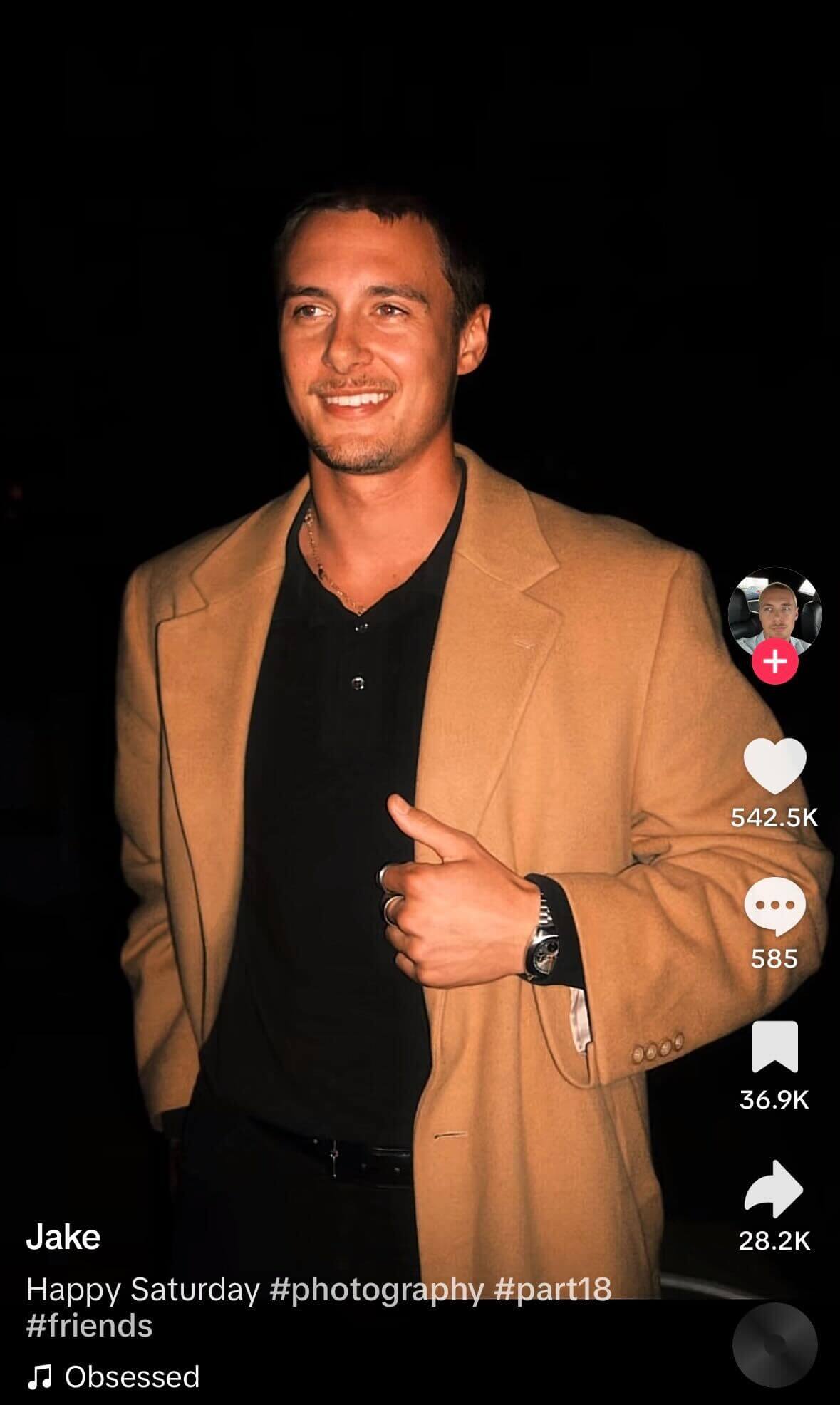
Unlike platforms that still support several feed layouts, TikTok is built almost entirely around vertical video. Content that doesn’t match the full-screen format usually feels out of place and takes up less visual space on mobile devices.
Most-used TikTok image sizes
- TikTok profile picture size: 200 x 200 pixels
- TikTok video size: 1080 x 1920 pixels
- TikTok Stories image size: 1080 x 1920 pixels
- TikTok cover image size: 1080 x 1920 pixels
- TikTok carousel image size: 1080 x 1920 pixels
- TikTok ad size: 1080 x 1920 pixels
TikTok profile picture size: 200 x 200 pixels
The recommended TikTok profile image size is 200 x 200 pixels.
Since profile pictures display quite small across comments and feeds, simple branding and centered profile photos usually work best. Avoid detailed logos with tiny text because they can become difficult to read on mobile.
TikTok video size: 1080 x 1920 pixels
The recommended TikTok video size is 1080 x 1920 pixels with a 9:16 aspect ratio.
This vertically oriented format fills the entire screen and creates the most immersive viewing experience. TikTok also supports landscape image and square image formats, but vertical video almost always performs better because it matches how users naturally hold their phones.
If you already create Instagram Stories or Reels, you can usually adapt the same 1080 x 1920 px templates for TikTok with minimal changes.
TikTok Stories image size: 1080 x 1920 pixels
TikTok Stories use the same 1080 x 1920 pixel full-screen format as Stories on Instagram and Facebook.
Keep important text away from the bottom edge of the screen because captions, buttons, and interface elements can overlap your visuals.
TikTok cover image size: 1080 x 1920 pixels
TikTok cover images and custom thumbnails should also use 1080 x 1920 pixels.
Even though videos autoplay in the feed, cover images still matter because they shape how your profile grid looks. I usually recommend using bold text overlays and clear focal points so viewers instantly understand the topic of the video.
TikTok carousel image size: 1080 x 1920 pixels
TikTok photo carousel posts work best at 1080 x 1920 pixels with a 9:16 aspect ratio.
Using the same aspect ratio across all slides creates smoother transitions and prevents awkward cropping between images. Portrait-oriented images also feel more native to TikTok’s mobile-first layout.
TikTok ad size: 1080 x 1920 pixels
Most TikTok ads use a 1080 x 1920 pixel vertical format with a 9:16 aspect ratio.
Because TikTok ads appear directly in the feed, the best-performing creatives usually feel similar to regular user-generated content instead of polished traditional ads. In my experience, simpler edits, larger captions, and tighter framing often outperform heavily branded designs.
Design tips for TikTok images and videos
- Use vertical video formats whenever possible for full-screen visibility.
- Keep important text away from the top and bottom edges of the screen.
- Use high-contrast captions because many users watch videos without sound initially.
- Design custom thumbnails carefully because they shape your profile appearance.
- Reuse 1080 x 1920 pixel templates across TikTok, Instagram Stories, Facebook Stories, and Reels to simplify content production.
8. Threads image sizes
The Threads post image size most creators and brands should use is 1080 x 1350 pixels for feed posts and 1080 x 1920 pixels for vertical content like Stories-style visuals. Since Threads is closely connected to Instagram, many of the same image dimensions and aspect ratio rules apply across both platforms.
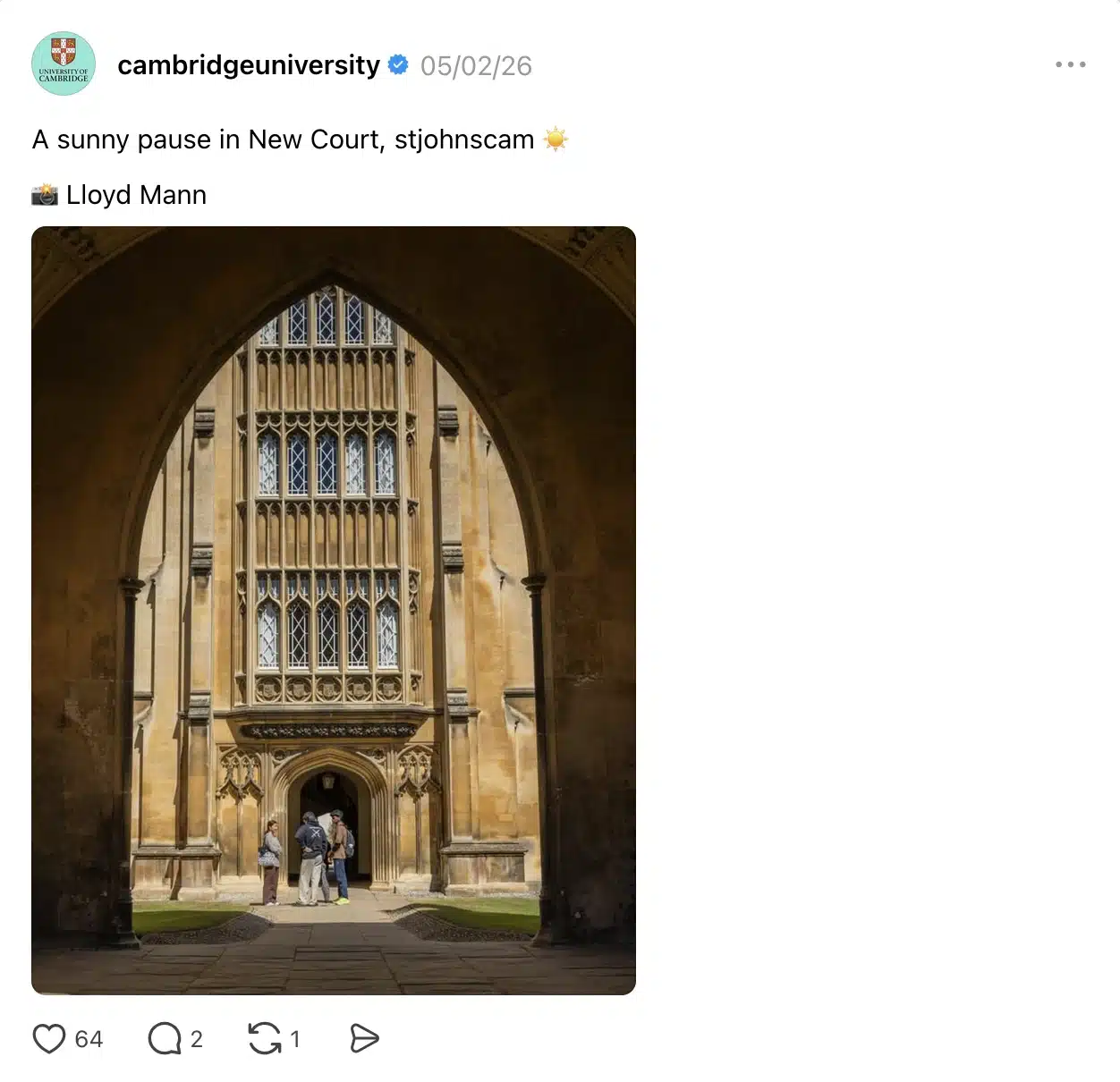
If you already create Instagram content, you can usually reuse the same visual assets for Threads with minimal adjustments. In practice, portrait posts tend to perform best because they take up more vertical space in the feed.
Most-used Threads image sizes
- Threads profile picture size: 320 x 320 pixels
- Threads post image size: 1080 x 1350 pixels
- Threads square image size: 1080 x 1080 pixels
- Threads landscape image size: 1080 x 566 pixels
- Threads vertical image size: 1080 x 1920 pixels
Threads profile picture size: 320 x 320 pixels
The recommended Threads profile image size is 320 x 320 pixels.
Since Threads uses your Instagram account and branding, your profile image will usually carry over automatically. Simple logos, centered profile photos, and clean visuals work best because profile pictures display small throughout the feed.
Threads post image size: 1080 x 1350 pixels
The recommended Threads post image size is 1080 x 1350 pixels with a 4:5 aspect ratio.
This portrait format works especially well because it occupies more feed space on mobile devices before users scroll past your content. In my experience, educational graphics, quotes, product visuals, and text-based posts all benefit from the extra vertical space.
Threads square image size: 1080 x 1080 pixels
Threads also supports square image posts at 1080 x 1080 pixels.
Square images are useful when you want one visual format that can easily transfer between Instagram, Facebook, LinkedIn, Pinterest, and X without major cropping adjustments.
Threads landscape image size: 1080 x 566 pixels
The recommended Threads landscape image size is 1080 x 566 pixels with a 1.91:1 aspect ratio.
Landscape images work best for:
- Blog post link images
- Screenshots
- Presentation previews
- Shared articles
- Wider photography
However, portrait-oriented images usually attract more attention in the mobile feed.
Threads vertical image size: 1080 x 1920 pixels
For vertically oriented images and full-screen content, use 1080 x 1920 pixels with a 9:16 aspect ratio.
This format works well for:
- Visual storytelling
- Reposted Stories content
- Vertical video previews
- Mobile-first campaign assets
Because Threads, Instagram Stories, Facebook Stories, and TikTok all use similar dimensions, many brands now create reusable 1080 x 1920 px templates for cross-platform campaigns.
Design tips for Threads images
- Use portrait-oriented images whenever possible for better feed visibility.
- Keep text centered because mobile cropping can affect previews.
- Use the same aspect ratio across carousel image posts for cleaner transitions.
- Reuse Instagram post sizes for Threads to simplify content production.
- Export higher-quality photo assets before uploading because compression can soften smaller text and graphics.
9. Bluesky image sizes
The Bluesky image sizes most people need are 400 x 400 pixels for profile images, 1500 x 500 pixels for banner images, and 1200 x 675 pixels for feed posts and shared visuals. Since Bluesky has a clean, text-focused layout similar to early Twitter/X, simple visuals and other key creative elements usually perform best.

In practice, Bluesky doesn’t require as many specialized media formats as platforms like Instagram or Pinterest. Most Bluesky users only need a profile image, a header image, and one reliable post image format.
Most-used Bluesky image sizes
- Bluesky profile picture size: 400 x 400 pixels
- Bluesky banner image size: 1500 x 500 pixels
- Bluesky post image size: 1200 x 675 pixels
- Bluesky vertical image size: 1080 x 1350 pixels
- Bluesky full-screen image size: 1080 x 1920 pixels
Bluesky profile picture size: 400 x 400 pixels
The recommended Bluesky profile image size is 400 x 400 pixels.
Like most social media platforms, Bluesky crops profile photos into a circular format. Centered profile photos and simple logos usually display best across feeds and replies.
Bluesky banner image size: 1500 x 500 pixels
The recommended Bluesky header photo size is 1500 x 500 pixels with a wide landscape aspect ratio.
Because banner images display differently across desktop and mobile layouts, keep important text and branding closer to the center safe zone.
Bluesky post image size: 1200 x 675 pixels
The recommended Bluesky post image size is 1200 x 675 pixels, which follows a 16:9 landscape image format.
This layout works especially well for:
- Blog post link images
- Screenshots
- Shared articles
- Announcements
- Presentation graphics
If you want maximum compatibility between Bluesky, LinkedIn, and X, this is usually the safest default image size to use.
Bluesky vertical image size: 1080 x 1350 pixels
Bluesky also supports vertically oriented images at 1080 x 1350 pixels with a 4:5 aspect ratio.
Portrait images take up more feed space on mobile devices, which can help visual content stand out more naturally while people scroll.
Bluesky full-screen image size: 1080 x 1920 pixels
For mobile-first visuals, Stories-style assets, or vertical video previews, use 1080 x 1920 pixels with a 9:16 aspect ratio.
This is the same aspect ratio used across TikTok, Instagram Stories, Facebook Stories, and YouTube Shorts, making it easy to reuse templates across platforms.
Design tips for Bluesky images
- Use simple visuals with clear focal points because Bluesky feeds move quickly.
- Keep text large and readable on mobile devices.
- Use landscape image formats for blog post link images and shared articles.
- Use portrait-oriented images when you want more feed visibility.
10. Google Business Profile image sizes
The Google Business Profile (formerly Google My Business) image sizes most local businesses need are 720 x 720 pixels for logos and profile images, 1024 x 576 pixels for cover photos, and at least 1280 x 720 pixels for video posts. Minimum resolution for Google Business images is 250 x 250 pixels to avoid a bad image quality.
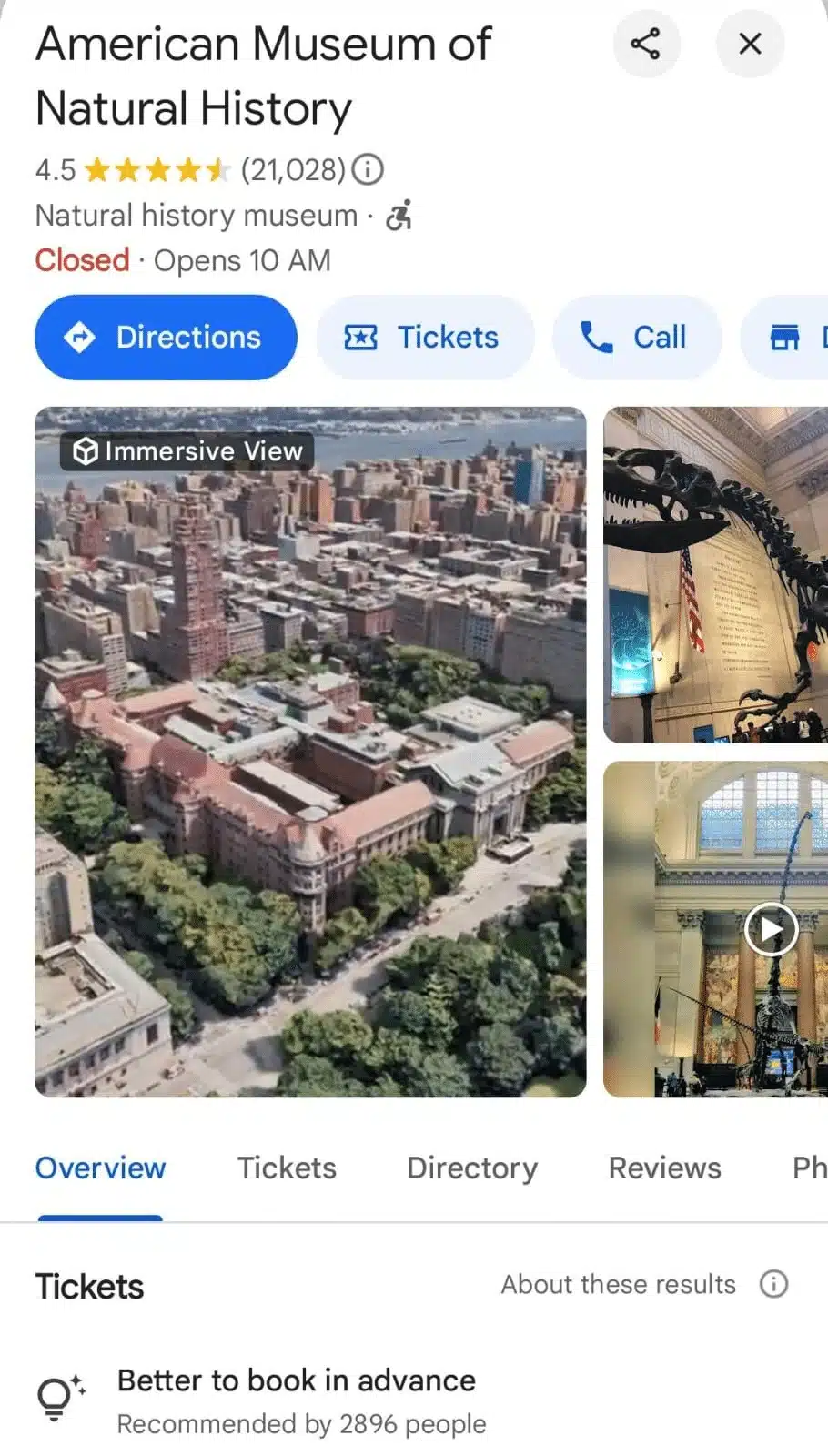
Google Business Profile photos matter more than many businesses realize. Your images often create the first impression people see directly in Google Maps and Search, which means they can influence clicks, calls, bookings, and store visits before someone even reaches your website.
Keeping your profile active with updated business photos and posts can also help improve local visibility over time.
Most-used Google Business Profile image sizes
- Google Business Profile logo image size: 720 x 720 pixels
- Google Business Profile cover photo size: 1024 x 576 pixels
- Google Business post image size: 720 x 720 pixels
- Google Business Profile video post size: 1280 x 720 pixels minimum
Google Business Profile logo image size: 720 x 720 pixels
The recommended Google Business Profile logo image size is 720 x 720 pixels.
PNG files usually work best for logos because they preserve sharp edges and cleaner text rendering. The maximum file size for logo uploads is 5 MB.
Since your profile image appears throughout Google Search and Maps results, use a clean, recognizable logo with enough spacing around the edges.
Google Business Profile cover photo size: 1024 x 576 pixels
The recommended Google Business Profile cover image size is 1024 x 576 pixels.
Your cover photo helps represent your business visually before customers even visit your site or storefront. High-quality images usually perform better here than graphic-heavy banner images.
I recommend choosing a cover image that clearly shows:
- Your storefront
- Products
- Team
- Workspace
- Atmosphere
- Services in action
Google Business Profile image post size: 720 x 720 pixels
The recommended Google Business posts size is 720 x 720 pixels, although the minimum image size is 250 x 250 pixels.
Square image formats work especially well because they display consistently across desktop and mobile search results.
However, Google also displays customer uploaded photos, so it’s a bit more difficult to ensure all the images from your profile are in the right dimensions. Therefore it’s especially important that the first image, which is added by your business, looks good and represents the brand.
Google Business Profile video post size: 1280 x 720 pixels
For Google Business Profile video posts, use at least 1280 x 720 pixels with HD quality.
Additional recommendations:
- Maximum video length: 30 seconds
- Maximum file size: 75 MB
Short videos showing your business, products, location, or services can help make your listing feel more active and trustworthy.
Design tips for Google Business Profile images
- Use higher-quality photo assets because Google prominently displays visuals in search results.
- Compress large image files to improve loading speed without sacrificing clarity.
- Test how your cover image and profile image appear across desktop and mobile devices.
- Use real business photography whenever possible instead of generic stock images.
- Keep your profile updated regularly because fresh visual content helps keep listings active.
Manage social media images more efficiently with SocialBee
Once you know the right social media image sizes, the next challenge is keeping your visual content organized across multiple platforms. That usually means adapting different aspect ratios, scheduling posts, and tracking performance without constantly switching between tools.
SocialBee helps simplify that workflow by letting you:
- Schedule visual content across Instagram, Facebook, LinkedIn, X, TikTok, Pinterest, Threads, Bluesky, and Google Business Profile
- Create platform-specific post variations for different image dimensions and formats
- Import designs directly from Canva
- Organize and schedule posts from one content calendar
- Track post performance to see which visuals generate the most engagement
Instead of rebuilding assets for every platform manually, you can keep your content creation, scheduling, and publishing process in one place.
Frequently asked questions
1. What are the most common social media image sizes?
The most commonly used social media image sizes are 1080 x 1080 pixels for square posts, 1080 x 1350 pixels for Instagram and Threads portrait posts, 1200 x 628 pixels for Facebook, LinkedIn, and X link images, and 1080 x 1920 pixels for Stories, Reels, Shorts, and TikTok content. These formats cover the majority of modern social media publishing needs.
2. What is the best aspect ratio for social media posts?
The best aspect ratio depends on the platform and content type, but 4:5 and 9:16 formats tend to perform best on mobile-first platforms because they occupy more screen space. Landscape formats like 16:9 still work well for YouTube, LinkedIn, and blog post previews, while square images remain useful for flexible cross-platform publishing.
3. How do I resize images for all social media platforms quickly?
The easiest way to resize images for multiple social media platforms is to create reusable templates for your most-used aspect ratios instead of designing every post from scratch. Many social media managers also use scheduling tools like SocialBee to create platform-specific post variations and manage content across several platforms from one place.
Get your social media image sizes right and start posting
The real goal isn’t memorizing dozens of image dimensions. It’s building a simple system so your visuals look right everywhere you publish. Once you recognize the aspect ratios that show up repeatedly across platforms, creating cross-platform content becomes much easier and far less time-consuming.
In practice, most brands can simplify content creation by focusing on a handful of core formats: square images for flexible feed posts, 4:5 portrait layouts for Instagram and Threads, 16:9 landscape images for YouTube and LinkedIn, and 9:16 vertical formats for Stories, Reels, Shorts, and TikTok.
Once you have those foundations in place, the next step is keeping your content organized across platforms without constantly resizing files, rewriting captions, or switching between tools.
That’s where SocialBee can help. You can create platform-specific post variations, organize your visual content, schedule posts across multiple social media platforms, and manage everything from one place. It also makes it easier to track which visuals and formats perform best, so your content strategy improves over time instead of becoming harder to manage.
Start your 14-day SocialBee free trial and simplify the way you create and publish social media content.