

Facebook Stories are one of the best ways to capture attention when you have something timely to share that doesn’t belong on your permanent feed. While regular posts compete for space in the News Feed, Stories appear at the top of the Facebook app, making them an easy way to stay visible throughout the day.
The format isn’t going away anytime soon. Meta reports that more than 500 million people use Stories every day across Facebook, Messenger, Instagram, and WhatsApp, with over one billion Stories shared daily across its family of apps.
In this guide, you’ll learn what Facebook Stories are, how they differ from other Facebook formats, how to create, publish, and schedule them, what to post, how often to publish, how to track their performance, and how tools like SocialBee can simplify your entire Facebook marketing strategy.

What are Facebook Stories?
Facebook Stories are full-screen, vertical posts that let you share photos, videos, text, music, stickers, and links that disappear after 24 hours. If you want, you can save them to your Story Archive, so they’re only visible to you, or feature them on your Facebook Page for people to view long after they’ve expired.
Unlike a regular post in the News Feed, a Story feels much more immediate. You can capture something with Facebook’s in-app camera or upload something from your gallery, add fun filters, stickers, music, or text, and publish it in seconds. People can react to it or send you a direct message, which lands in Facebook Messenger and gives you an easy way to continue the conversation.
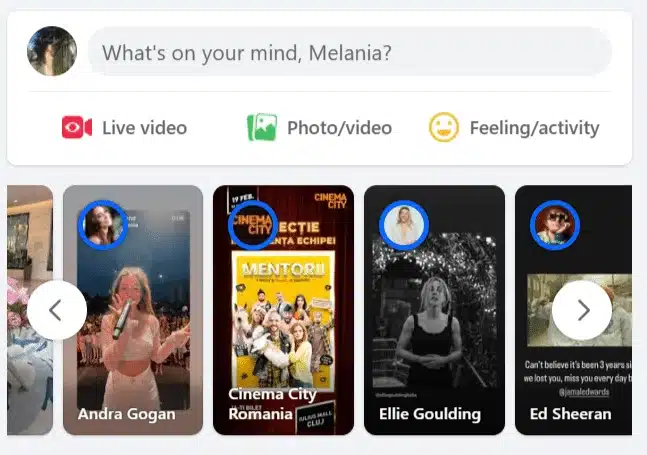
You’ll find Stories at the top of the Facebook app, marked by a blue ring around a person’s profile picture until you’ve watched them. You can tap through individual photos and videos, skip to the next Story, or swipe away at any time. While you can view Stories on desktop, you’ll get the full set of creative tools when using one of Facebook’s mobile apps.
Facebook Story size and specifications
Before you create a Facebook Story, it’s worth making sure your images and videos match Meta’s recommended specifications. The right size helps your content fill the screen properly, prevents important text from getting cut off, and keeps your visuals looking sharp on every device.
|
Specification |
Facebook Stories |
|
Recommended aspect ratio |
9:16 (supports 9:16 to 1.91:1) |
|
Recommended dimensions |
1080 × 1920 pixels |
|
Image formats |
JPG, PNG |
|
Maximum image size |
30 MB |
|
Facebook Story video formats |
MP4, MOV |
|
Maximum video size |
4 GB |
|
Video length |
1-120 seconds per Story card |
|
Minimum video width |
500 pixels |
|
Story duration |
24 hours (unless archived or featured) |
|
Story visibility |
Public, Friends, Custom, or a selected audience, depending on your privacy settings |
|
Safe zone |
Keep text, logos, and CTAs away from the top and bottom of the screen to avoid Facebook’s interface covering them. |
Although Facebook accepts several aspect ratios, I recommend creating every Story at 1080 × 1920 pixels (9:16). This fills the entire screen, avoids awkward cropping, and gives your photos and videos the best chance of looking professional.
If you’re adding text, stickers, or a call to action, leave some space around the top and bottom of the screen. That’s where Facebook places your profile information, buttons, and reply field.
How long do Facebook Stories last?
Facebook Stories remain visible for 24 hours after you publish them, after which they expire and disappear from your account.
If your Story includes a video, each Story card can be up to 1 minute long for regular mobile uploads, or 2 minutes long for Meta ads. Longer videos will automatically be split into multiple 15 second Story cards, allowing viewers to watch the full video as a sequence without you having to edit it manually.
How to see old Facebook Stories
Once a Facebook Story expires after 24 hours, it disappears from your profile or Page. However, if Story Archive is turned on, Facebook automatically saves your Stories so you can view them later.
- Open the Facebook app.
- Tap your profile picture.
- Tap the three-dot menu (•••) below your profile.
- Select Archive.
- Open Story Archive to browse your previous Stories.
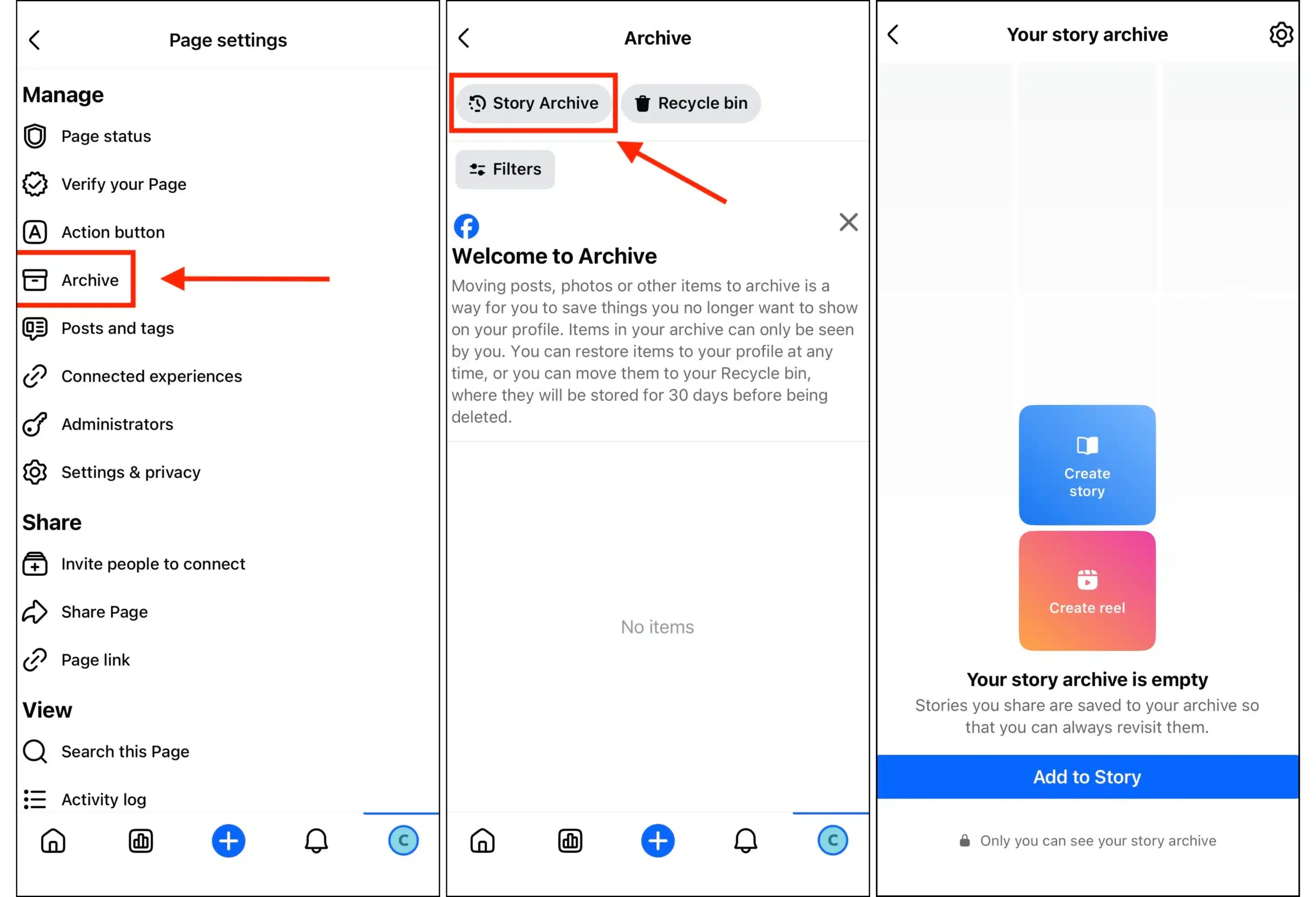
From your Story Archive, you can revisit old Stories, share them again, or delete them if you no longer want to keep them.
If you’re managing a Facebook Page, you can access previously published Stories through your Page’s professional tools or Meta Business Suite, depending on how your Page is set up. From there, you can review past Stories and their performance metrics, including views and engagement.
How to add Facebook Story Highlights
Facebook Story Highlights let you keep your favorite Stories on your profile after their 24-hour lifespan ends. They’re a great way to showcase evergreen content like product collections, customer testimonials, travel memories, or frequently asked questions so visitors can access them anytime.
Before you can create a Highlight, make sure Story Archive is enabled. Highlights are created from your archived Stories, so Stories that weren’t archived can’t be added later.
Here’s how to create a Story Highlight:
- Open the Facebook app and go to your profile.
- Scroll down to the Story Highlights section.
- Tap New or the + icon.
- Select the archived Stories you want to include.
- Choose a cover photo and give your Highlight a name.
- Tap Done or Create.
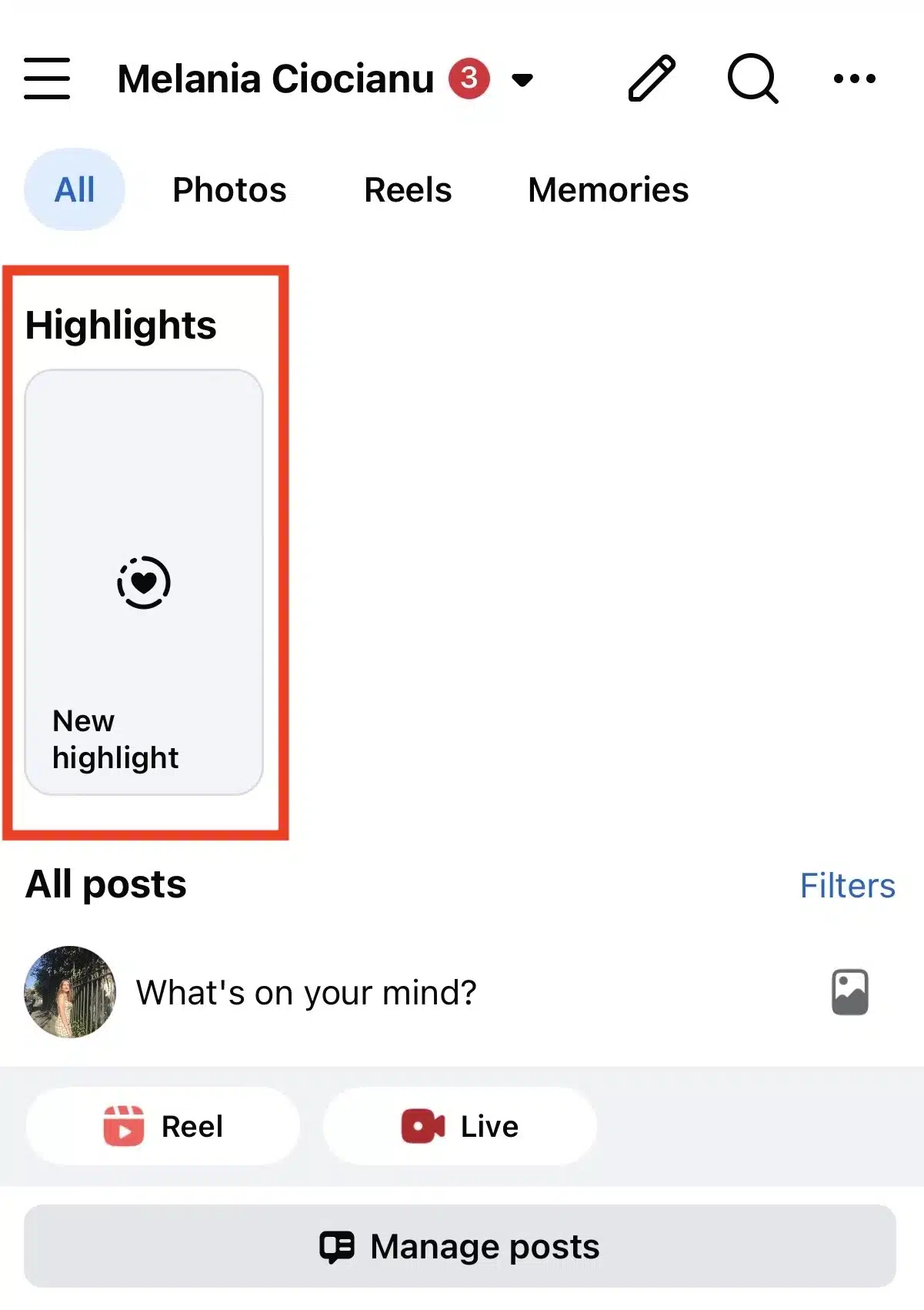
Your Highlight will now appear on your profile below your bio, where visitors can view it at any time until you remove it. You can also edit existing Highlights later to add more Stories, change the cover image, rename them, or delete them entirely.
Facebook Stories for personal profiles vs. Facebook Pages
Whether you post from your personal profile or your Facebook Page, the Story creation process is almost the same. You can upload photos and videos, add music, stickers, text, and other creative elements, and your Story disappears after 24 hours unless you save it to your archive. The biggest differences are who the content is meant for and how you manage it.
|
Personal profile |
Facebook Page |
|
Designed for sharing with friends and family |
Designed for customers, followers, and your audience |
|
Story visibility depends on your privacy settings |
Page Stories are public by default |
|
Replies arrive in Facebook Messenger |
Replies can be managed as your Page through Messenger or Meta Business Suite |
|
Basic Story information |
Access to Story Insights, including reach, views, replies, and other engagement metrics |
|
Managed by one account |
Multiple Page admins or editors can create and manage Stories with the appropriate permissions |
For most businesses, a Facebook Page Story is the better choice. Besides making your Stories visible to anyone who follows your Page, it gives you access to performance insights so you can see what keeps people watching and where they’re dropping off. If you work with a team, you can also give other people permission to publish content and manage messages without sharing your personal account.
Facebook Stories vs. feed posts vs. Reels
Facebook gives you several ways to publish content, and each format serves a different purpose. Choosing the right one depends on what you’re trying to achieve.
|
Format |
Best for |
Lifespan |
Discovery |
Typical use |
|
Stories |
Timely updates and conversations |
24 hours |
Mostly existing audience |
Limited-time offers, reminders, behind-the-scenes content, polls, quick updates |
|
Feed posts |
Evergreen content |
Permanent |
Followers and recommended content |
Announcements, educational content, links, company news |
|
Reels |
Reaching new audiences |
Permanent |
Highest discovery potential |
Tutorials, entertaining videos, product demos, brand awareness |
If your goal is to keep your existing audience engaged, Stories are usually the best choice. Because they sit at the top of the Facebook app, they’re hard to miss and encourage quick interactions. According to Adam Mosseri, Instagram CEO, “People are sharing to feeds less, but to stories more and (even photos and videos) in messages even more still.”
If you want your content to keep generating engagement for weeks or months, publish a feed post instead. Posts are easier to find later, support longer captions, and work well for content you want people to revisit.
When your priority is reaching people who don’t already follow you, create a Reel. Facebook recommends Reels more aggressively than Stories, making them one of the strongest formats for expanding your reach.
In practice, the strongest Facebook marketing strategy uses all three together. You might publish a Reel to attract new viewers, create a feed post with the full announcement, and then use a Story to remind your followers before an event, sale, or deadline.
Facebook Story features you should know about
One of the reasons Facebook Stories are so versatile is that Meta includes a range of creative and interactive tools that let you customize your Stories, encourage engagement, and drive specific actions.
Here’s a closer look at the features worth using.
Customize your Stories with stickers, music, and creative tools
After uploading a photo or video, Facebook lets you edit it before publishing. Most of these features are available through the Stickers menu or the editing toolbar in the Facebook app.
Some of the most useful options include:
- Music: Add a song from Facebook’s music library and choose the exact clip you want to play. For eligible tracks, you can even display synchronized lyrics or choose different sticker styles featuring the song title and artist. Keep in mind that music availability varies by region and licensing agreements.
- GIFs: Search GIPHY’s library to add animated stickers that emphasize important information or simply make your Story feel more dynamic.
- Text: Add headlines, captions, or context using different fonts, colors, and styles. This is especially useful if you’re creating Stories that need to be understood without sound.
- Drawing tools and effects: Draw directly on your Story or apply camera filters and effects before publishing. These work well for highlighting products, circling important details, or adding a more casual feel to behind-the-scenes content.
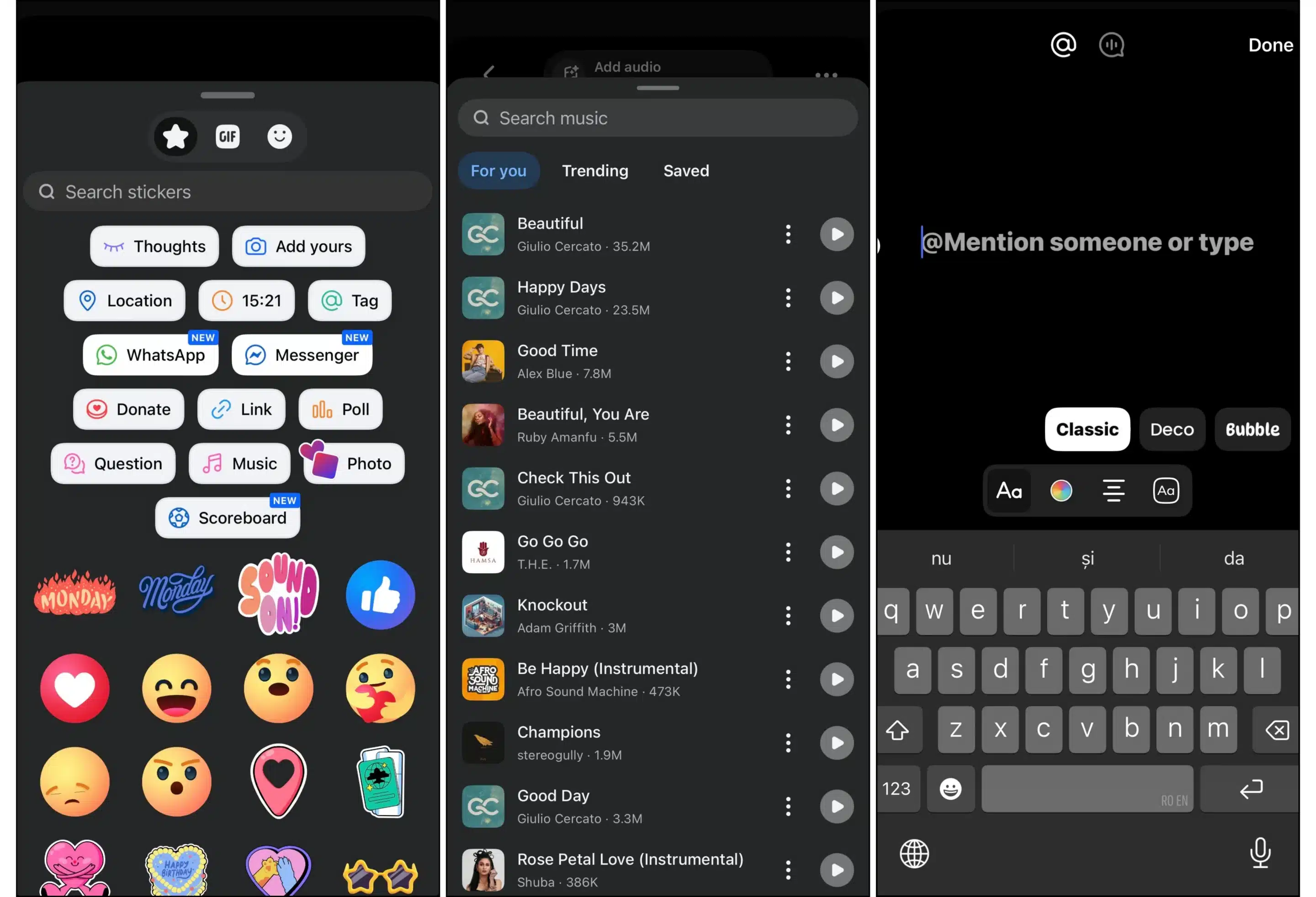
Most stickers can be resized, rotated, moved around the screen, or restyled with a tap, giving you flexibility without needing a separate design app.
Use interactive stickers to encourage participation
Not every Story has to be a one-way update. Facebook includes several interactive stickers that encourage people to engage with your content instead of simply tapping past it.
One of the most useful is the Poll sticker. It lets you ask a question, customize both answer options, and watch the results come in as people vote. When you open your Story, you can see not only the total number of votes but also how each person responded.
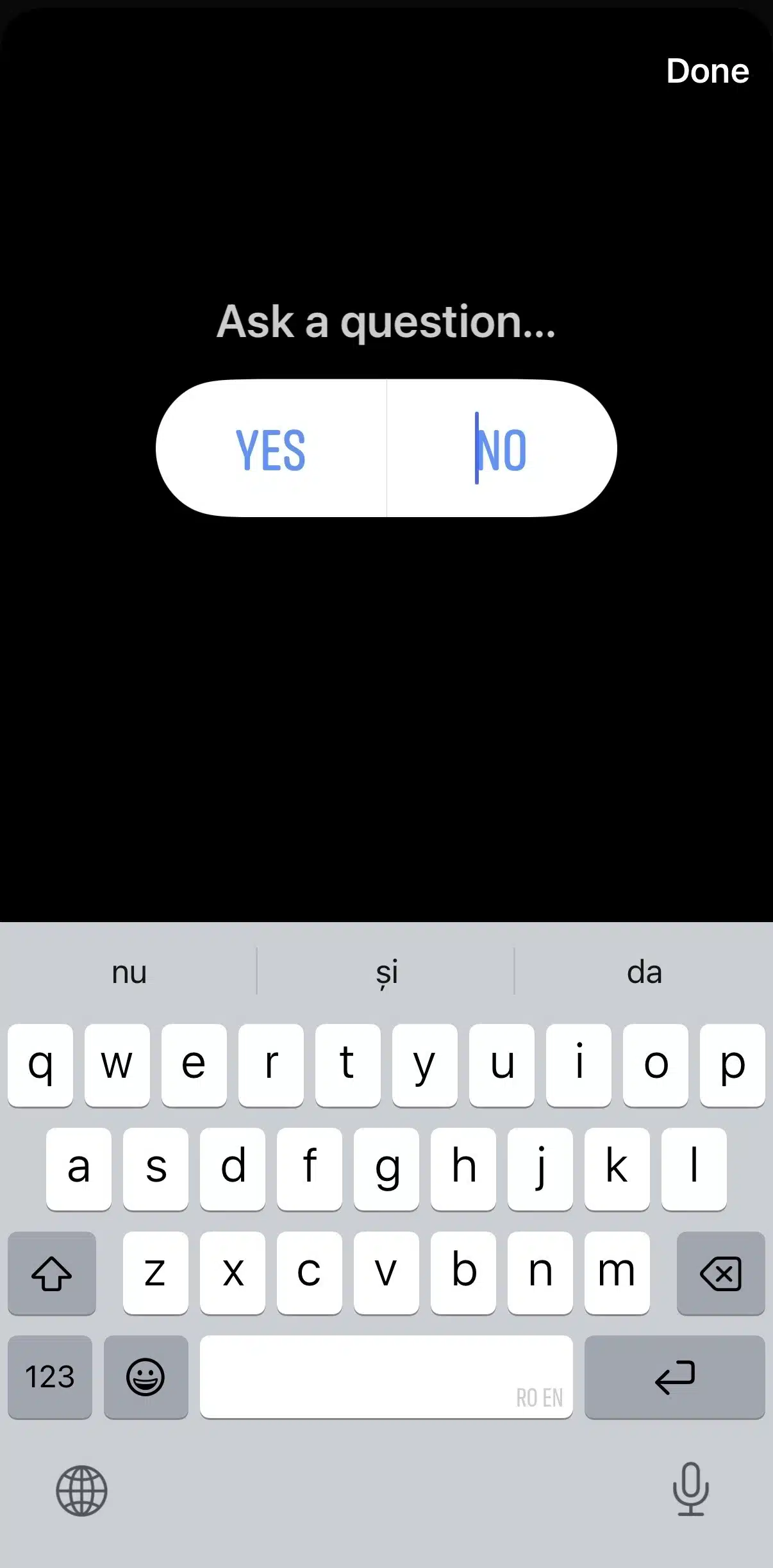
Depending on your account and region, you may also see stickers for:
- Locations
- Feelings or activities
- GIFs
- Music
- Mentions
These work particularly well when you’re announcing a new product, gathering customer feedback, covering an event, or encouraging followers to participate in a conversation rather than passively consuming your content.
Mention people, add locations, and share links
Facebook Stories also make it easy to connect your content with people, places, and external resources.
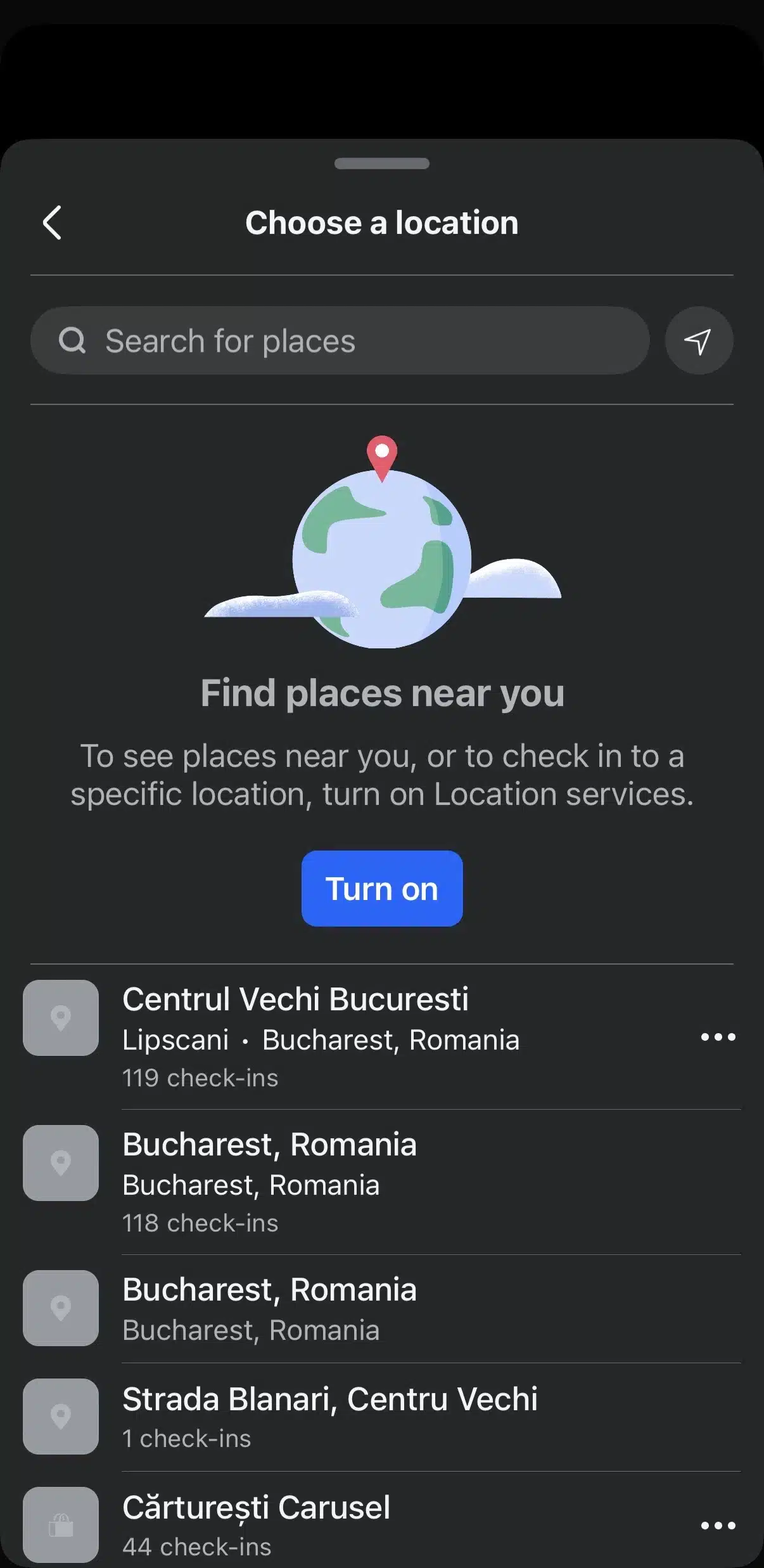
If you’re collaborating with another business, featuring a customer, or attending an event, you can mention another account directly in your Story. You can also add a location sticker, making it easier to provide context for local businesses, conferences, or in-person events. Both options are available through the Stickers menu.
You can also add links to Stories, making them useful for driving traffic to:
- Product pages
- Blog posts
- Event registration pages
- Landing pages
- Newsletter sign-up forms
Rather than simply adding a link, give viewers a reason to tap. A clear benefit, such as Read the full guide, Claim today’s discount, or Register before spots fill up, is usually much more effective than a generic “Learn more.”
See how people interact with your Stories
One of the biggest advantages of Stories is that they provide immediate feedback about how people engage with your content.
Depending on your account type, you can see metrics such as:
- Reach
- Views
- Replies
- Poll responses
- Link clicks
- Navigation actions, including taps forward, taps back, and exits
These metrics tell a much richer story than total views alone. For example, lots of replies may indicate that your topic resonated with your audience, while frequent exits after the first frame often suggest your opening wasn’t compelling enough.
Looking at these engagement signals regularly makes it much easier to refine future Stories and understand what your audience actually enjoys.
The benefits of posting Facebook Stories as a brand
Facebook Stories aren’t just another place to publish content. They fill a gap that feed posts and Reels don’t. They’re designed for timely, casual updates that keep your business visible between larger content pieces.
Here are five reasons I recommend making Stories part of your Facebook marketing strategy.
1. Reach followers outside the main feed
Publishing a feed post doesn’t guarantee your followers will see it. The News Feed moves quickly, and your content competes with updates from friends, groups, Pages, and recommended posts.
Stories appear in their own row at the top of the Facebook app, making them much harder to miss. While Facebook still decides the order based on how people interact with different accounts, Stories stay visible for 24 hours, giving followers more opportunities to see them.
You can also share a feed post to your Story. It’s an easy way to give important announcements, blog posts, or product launches a second chance to get noticed.
2. Share timely updates without crowding your feed
Not every update deserves a permanent place on your Page.
If you’re promoting a weekend sale, reminding people about tomorrow’s webinar, or showing preparations for an event, Stories let you publish as often as you need without overwhelming your followers with multiple feed posts.
Because they disappear after 24 hours, they work well for content that’s only relevant for a short time.
3. Make your brand feel more human
Stories don’t need to look like polished advertisements.
In fact, people often expect them to be a little more spontaneous. That’s what makes them perfect for behind-the-scenes moments, office updates, team introductions, quick product demos, customer shout-outs, or a glimpse into your day-to-day work.
These small moments help people connect with the people behind your business, not just your products or services.
4. Encourage conversations and direct responses
Stories are one of the easiest ways to start one-on-one conversations with your audience.
People can reply privately through Facebook Messenger, making Stories a natural place to answer questions, collect feedback, or encourage customers to reach out before making a purchase. Since responding only takes a few taps, many people find it less intimidating than leaving a public comment.
If you’re managing several social accounts, SocialBee‘s Social Inbox brings your Facebook comments, Messenger conversations, and interactions from your other connected social networks into one place.
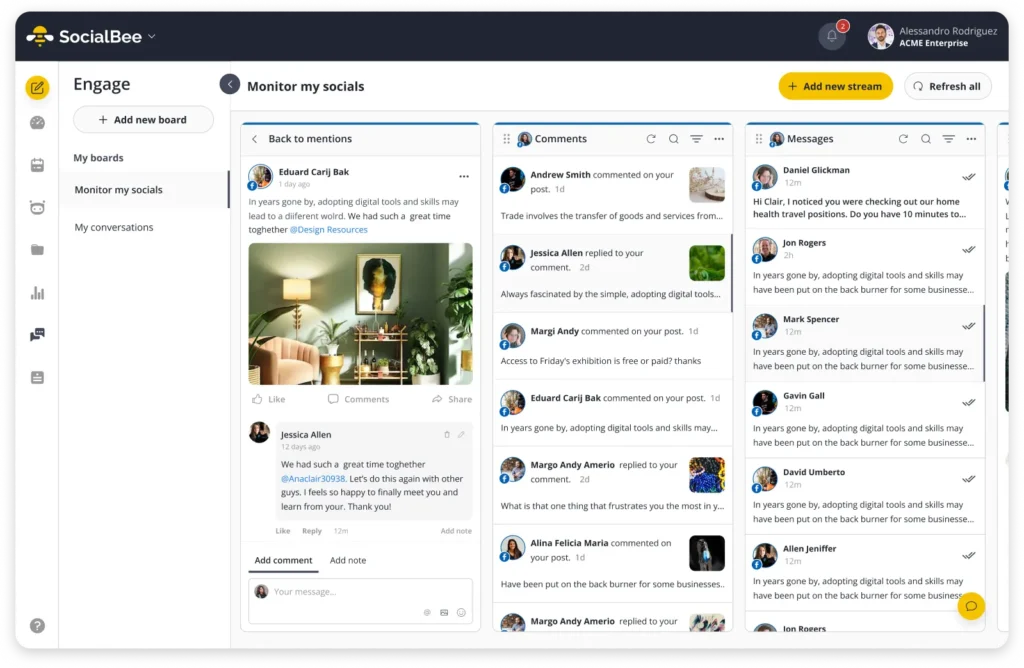
You can reply without jumping between platforms, assign conversations to teammates, add internal notes, and keep track of which messages still need a response.
5. Build momentum for launches and promotions
Very few people buy something after seeing a single post, and 50% of people want Stories from brands to introduce them to new products.
Stories make it easy to remind your audience that something is happening without repeating the same content in your feed. You can count down to a product launch, tease new features, answer common questions, share customer reactions, and remind people before an offer expires.
Used together with feed posts and Reels, Stories help keep your campaign visible throughout its entire lifecycle instead of relying on one announcement that many followers may never see.
How to post a Facebook Story natively
You can post Facebook Stories from your phone or desktop, whether you’re using a personal profile or a business Page. The exact steps vary slightly depending on where you’re publishing from, but the process is straightforward.
How to post a Facebook Story from the mobile app
The Facebook mobile app gives you access to every Story creation tool, making it the easiest way to publish photos and videos on the go.
Here’s how to create a Facebook Story from your phone:
- Open the Facebook app.
- Tap Create Story at the top of your Feed.
- Upload a photo or video from your camera roll, or capture new content with Facebook’s in-app camera.
- Customize your Story with text, stickers, music, effects, links (where available), or other creative tools.
- Choose who can see your Story if you’re posting from a personal profile.
- Tap Share to Story.
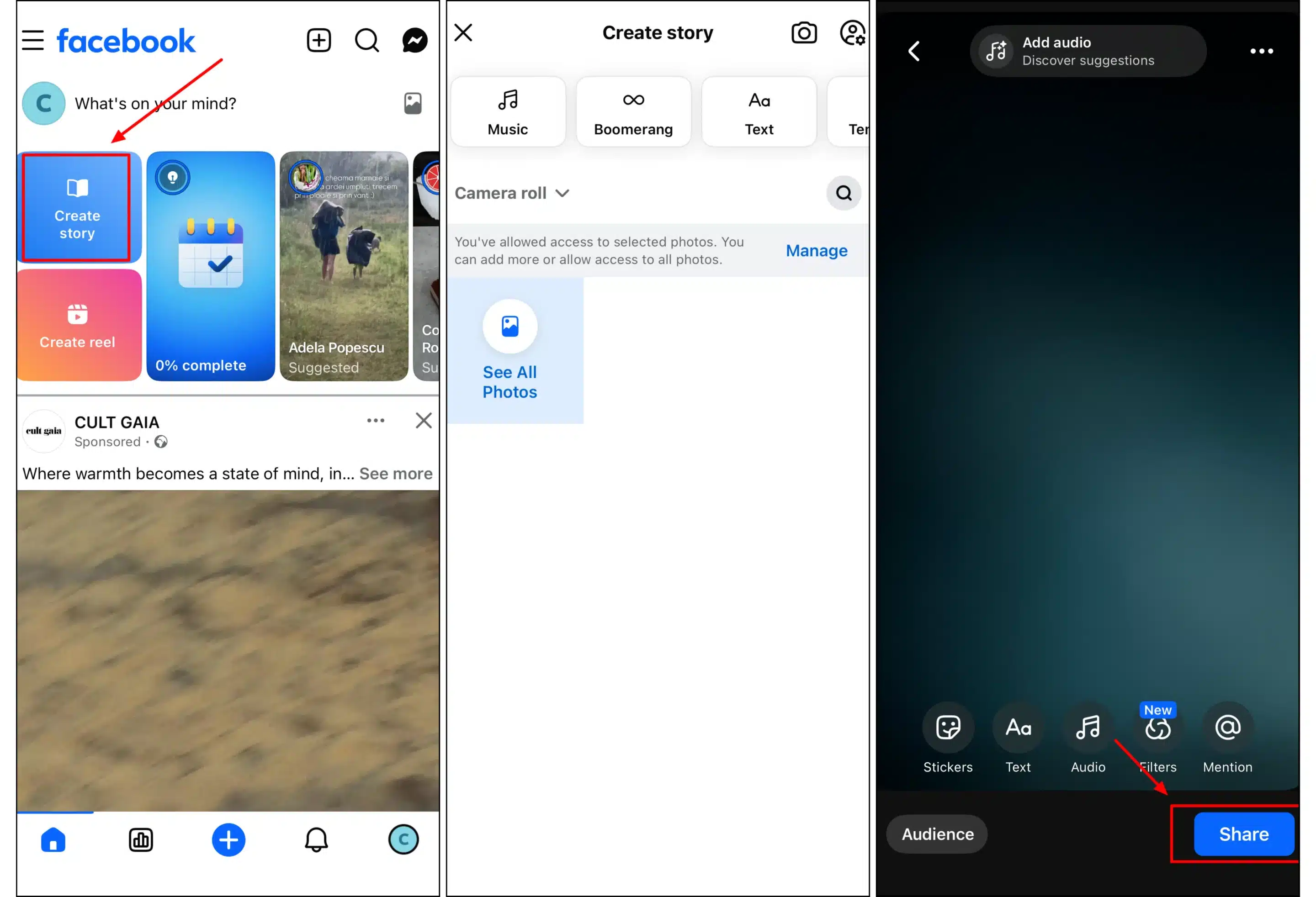
Your Story will appear at the top of your followers’ feeds for 24 hours before moving to your Story Archive (if enabled).
How to post a Facebook Story from your desktop
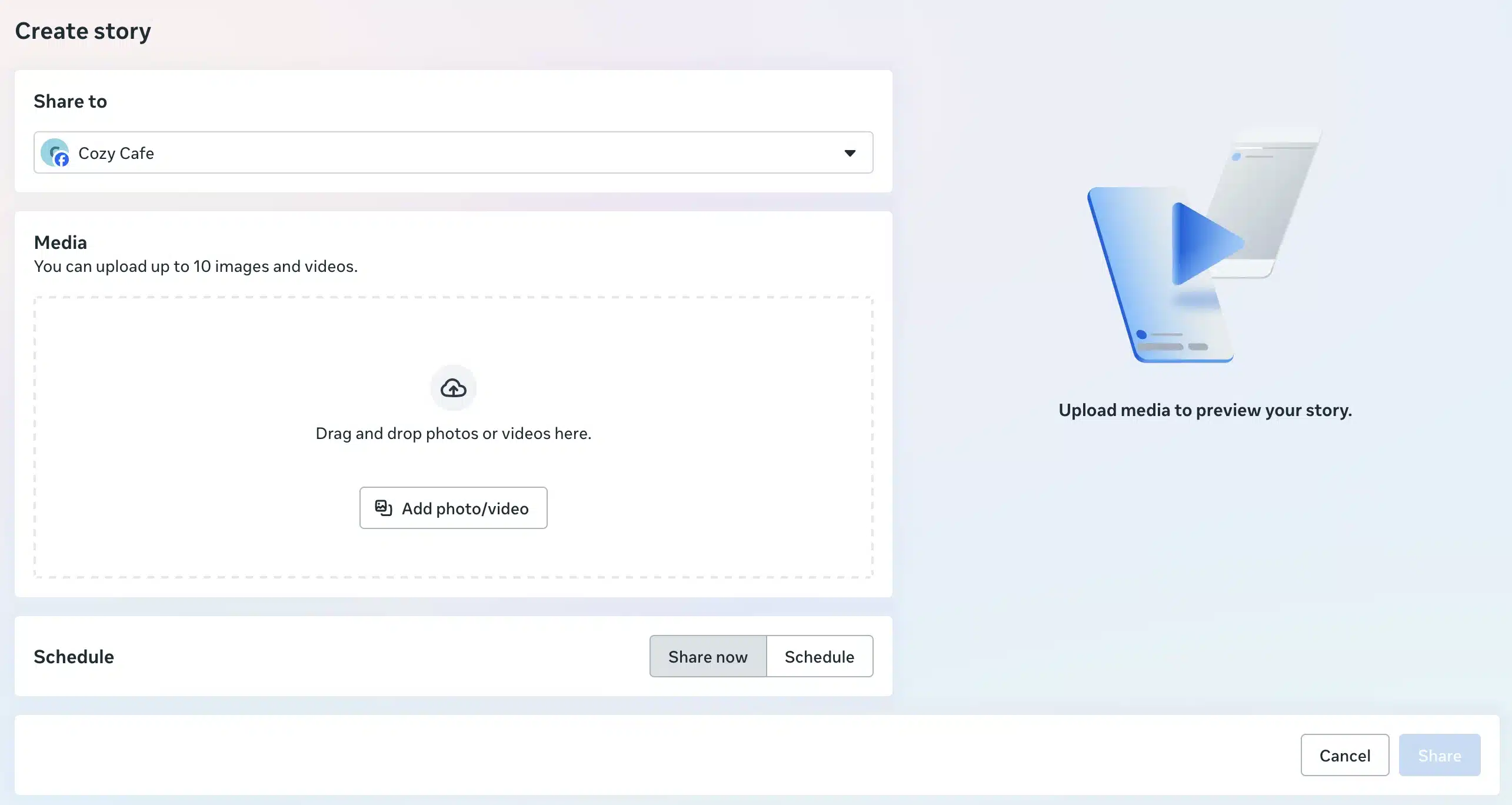
You don’t have to use your phone to publish Stories. Facebook lets you create Stories from your computer, although desktop offers fewer editing features than the mobile app.
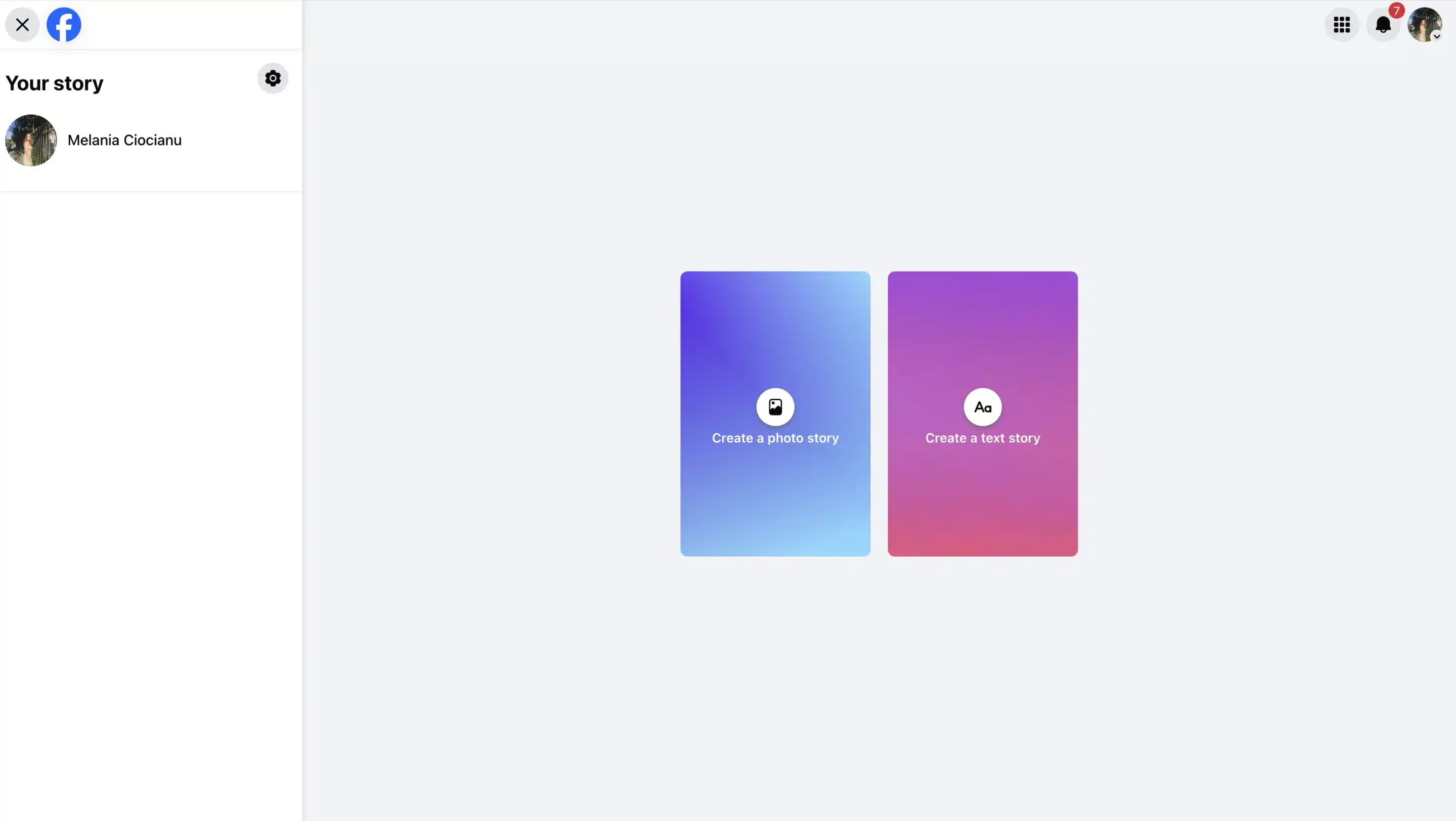
How to share a Facebook Story on desktop for a personal profile
- Open Facebook in your browser.
- Click Create Story near the top of your Feed.
- Upload a photo or video.
- Add any available text or basic edits.
- Choose your Story audience.
- Click Share to Story.
How to share a Facebook Story on desktop for a Facebook Page
If you’re posting on behalf of a business, you must have Facebook access to the Page or the appropriate Page permissions.
- Switch into your Facebook Page.
- Click Create Story from the Page feed, or create it through Meta Business Suite if you manage your Page there.
- Upload your content and make any available edits.
- Publish your Story.
How to automatically share Instagram Stories to Facebook
If your Facebook Page and Instagram account are connected through the same Meta Account, you can automatically publish every Instagram Story to Facebook as well. This saves time and helps you reach both audiences without uploading the same content twice.
Here’s how to enable it:
- Open Instagram.
- Go to Settings > Accounts Center.
- Select Sharing across profiles.
- Choose your Instagram account and your Facebook profile or Page.
- Turn on Automatically share your Instagram Story to Facebook.
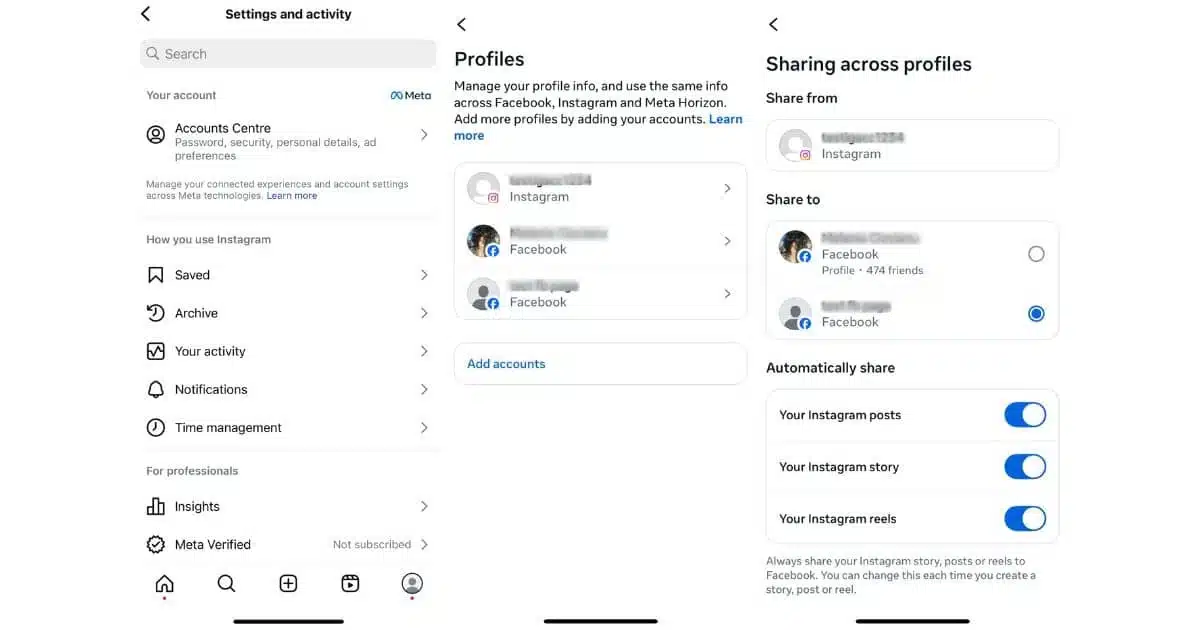
Once enabled, every new Instagram Story will also appear on your connected Facebook account unless you change the setting.
How to share your Facebook Story to Instagram
If you create a Story on Facebook first, you can also share it to Instagram without uploading it a second time. This option is available in the Facebook mobile app once your Facebook and Instagram accounts are connected through Accounts Center.
Here’s how:
- Open the Facebook app.
- Create or open your Facebook Story.
- If prompted, connect your Facebook and Instagram accounts through Accounts Center.
- Choose the option to share your Story to Instagram.
- Publish your Story.
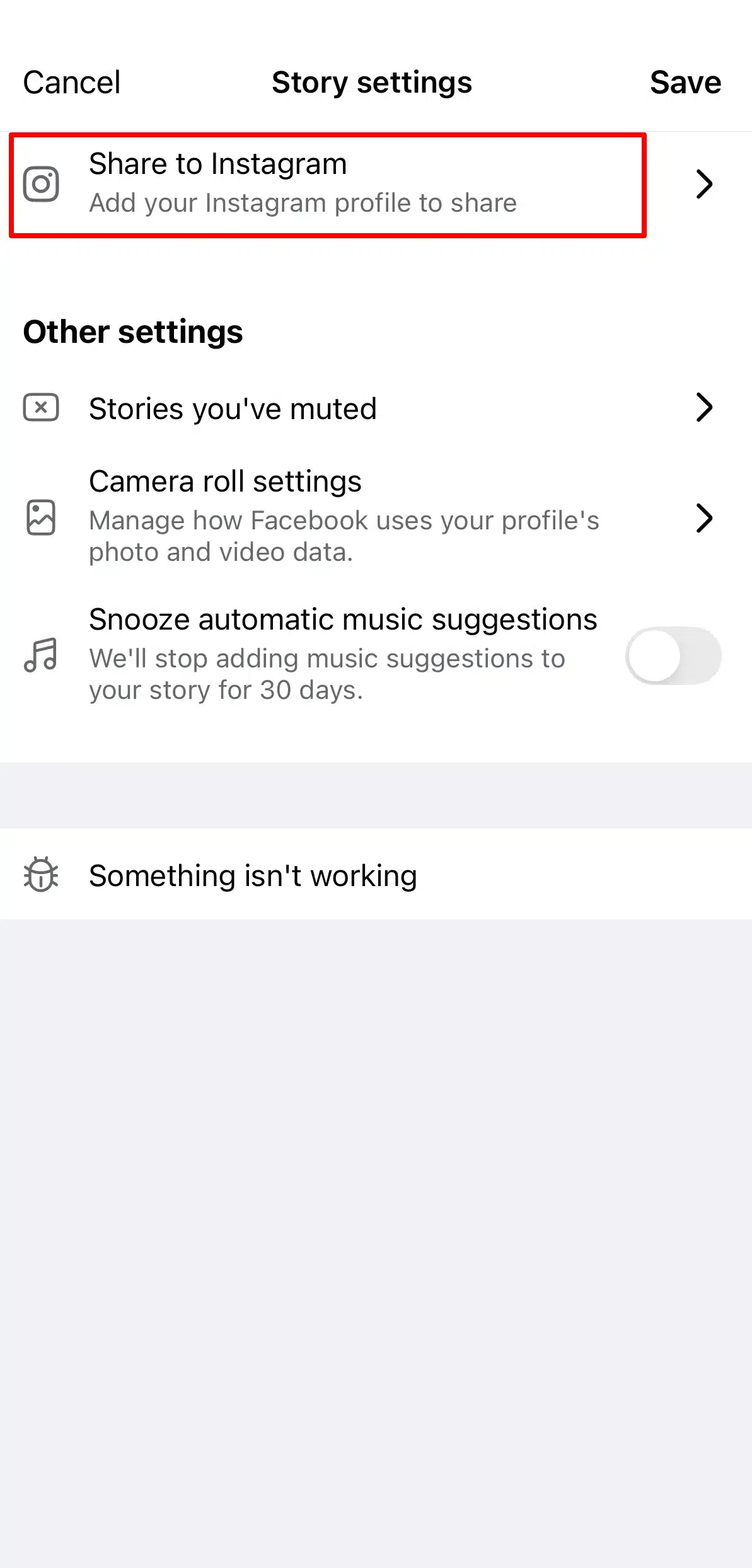
Keep in mind that your Instagram privacy settings still apply to the Story after it’s shared. This feature is only available on the Facebook mobile app, not on desktop.
How to post Facebook Stories with SocialBee
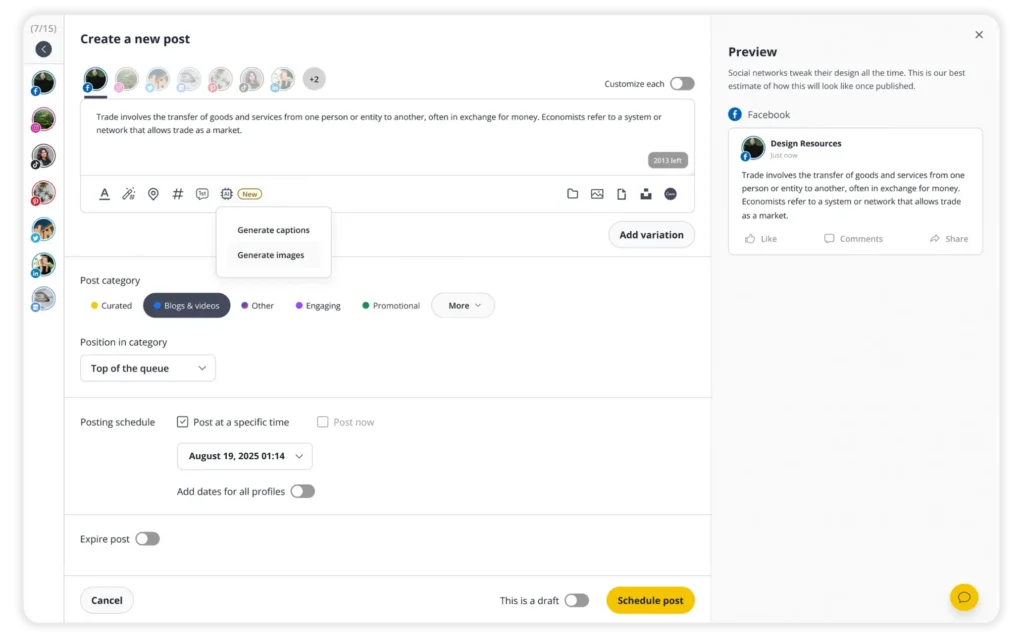
If you want to plan your Stories in advance, SocialBee makes it easy to schedule them alongside your other Facebook content. You can create Stories, organize them into your content calendar, collaborate with your team, and publish them at the right time without having to remember to post manually.
How your Story is published depends on the type of Facebook account you’ve connected:
|
Facebook account |
How Stories are published |
|
Facebook Page |
Automatically published by SocialBee |
|
Facebook Personal Profile |
Published through the SocialBee mobile app using Reminders |
Schedule Facebook Stories for a Facebook Page
If you’ve connected a Facebook Page, SocialBee can publish your Stories automatically at the scheduled date and time.
Here’s how:
- Click Create post in your SocialBee dashboard.
- Select your Facebook Page.
- Turn on Customize each.
- Choose Story as the post format.
- Upload your Story image or video.
- Add the Story to a Post Category or choose a specific publishing date and time. SocialBee can also recommend the best posting time based on your previous performance.
- Review the preview, approve the post, and click Create post.
Your Story will be published automatically at the scheduled time, so you don’t have to log into Facebook to post it yourself.
Schedule Facebook Stories for a personal profile
Because Meta doesn’t allow third-party tools to publish Stories directly to personal Facebook profiles, SocialBee uses Reminders instead.
The workflow is still simple:
- Create and schedule your Story in the SocialBee dashboard.
- When it’s time to publish, you’ll receive a notification from the SocialBee mobile app.
- Tap Post now.
- The Facebook app will open with your Story ready to publish.
- Add any final touches, like stickers or text, if you’d like, then tap Share.
This gives you the flexibility to plan your content calendar in advance, even for personal profiles that don’t support direct publishing through Meta’s API.
How to create Facebook Stories people actually watch
Knowing how to publish a Facebook Story is only half the equation. If you want people to watch until the end and interact with your content, you need to think beyond individual posts.
Here are the best practices I recommend for creating Facebook Stories that drive views, replies, and engagement.
1. Build Story sequences instead of standalone posts
One of the biggest mistakes businesses make is treating Facebook Stories like disappearing feed posts. They’ll upload a single image, maybe announce a sale, and then disappear for another week.
Stories work much better when they’re planned as a sequence.
Instead of asking yourself, “What should I post today?”, ask, “What journey do I want someone to go through?” Each Story should naturally lead into the next, encouraging people to keep tapping instead of leaving after the first frame.
For example, if you’re launching a new product, your sequence could look like this:
- Start by teasing the launch or highlighting a problem your audience faces.
- Show a behind-the-scenes look at your team preparing the launch.
- Introduce the product and explain what makes it useful.
- Share a customer reaction or demonstration.
- End with a reminder that it’s available and tell people exactly what to do next.
The same principle applies to promotions, events, webinars, or educational content. Rather than cramming everything into one Story, spread your message across several frames that each have a clear purpose.
Just remember that longer isn’t always better. If you’ve already made your point in three frames, don’t stretch it to eight. Every additional Story should earn its place.
2. Design every Story for mobile viewing and fast consumption
People don’t consume Stories the same way they read a blog post or watch a YouTube video. Most viewers spend only a few seconds on each frame before deciding whether to keep watching or move on.
That means your Story has to communicate its message almost instantly.

Start by designing everything vertically in a 9:16 format (1080 × 1920 pixels) so it fills the entire screen. If your content is cropped or surrounded by empty space, it immediately feels less polished.
Next, think about where Facebook places its interface. Your profile name, progress bar, and buttons appear at the top of the screen, while the reply field sits at the bottom. If you place important text or your CTA too close to either edge, parts of it may be hidden behind the interface.
Keep each frame focused on one idea. Instead of filling the screen with long paragraphs, use a short headline supported by an image or video that communicates the message visually. If you’re explaining multiple points, split them into separate Story frames instead of asking viewers to read everything at once.
Video deserves a little extra attention. Many people watch Stories without sound, especially when they’re in public, so captions are essential. They make your content more accessible and ensure your message still gets across even if the audio is muted.
Finally, don’t forget readability. Use large fonts, strong contrast between your text and background, and visuals that are easy to understand at a glance. If someone has to stop and decipher your Story, there’s a good chance they’ll simply tap to the next one instead.
3. Use interactive features to start conversations
Facebook gives you plenty of creative tools, but don’t add stickers, GIFs, or effects just because they’re available. Every element should encourage people to take action or help reinforce your message.
For example, if you’re announcing a new product, ask your audience what feature they’re most excited to try. If you’re attending an event, invite followers to send in questions you’ll answer throughout the day. Running a limited-time promotion? Add a countdown sticker to build anticipation before it begins.
Stories are also one of the few Facebook formats that naturally encourage private conversations. Rather than asking people to leave a public comment, invite them to reply directly to your Story with a question, opinion, or request. This lowers the barrier to engagement and often leads to more meaningful conversations with potential customers.
The same goes for mentions and location tags. Tag partners, collaborators, or event organizers when they’re relevant, and use location stickers if you’re covering a local event or promoting a physical business. These additions provide context and can help your Story reach a more relevant audience.
The key is intentionality. Every sticker, poll, mention, or effect should support your objective, not distract from it.
4. Repurpose your best-performing content
One of the easiest ways to stay consistent with Stories is to stop thinking of them as entirely new content.
Your best Stories are often hidden in content you’ve already created. A high-performing Facebook post can become a quick reminder in your Story. A blog article can be turned into three or four key takeaways. A webinar or podcast can be broken into short video clips. Even customer testimonials and reviews can become compelling Story slides with very little editing.
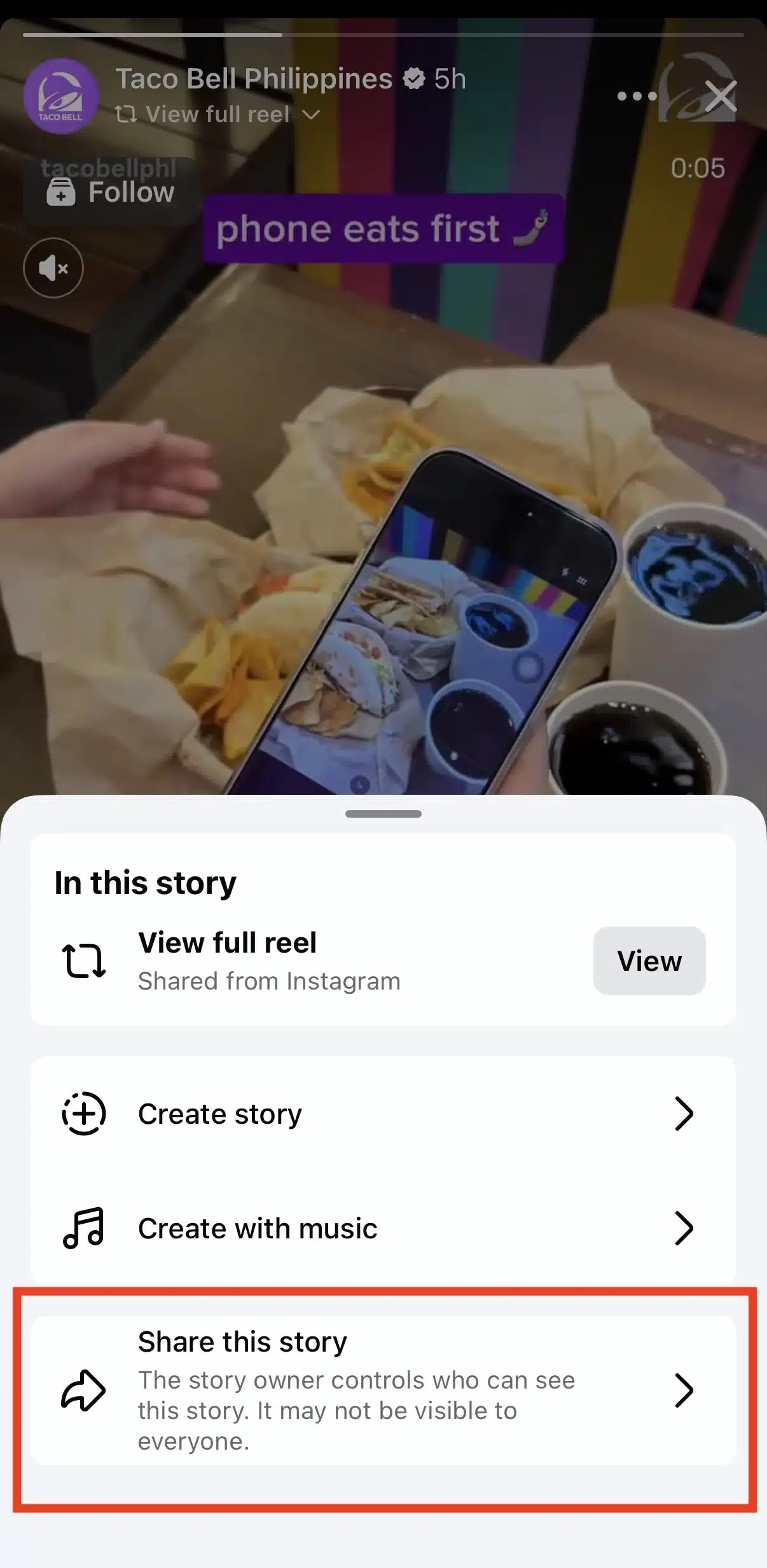
Take for example this page that repurposed its recipe Reel as a Story:
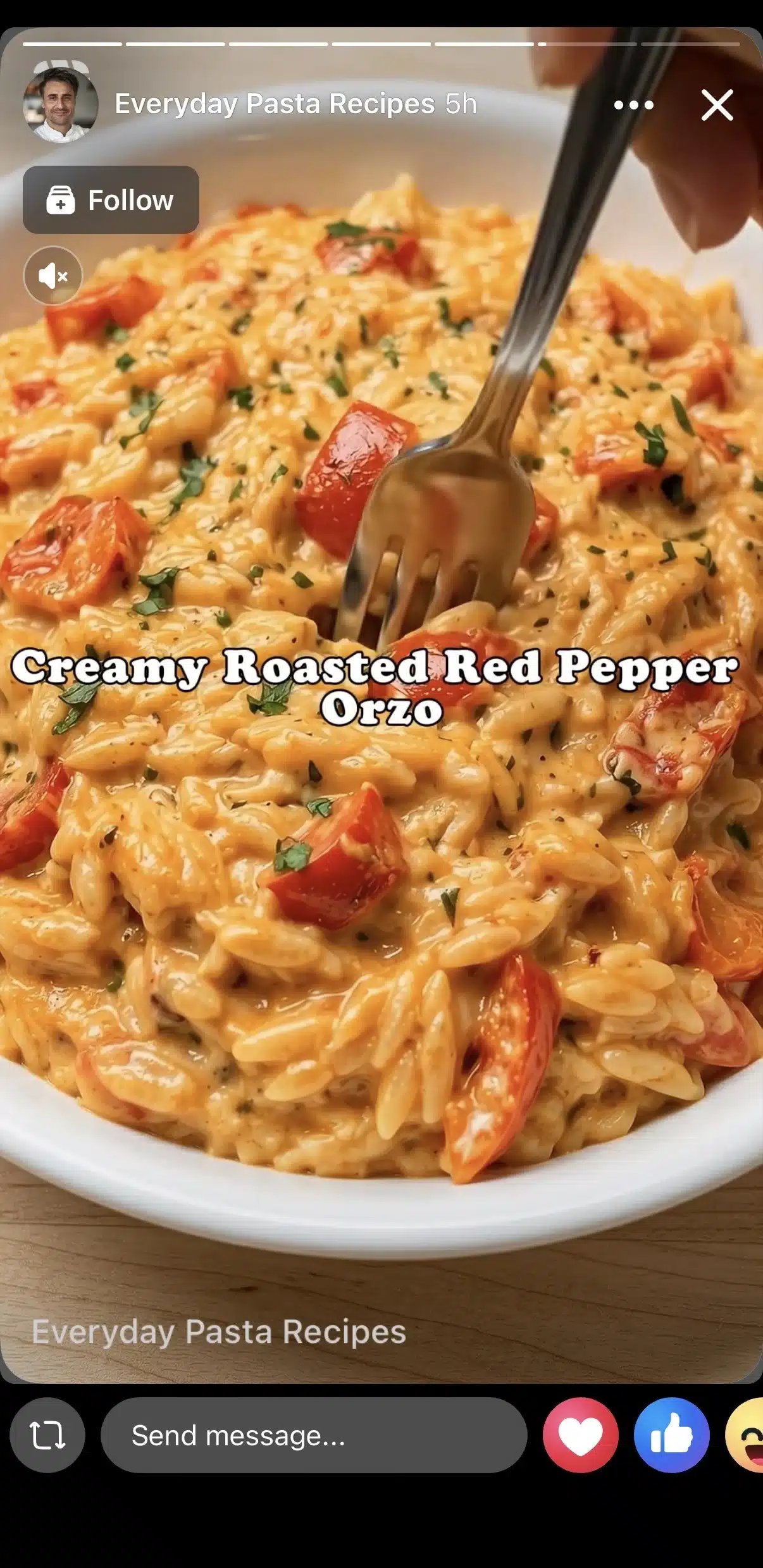
This approach saves time while increasing the lifespan of your best content. Rather than publishing something once and hoping everyone sees it, you’re presenting the same idea in a format that’s better suited to quick consumption.
The important part is adapting the content instead of simply reposting it. Resize visuals to fit the vertical format, shorten long text into punchy headlines, and use stickers, captions, or animations to make each frame feel native to Stories.
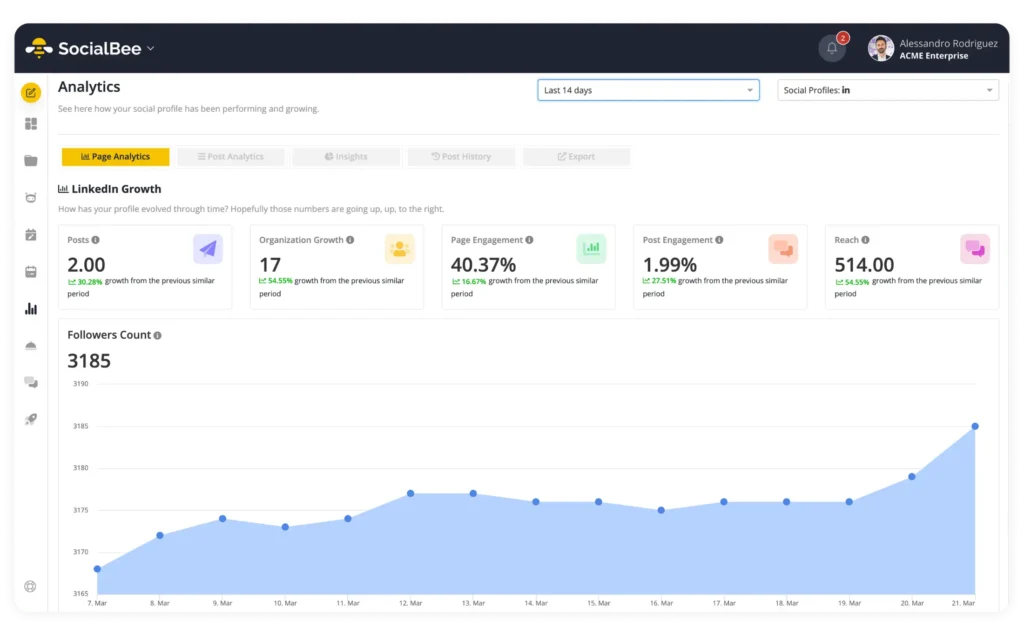
If you’re not sure what to repurpose, let your analytics guide you. In SocialBee’s Analytics dashboard, you can identify your top-performing Facebook posts, compare engagement across content categories, and spot recurring themes that resonate with your audience. Instead of guessing what might work as a Story, you can build on content that’s already proven successful.
5. Measure performance and keep experimenting
The best Facebook Story strategy isn’t built overnight, it’s the result of consistently testing different ideas and learning from the data.
Start by reviewing your Story insights regularly. Look beyond total views and pay attention to how people move through your Story sequence. If viewers frequently exit after the first frame, your opening probably isn’t strong enough. If they tap back, you’ve likely shared something worth revisiting. If they reply or react, you’ve created content that sparked a conversation.
It’s also worth looking for patterns over time. Do your behind-the-scenes Stories consistently outperform promotional ones? Do short videos generate more replies than static images? Are people more likely to engage in the morning or evening? These are the kinds of insights that help you refine your strategy.
Don’t be afraid to experiment. Test different Story lengths, publishing times, video versus image content, educational versus promotional topics, and different calls to action. Change one variable at a time so you can clearly see what’s influencing your results.
As your content library grows, these small experiments compound into a much stronger strategy. Instead of relying on assumptions or copying what other brands are doing, you’ll understand exactly what keeps your audience watching, responding, and coming back for more.
6. Post when your Stories are most relevant
Unlike feed posts, Stories are built around what’s happening right now. They disappear after 24 hours, which makes them perfect for updates that lose value quickly.
Think about the types of content people need to see immediately:
- A flash sale that ends tonight
- A reminder that your webinar starts in an hour
- Behind-the-scenes moments from a conference or product launch
- A restock announcement
- Live updates during an event
- A countdown to a new release
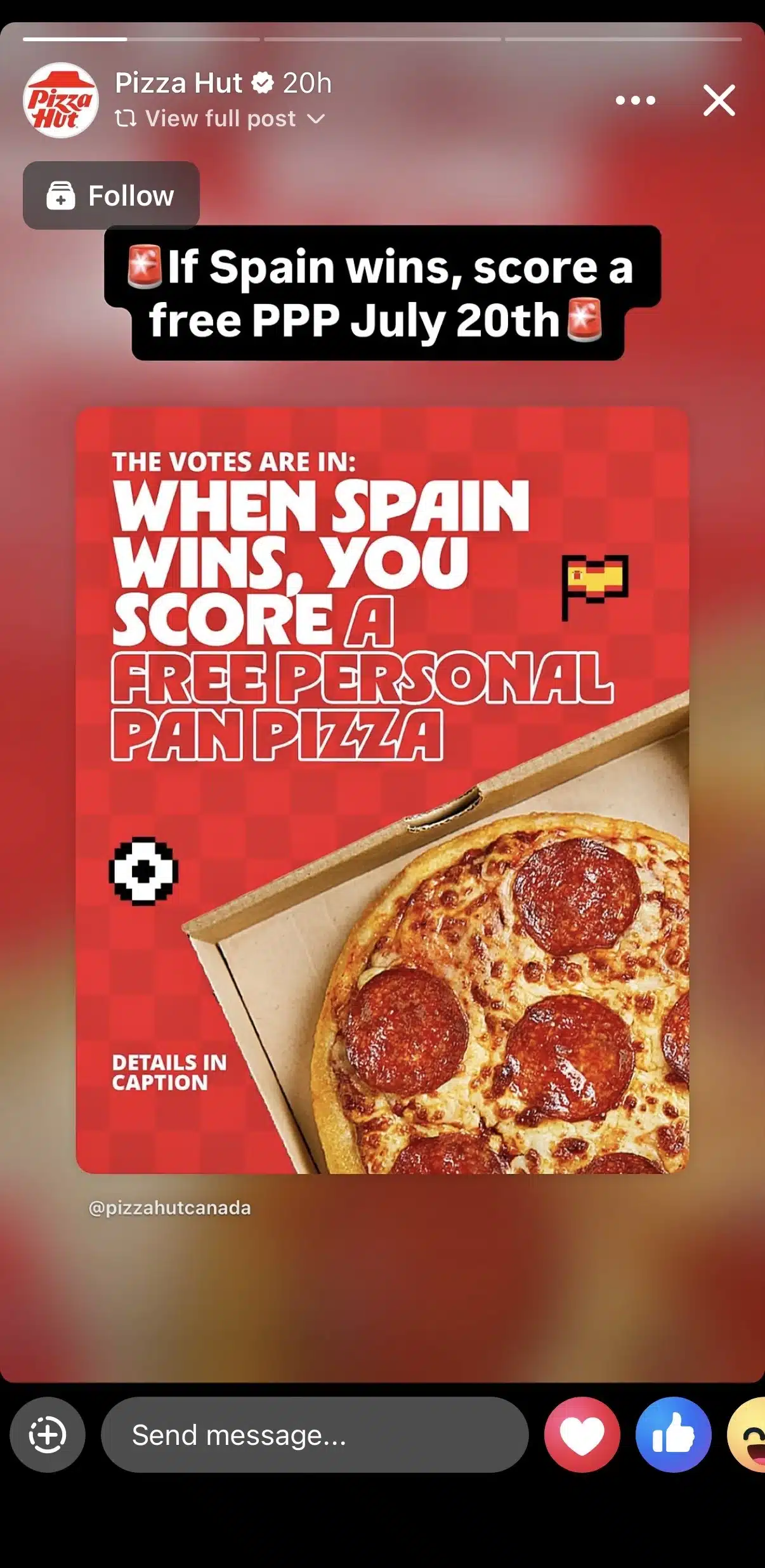
On the other hand, if the content will still be useful next month, it’s probably better suited for a feed post or a Reel.
Timing matters just as much as the content itself. A Story promoting tomorrow’s event is helpful. The same Story posted two days after the event has no value.
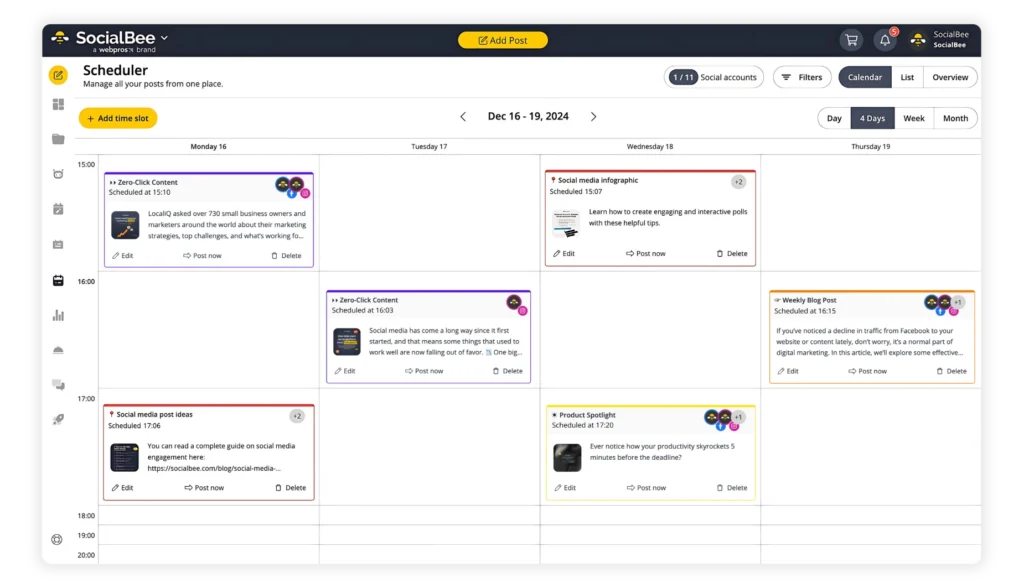
If you’re planning campaigns in advance, schedule your Stories alongside your feed posts instead of treating them as an afterthought. For example, you might publish a Reel to build awareness a week before launch, a feed post announcing all the details the day before, and several Stories on launch day to answer questions, remind followers, and create urgency while the offer is still available.
By scheduling all of your different Facebook post formats through SocialBee, you can make sure from one dashboard that they go live at the perfect times, complementing each other.
7. Use your Story analytics to improve every campaign
Publishing Stories consistently is only part of the process. To improve over time, you need to understand how people interact with them.
Don’t stop at total views. Facebook Story Insights can reveal where people lose interest, what encourages replies, and which topics consistently perform well. Ask yourself questions like:
- Which Story reached the most people?
- Which frame caused the biggest drop-off?
- Which Stories generated replies or reactions?
- Which campaigns drove the most profile visits or website clicks?
- Which topics consistently keep people engaged?
Instead of chasing viral Stories, look for patterns. You may discover that behind-the-scenes content consistently outperforms promotional updates or that short product demos keep viewers watching longer than static graphics.
The goal is to identify the habits and topics you can repeat across future campaigns.
8. Match your Stories to where customers are in their buying journey
Not every Story should ask people to buy something.
Someone discovering your brand for the first time needs different content than someone who’s already considering a purchase. Mixing different types of Stories helps you move people through that journey naturally instead of constantly selling.
For example:
- Awareness: Share behind-the-scenes moments, company culture, industry tips, or educational content.
- Consideration: Answer frequently asked questions, demonstrate your product, compare features, or share customer testimonials.
- Decision: Promote limited-time offers, announce new launches, highlight social proof, or remind people before a sale ends.
Planning Stories this way also prevents your content from becoming repetitive. Instead of posting five promotional Stories in a row, you’re guiding people from learning about your brand to becoming customers.
Over time, this creates a healthier content mix that keeps your audience engaged while still supporting your marketing goals.
9. Make every Story instantly recognizable
People move through Stories quickly, often in just a few seconds. Even if they don’t watch every frame, they should immediately recognize that the content belongs to your brand.
That doesn’t mean every Story needs to include your logo. Instead, focus on creating a consistent visual identity. Use the same color palette, typography, editing style, and tone of voice across your Stories so they feel like part of the same brand experience.
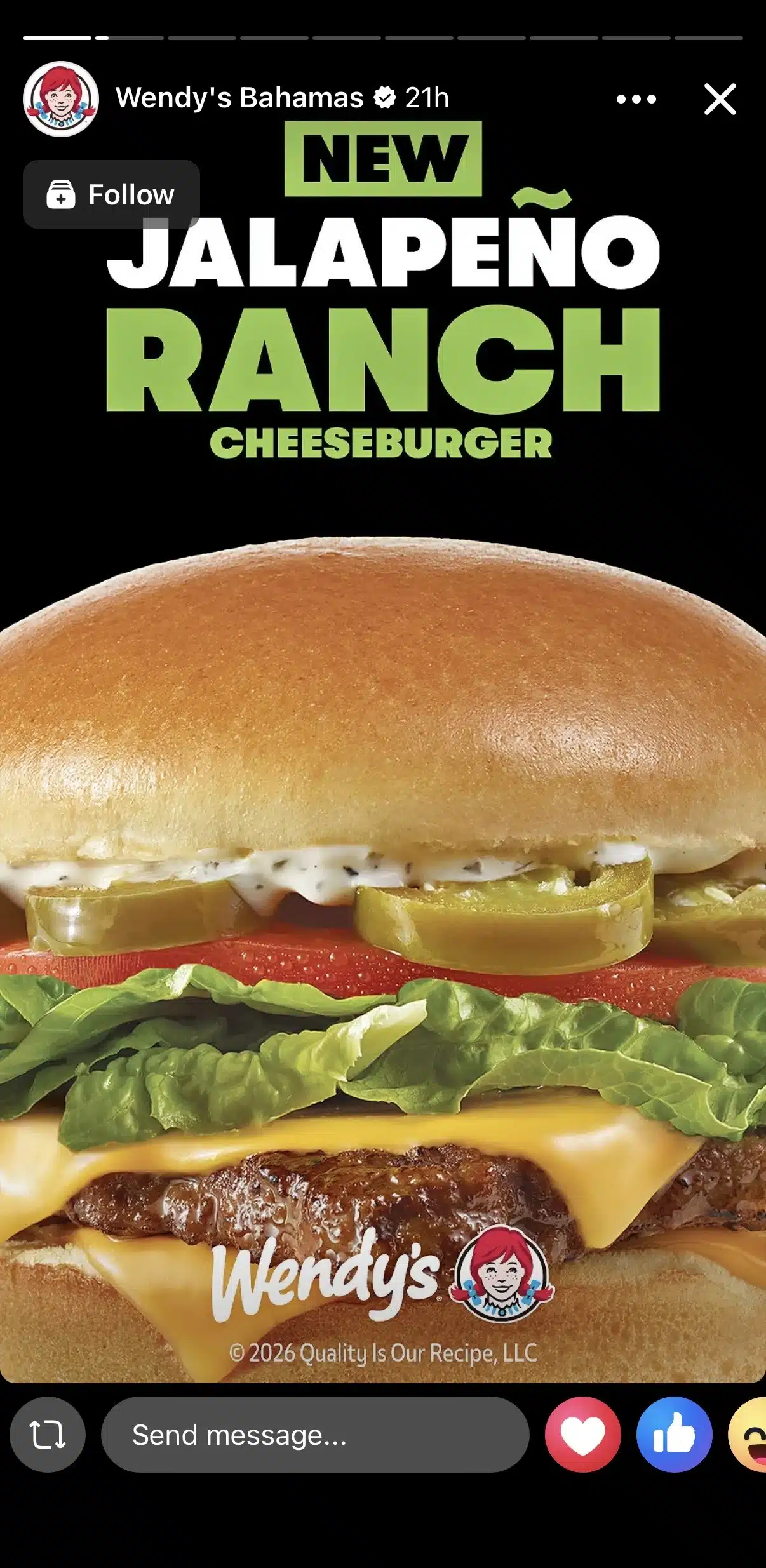
Consistency also applies to your creative approach. If you regularly use bold headlines, clean product shots, or a casual behind-the-scenes style, stick with it. Familiarity helps build trust and makes your content easier to recognize as people tap through dozens of Stories.
At the same time, avoid overdesigning everything. Stories are meant to feel more immediate than feed posts. A quick video filmed at your office, a customer sharing their experience, or a spontaneous update from an event often feels more authentic than a heavily designed graphic. The goal is to create Stories that are polished enough to reflect your brand, but natural enough to feel like they belong in the format.
10. Balance promotional and relationship-building content
It’s tempting to use Facebook Stories only when you have something to sell. A sale starts, a product launches, a webinar opens for registration, and suddenly your Stories become a stream of promotions.
The problem is that Facebook users quickly learn to skip Stories that feel like constant advertisements.
Instead, aim for a healthy mix of promotional and value-driven content. Between campaign updates, share the kinds of Stories that help people get to know your business:
- Behind-the-scenes moments from your team
- Customer success stories or testimonials
- Quick tips related to your industry
- Answers to frequently asked questions
- Milestones and company celebrations
- User-generated content from happy customers

This way, when you do promote a product or service, it feels like part of an ongoing conversation instead of an interruption.
A simple rule I like to follow is to give your audience several useful or entertaining Stories before asking them to take action. Over time, that balance builds trust, keeps engagement high, and makes your promotional Stories much more effective.
Frequently asked questions
1. Can you see who views your Facebook Stories?
Yes, while your Story is active, you can see exactly who has viewed it by opening the Story and swiping up or tapping the viewer count. This list is only available for 24 hours while the Story is live. After that, you’ll still be able to access overall performance metrics through your Story Archive or Page Insights (if available), but the individual viewer list is no longer visible.
2. How can you access Facebook Stories insights?
If you publish Stories from a Facebook Page or a Professional Mode profile, you can access Story Insights to understand how your content performs.
Open your Story or go to your Page’s Professional Dashboard or Insights section to review metrics such as reach, views, replies, navigation actions (like taps forward, taps back, and exits), and link clicks where applicable
3. When should you post Facebook Stories?
The best time to post depends on when your audience is most active. As a general rule, publish Stories shortly before or during the period when you expect the most engagement, such as before an event starts, while a promotion is running, or during your audience’s peak activity hours.
4. How often should you post Facebook Stories?
Consistency matters more than volume. For most businesses, posting one to five Story frames per day is enough to stay visible without overwhelming your audience.
Rather than aiming for a specific number, focus on publishing when you have something timely or valuable to share. A few well-planned Stories that educate, entertain, or start conversations will usually outperform a long sequence of promotional updates. Monitor your Story Insights to find the posting frequency that keeps your audience engaged without increasing exits or drop-off rates.
Turn Facebook Stories into a consistent part of your strategy
Facebook Stories are one of the easiest ways to stay visible between your biggest posts. Whether you’re sharing quick updates, promoting an event, or starting conversations with your audience, consistent Stories help keep your brand top of mind.
With SocialBee, you can schedule Facebook Stories alongside your other social media content, organize them in a shared content calendar, and collaborate with your team before publishing. For personal Facebook profiles, mobile Reminders make it easy to plan Stories in advance, even when Meta requires you to publish from the Facebook app.
Start your 14-day free SocialBee trial and simplify your Facebook content planning.