One of the most memorable co-branding campaigns involved a man jumping from a space pod while capturing his descent with a GoPro. The event broke three world records and showed just how much attention the right brand collaboration can generate.
The partnership also delivered business results. Red Bull’s sales grew by 7% in the following six months, while GoPro generated $32.26 million by the end of the year.
That’s the potential of co-branding when two brands bring their strengths and audiences together.
In this article, we’ll explain how co-branding works, explore four strategies businesses can use, and look at real examples of successful brand partnerships. You’ll also learn how to make the most of inter-brand collaborations.

Types of Co-Branding Content on Social Media
Looking for content ideas for your next collaboration?
Here are five types of social media content you can use in a co-branding campaign:
- Joint product announcements: Introduce a co-branded product or partnership through content that combines elements of both brands. For example, Spotify and Starbucks partnered to bring curated Spotify playlists into Starbucks stores and promoted the collaboration on social media.
- Interactive polls and quizzes: Create polls or quizzes around an interest shared by both audiences. For example, an ice cream brand and a streaming platform could ask followers which ice cream flavor they would pair with a movie night.
- Co-branded tutorials: Show your audiences how the two brands or products can work together. A beauty and skincare brand, for example, could create a tutorial featuring products from both companies.
- Testimonials and reviews: Ask customers, creators, or other users to share their experience with the co-branded product or service. This gives potential customers a real example of how the collaboration works in practice.
- Collaborative challenges and giveaways: Encourage both audiences to participate in a challenge or giveaway connected to the partnership. Prizes can include products, services, or exclusive merchandise from both brands.
B. Long-Form Content
Long-form content gives co-branding partners more space to combine their expertise and explore a topic in depth.
Brands can work together on ebooks, white papers, blog posts, or reports. Each partner can contribute knowledge from its area of expertise and promote the finished content to its own audience, helping both brands reach more people.
C. Podcasts
Podcasts give experts from both brands a conversational format for sharing their knowledge and discussing topics relevant to their audiences.
One conversation can also produce content for several channels. You can turn a recorded podcast into video clips, audio snippets, social media posts, emails, and other promotional content.
D. Webinars
Webinars allow experts from both brands to share their knowledge and interact with the audience in real time. Each partner can bring a different perspective to the discussion, giving attendees more value than either brand might provide alone.
The recording can also continue working after the live event. Partners can repurpose clips and insights for social media, email, and other channels or share the full recording with their audiences.
SocialBee, for example, regularly collaborates with experts through webinars, bringing different areas of expertise into the same educational format.
Expert Tip: Give each partner room to adapt co-branded content to its own voice. The core message and campaign should stay consistent, but the way each brand presents the content can be adjusted to feel natural to its audience.
2. Product Co-Branding
Product co-branding brings the strengths of two or more brands together to create a new product or service. Each partner might contribute its design expertise, technology, audience knowledge, customer experience, or another capability that makes the final product more valuable.
A well-known example is the Doritos Locos Taco, created through a collaboration between Frito-Lay and Taco Bell. Taco Bell sold more than one billion Doritos Locos Tacos within the first year.

If you’re considering product co-branding, start by choosing a partner whose strengths complement your own. The product should give customers a clear reason to choose the collaboration instead of something either brand already offers separately.
Before moving forward, agree on practical details such as:
- Product development and manufacturing responsibilities
- Inventory and distribution
- Revenue sharing
- Marketing responsibilities and content
- Launch dates and timelines
- Promotion channels
It’s also worth looking at how potential partners have handled previous collaborations. Once the partnership is defined, create a marketing and social media strategy that explains how both brands will introduce and promote the product.
3. Influencer Co-Branding
Influencer co-branding goes beyond paying a creator to promote an existing product. The influencer works with the brand to develop a product or collection that combines the company’s expertise with the creator’s style, ideas, or knowledge of their audience.
For example, a beauty brand might collaborate with a beauty creator on a new product line. Jenn Im’s collaboration with ColourPop is one example of this approach.
The influencer can then play an important role in promoting the collaboration to an audience that already knows their content. This can help the brand reach new potential customers and build awareness around the co-branded product.
Before choosing an influencer for a co-branding partnership, consider whether:
- Their audience matches your target customers. Look beyond follower count and consider engagement, reach, audience demographics, and other relevant performance data.
- Their image fits your brand. The partnership should feel credible to both your existing customers and the influencer’s audience.
- They have conflicting partnerships or products. Check whether they already promote or sell something that directly competes with your product.
- They can support the launch. Ask for relevant, verifiable audience and performance data so you understand how they can contribute to promotion.
4. Innovation Co-Branding
Innovation co-branding brings brands together to create an experience, technology, or digital product that uses capabilities from both partners.
Gucci and Roblox provide one example. Together, they created the virtual Gucci Garden experience on Roblox, where users could explore themed virtual spaces and purchase limited-edition virtual items.

This type of co-branding is especially relevant when one partner can provide technology, a platform, or specialized expertise that the other does not have. Gaming and technology companies are natural candidates, but the same approach can work for other businesses creating digital products and experiences.
Innovation co-branding generally requires more experimentation and product development than a straightforward marketing collaboration. Before choosing a partner, make sure both businesses agree on the idea, understand what each will contribute, and have the resources to develop and test it.
Once the experience is ready, both brands can promote it through their existing channels. Depending on the campaign, giveaways or other interactive promotions can also encourage participation.
3 Co-Branding Examples to Look Into
The best co-branding examples show what happens when each partner brings something different to the collaboration.
Here are three examples of brands combining their audiences, expertise, products, or platforms:
- Nike x Spotify
- Victor Glemaud, Nili Lotan, Rachel Comey, and Sandy Liang x Target
- BuzzFeed x Best Friends Animal Society (BFAS)
1. Nike x Spotify: Product and Innovation Co-Branding
Nike and Spotify partnered to bring music directly into the running experience through the Nike+ Running app.

Through the Nike Pace Station, runners could access Spotify music through the Nike app instead of switching between apps. The partnership also introduced personalized playlists designed around a runner’s pace.
The collaboration worked because the two services complemented each other. Nike provided the running experience, while Spotify provided the music people could listen to during their workouts.
Why it worked: The partnership solved a practical problem for an overlapping audience rather than simply putting two brand names on the same campaign.
2. Victor Glemaud, Nili Lotan, Rachel Comey, and Sandy Liang x Target: Influencer Co-Branding
Target partnered with fashion designers Victor Glemaud, Nili Lotan, Rachel Comey, and Sandy Liang for its Fall Designer Collection.

The collection included more than 180 apparel and accessory items inspired by each designer’s signature style. Target brought the designers’ work to its large customer base, while the partnership gave shoppers access to designer-led pieces through the retailer.
Why it worked: Each partner contributed something distinct. The designers brought their individual aesthetics and fashion expertise, while Target provided the retail platform and access to a broader audience.
3. BuzzFeed x Best Friends Animal Society (BFAS): Content Co-Branding
Co-branding doesn’t have to result in a new product. BuzzFeed and Best Friends Animal Society used content to combine entertainment with a clear goal: encouraging pet adoption.

For the collaboration, Emma Watson answered fan questions while playing with kittens in a co-branded video. The accompanying content highlighted that the kittens featured in the video were available for adoption.
BuzzFeed provided an entertaining format and access to its audience, while Best Friends Animal Society connected that attention to its adoption efforts.
Why it worked: The partnership made the organization’s message part of content people already had a reason to watch, rather than treating the adoption message as a separate promotion.
Frequently Asked Questions
1. How Do You Choose a Co-Branding Partner?
Look for a partner whose audience, values, and offering complement your own. The collaboration should make sense to customers of both brands and give each business something valuable to contribute.
Before committing, review the brand’s reputation, previous partnerships, resources, and ability to deliver on its responsibilities. You should also agree on roles, budgets, timelines, promotion, ownership, and how results will be measured before launching the collaboration.
2. How Can You Protect Data Privacy and Security When Co-Branding?
If a co-branding partnership involves sharing customer or campaign data, decide what information each partner actually needs and how it will be handled.
To reduce privacy and security risks:
- Create clear agreements covering how data can be collected, accessed, used, stored, and shared.
- Limit data sharing to what is necessary for the collaboration.
- Use appropriate security measures, such as encryption and access controls.
- Review the partner’s approach to privacy and security before sharing data.
- Regularly review access and security practices throughout the partnership.
Make sure any collection or use of personal data also follows the privacy and marketing regulations that apply to your business, audience, and location.
3. What Are the Risks of Co-Branding?
Co-branding means sharing some of the risks as well as the benefits of a campaign. Potential problems include financial losses, damage to brand reputation, a diluted brand identity, disagreements between partners, and less control over how the collaboration is executed.
A co-branded product can also compete with one of the partners’ existing products. Many of these risks can be reduced by choosing a compatible partner and agreeing on responsibilities, positioning, costs, ownership, and decision-making before the collaboration begins.
Build a Co-Branding Partnership That Works for Both Brands
Successful co-branding starts with more than choosing a recognizable partner. The collaboration needs to make sense for both audiences, give each brand a clear role, and offer something customers would genuinely find useful.
Before launching, agree on what each partner will contribute, how the campaign will be promoted, and how you’ll measure results. Then use the channels where your audiences are already active to introduce the partnership and keep the campaign visible.
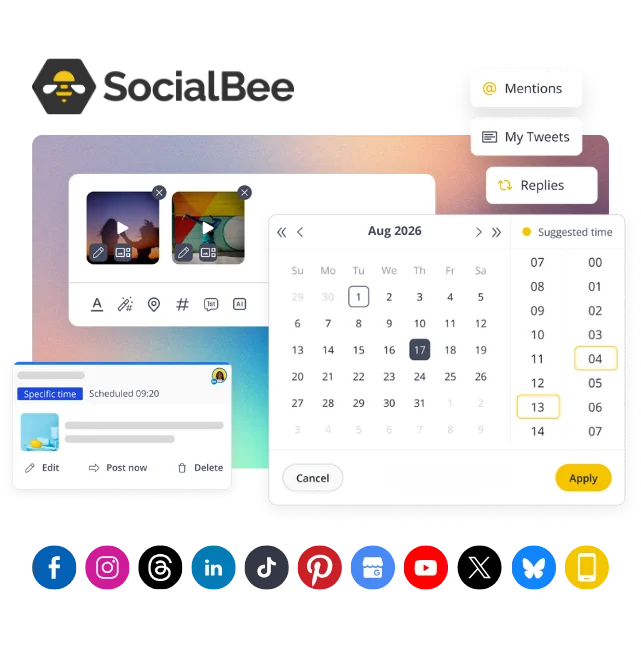
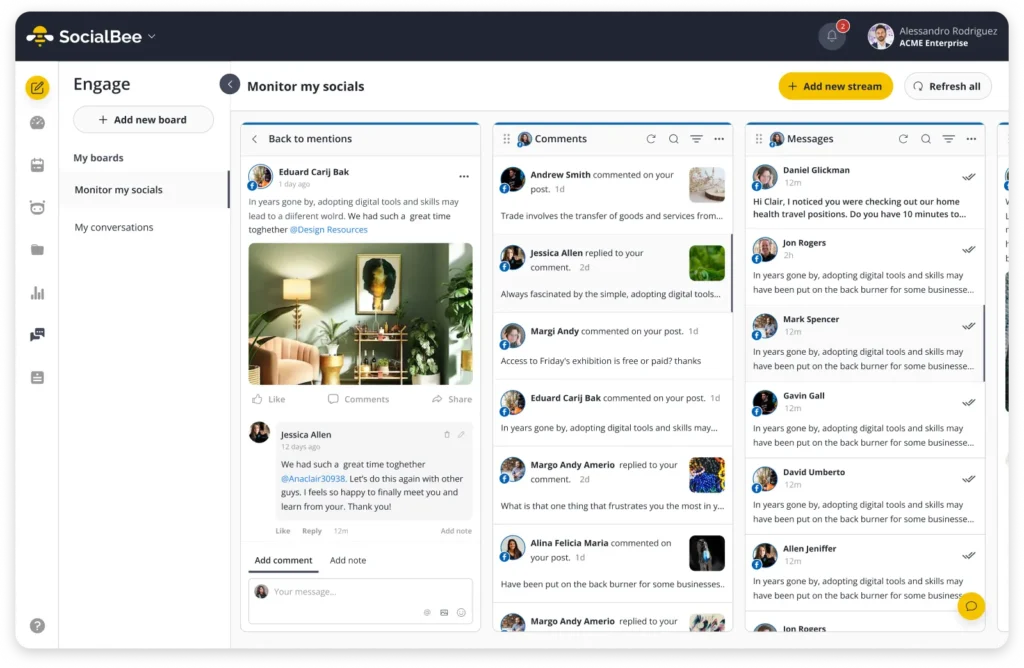
If social media is part of your co-branding strategy, SocialBee can help you manage the campaign from one place. You can create content, schedule and publish posts across multiple platforms, and analyze performance without managing each social account separately.
Ready to put your co-branding campaign into action? Start your 14-day SocialBee trial.