People are more likely to trust recommendations from creators they follow than polished messages from brands.
In fact, 61% of consumers say they trust influencer recommendations, compared with 38% who trust brands’ social media posts.
That makes influencer partnerships a useful way to reach people through voices they already know and pay attention to.
In this article, we’ll look at the main influencer marketing trends, the challenges brands need to watch for, and practical ways to find the right creators and build stronger campaigns.

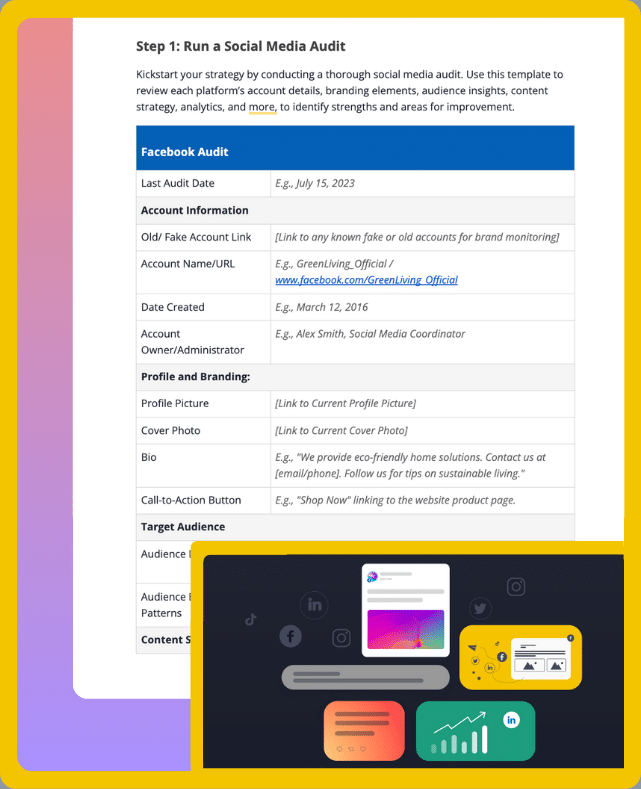
A. How to Set Objectives for Your Influencer Campaign
Before you choose influencers, decide what you want the campaign to achieve.
Clear goals make it easier to choose the right creators, plan the content, and measure the results later.
Common influencer marketing objectives include:
- Increase brand awareness: Reach more people who fit your target audience. For example, a skincare brand might work with beauty creators on product tutorials.
- Support a product launch: Build interest around a new product. A tech brand, for instance, could partner with creators to review or demonstrate a new device.
- Improve brand image: Work with influencers whose values and style match how you want your brand to be seen.
- Drive sales and conversions: Use affiliate links, promo codes, or clear calls to action to encourage purchases.
- Reach new audiences: Partner with creators who already connect with groups your brand has struggled to reach.
- Increase social media engagement: Use collaborations, giveaways, or interactive content to encourage more comments, shares, and other interactions.
Once you choose the main objective, connect it to a specific metric. For example, track reach for brand awareness, clicks for traffic, or conversions for sales.
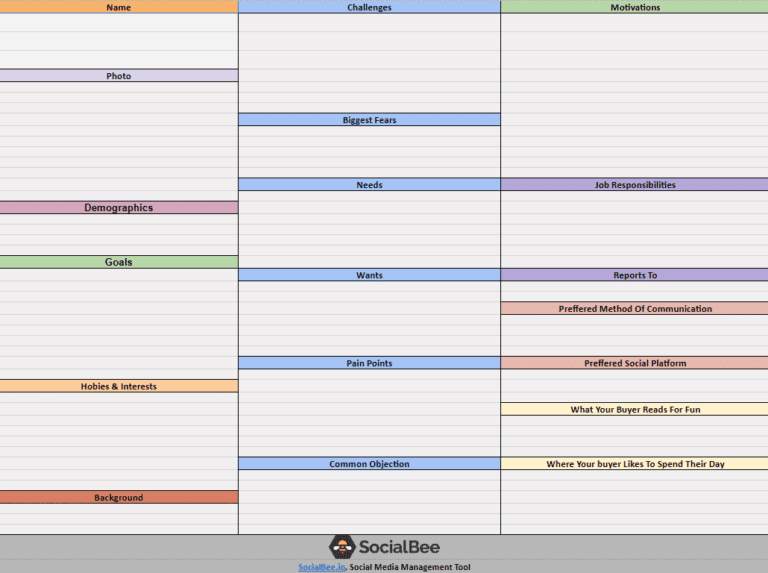
B. How to Build a Buyer Persona
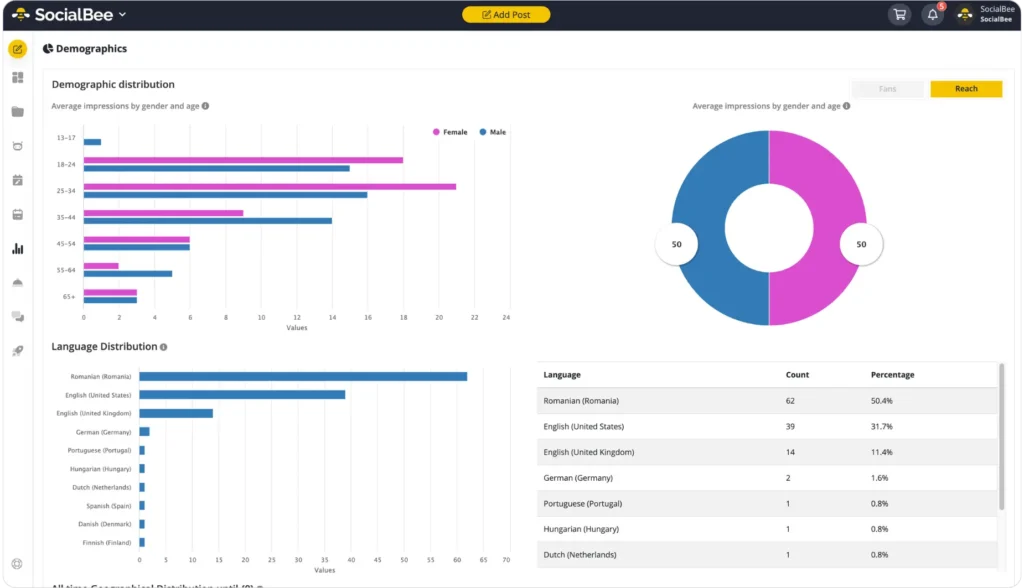
A buyer persona helps you understand who you want to reach and what matters to them.
That makes it easier to choose influencers whose audience is a good match for your brand.
To build a useful buyer persona:
- Collect demographic data: Look at details such as age, gender, location, and income. Use customer data, social media analytics, and market research as a starting point.
- Identify interests and lifestyle: Learn what your audience cares about, which platforms they use, and what type of content they follow.
- Understand pain points: Identify the problems or needs your product or service can help with.
- Look at content preferences: Check whether your audience responds more to tutorials, reviews, stories, quick tips, or other formats.
- Understand how they make decisions: Consider what influences a purchase, what information they look for, and who they trust.
- Create a clear persona profile: Bring these details together into a simple profile your team can use when planning influencer campaigns.
With a clearer picture of your ideal customer, compare that profile with an influencer’s audience. The closer the match, the more relevant the partnership is likely to be.
2. Leverage Social Listening Tools
Social listening can help you find influencers who are already talking about your brand, competitors, or industry.
By tracking mentions, keywords, hashtags, and trends, you can spot creators who are active in relevant conversations and already have the attention of your target audience.
Here are some tools that can help:
| Tool | What it helps with |
| SocialBee | Tracks brand mentions and helps you spot relevant conversations and potential influencers. |
| Brand24 | Monitors mentions across social media, news, blogs, videos, forums, podcasts, reviews, and more. |
| Brandwatch | Tracks mentions across the web, analyzes sentiment, and helps identify influencers in specific niches. |
| BuzzSumo | Helps with content and influencer research by showing widely shared content and the people promoting it. |
| Mention | Tracks brand, competitor, and keyword mentions across social media and the web in real time. |
| Keyhole | Focuses on hashtag and keyword tracking, which can help uncover trending topics and influential voices. |
| Talkwalker | Monitors conversations across social media, news, blogs, and forums, while also providing audience and content insights. |
After identifying a few potential creators, take a closer look at the conversations they join, the topics they cover, and how their audience responds.
That will help you narrow the list to influencers who genuinely fit your brand, rather than choosing someone based on follower count alone.
3. Analyze Competitor Collaborations
Look at which influencers your competitors already work with.
This can help you find creators who know your industry and already speak to people interested in similar products or services.
However, don’t copy a competitor’s influencer list without checking the fit first. Make sure the creator’s audience, values, and content style also match your brand.
It’s also worth checking whether they have an ongoing partnership with a direct competitor, since that may make a collaboration less suitable.
4. Engage with Industry-Specific Communities
Another good place to find influencers is inside the communities your audience already follows.
Pay attention to social media groups, forums, and other online spaces related to your industry. Creators often stand out because they contribute regularly, answer questions, or lead useful discussions.
By following these conversations, you can spot people who are already respected in your niche and may be a natural fit for future campaigns.
5. Conduct Hashtag Research
Hashtags can help you find creators who are already posting about topics related to your brand.
Search for industry, niche, and campaign-specific hashtags, then look at who appears regularly in those conversations. This can help you spot both established influencers and smaller creators with an active, relevant audience.
Hashtags are especially useful on:
- Instagram: Good for finding creators around specific topics, interests, and niches.
- X: Useful for following trends, industry conversations, and people who post regularly about a topic.
- TikTok: Helps surface creators taking part in trends, challenges, and niche conversations.
- LinkedIn: Useful for finding professionals, thought leaders, and industry-focused creators.
When a creator catches your attention, go beyond the hashtag itself. Check the quality of their content, how their audience responds, and whether their style fits your brand.
5 Top Influencer Marketing Trends to Watch
Influencer marketing keeps changing.
Right now, brands are paying more attention to smaller creators, video, diversity, long-term partnerships, and user-generated content.
Here are five trends to watch:
- The rise of nano and micro-influencers
- More video content
- A stronger focus on diversity
- Long-term influencer partnerships
- The growth of user-generated content creators
1. The Rise of Nano and Micro-Influencer Marketing
Nano and micro-influencers are becoming more important because they often have closer relationships with their audiences.
Their smaller communities can make interactions feel more personal. As a result, followers may be more likely to trust their recommendations.
Jeriel Melgares is one example. He creates fashion and lifestyle content for almost 14K Instagram followers, with a focus on relaxed and street-inspired style.

He has also worked with brands such as 1017 ALYX 9SM and Every Man Jack.
For brands, nano and micro-influencers can offer several benefits:
- Closer audience relationships: Smaller creators often interact more directly with followers, which can build stronger trust and engagement.
- Lower costs: These partnerships can be more affordable, so brands may be able to work with several creators instead of one larger influencer.
- More natural recommendations: Sponsored content can feel more personal because it fits more closely with the creator’s usual style.
- Better niche targeting: Smaller creators often focus on specific topics, which helps brands reach more relevant groups.
Because of this, nano and micro-influencers can be a strong choice when audience fit matters more than follower count.
2. Video Content as a Growing Trend
Video continues to play a major role in social media marketing.
According to NogenTech, 91% of marketers use video content on social media.
Brands are also using influencers to make that video content feel more native to each platform. For example, Netflix worked with NeoReach to promote a new season of Cobra Kai through creator content.

If you want to use more video in your influencer campaigns, focus on a few things:
- Choose creators who are strong on video: Look at how they speak on camera, how their videos are edited, and how viewers respond.
- Pay attention to platform behavior: Social media algorithms treat video differently across Instagram, TikTok, and YouTube, so format and timing matter.
- Adapt the content to each platform: Short, fast videos may fit TikTok or Reels, while longer videos work better on YouTube.
- Think beyond the feed: Video can also appear in search results, especially for tutorials, reviews, and how-to content.
The key is not to make one video and post it everywhere. Instead, shape the content around how people use each platform.
3. Focus on Diversity
Representation matters more in influencer marketing than it used to.
People want to see creators who reflect different backgrounds, identities, and experiences. Because of that, brands are paying more attention to who they include in campaigns and how those partnerships are presented.
Sephora is one example.
Through its #SephoraSquad program, the brand has looked for ambassadors from a wide range of backgrounds.

The group has included creators from different ethnicities, age groups, genders, nationalities, and sexual orientations.
For example, Sephora has worked with non-binary YouTuber Kevin Ninh, acne positivity advocate Kali Kushner, and hijab-wearing beauty influencer Aisha Mohamud.
The takeaway is simple: a more diverse creator mix can help brands represent a wider range of customers and make campaigns feel more relevant to the people they want to reach.
4. Long-Term Partnerships With Influencers
One-off campaigns can work, but longer partnerships often give influencers more time to understand your brand.
They also make the relationship feel more consistent to the audience. Because of that, many brands are moving toward ongoing collaborations instead of single sponsored posts.
Here are a few ways to build stronger long-term partnerships:
- Turn strong partners into brand ambassadors: If a campaign works well, consider extending the relationship so the influencer can represent your brand more regularly.
- Offer early access: Give long-term partners a first look at new products, services, or experiences.
- Create content together: Work with influencers on co-created content, product launches, content series, or other shared ideas.
- Keep communication open: Share feedback, answer questions, and make sure expectations are clear on both sides.
- Reward long-term partnerships: Performance bonuses, exclusive opportunities, or added visibility can give creators a reason to stay involved.
Vitamin A offers a good example.
The swimwear brand partnered with Instagram influencer Halley Elefante (@TheSaltyBlonde) on a giveaway for a collaborative collection.

The campaign led to a longer relationship between the brand and the creator.
That kind of continuity can help sponsored content feel more natural over time because the influencer becomes more familiar with the brand and its products.
5. The Rise of User-Generated Content Creators
User-generated content is becoming a bigger part of influencer marketing.
In fact, more than 80% of companies use UGC in their marketing.
UGC creators produce content that looks and feels like a real customer experience. Brands can then get permission to reuse that content on their own social media, website, or other marketing channels.
This gives brands a more relatable way to show how a product looks or works in real life.
Here’s an example of UGC content:

If you want to use more UGC, keep these tips in mind:
- Encourage customers to share: Ask people to post about their experience with your product. Contests, discounts, or features on your brand account can give them an extra reason to take part.
- Ask for permission: Always get approval from the original creator before reusing their content.
- Reuse UGC across channels: Share strong customer content on social media, your website, or in email campaigns.
- Create a branded hashtag: A simple hashtag can make it easier to find posts connected to your brand.
- Highlight real customer experiences: Showing different people using your product can make your content feel more credible and relatable.
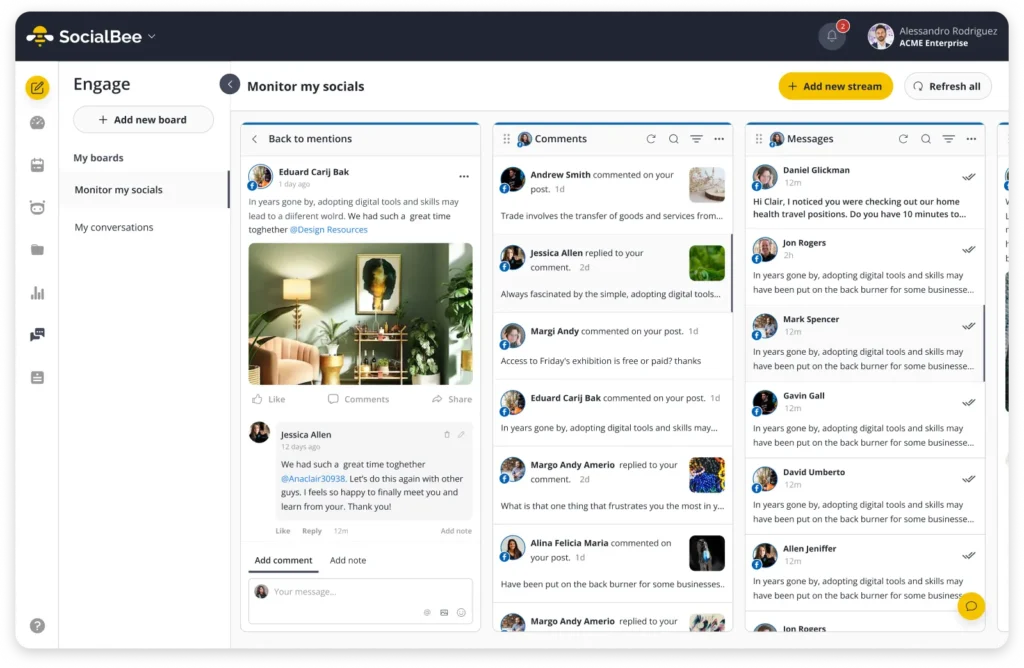
- Monitor brand mentions: Tools like SocialBee’s Engage Module can help you spot customer posts and mentions that may be worth responding to or resharing.