

Mastodon vs Bluesky comes down to two different approaches to decentralized social media. Both platforms offer an alternative to X (formerly Twitter) and give users more control over their social media experience, but they differ in how accounts work, how communities are organized, how content is discovered, and how much control users have over the network itself.
Bluesky has grown quickly as the newer platform, reaching 45 million registered users by June 2026. Mastodon is spread across thousands of independent servers, which makes its total audience harder to measure consistently. One current tracker counts more than 18 million accounts across roughly 10,400 Mastodon instances, with about 1.4 million active in the past month.
So, while the two platforms may look like similar microblogging platforms at first, the experience of joining, finding people, managing your feed, moderating content, and moving your account can be very different.
In this guide, we’ll break down the key differences between Bluesky and Mastodon so you can decide which decentralized platform makes more sense for you or your business.

What is Mastodon?
Mastodon is an open-source, decentralized social media platform created by German developer Eugen Rochko in 2016. Like X (formerly Twitter), it’s built around public posts, replies, follows, and conversations. The big difference is that Mastodon, like other decentralized networks, isn’t one website run by a single company.
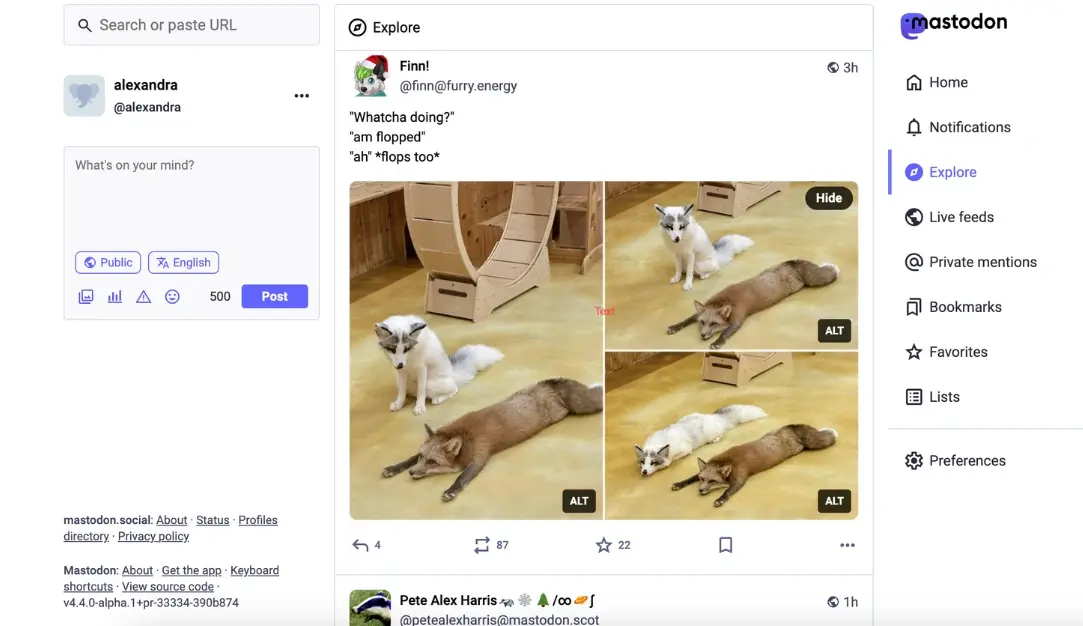
Instead, Mastodon is made up of independent communities called servers, or instances. Each Mastodon instance is run by its own administrators and can set its own moderation rules, community guidelines, and registration policies. These servers connect through the ActivityPub protocol, allowing users on different instances to follow and interact with one another as part of the wider fediverse.
Think of it a little like email: you might have a Gmail account and your friend might use Outlook, but you can still communicate. On Mastodon, you might join a server focused on technology while someone else joins one for artists, yet you can still follow each other and interact with public posts.
Another important feature is account portability. If you decide that your current Mastodon server isn’t right for you, you can move to another one and bring your followers with you. Your old posts and media don’t transfer, so moving servers isn’t completely seamless, but you don’t have to rebuild your network from zero.
“Social media should be built on protocols, not platforms. And people should be able to choose freely between different platforms and also be able to move between them,” says Mastodon Founder and Strategy & Product Advisor and former CEO Eugen Rochko.
Mastodon initially attracted plenty of developers, privacy advocates, and tech enthusiasts, but it gained much wider attention as people started looking for an alternative to their Twitter account. One of its biggest growth periods came after Elon Musk acquired Twitter in 2022, when Mastodon reported that its monthly active users had jumped from roughly 300,000 to 2.5 million between October and November.
The organization behind Mastodon has changed too. It established a US non-profit in 2024 and announced in 2025 that it would transfer ownership of key Mastodon assets to a new European non-profit structure. The goal is to make sure Mastodon isn’t ultimately controlled by one individual. Founder Eugen Rochko later stepped away from the CEO role to focus on product and strategy.
That non-profit approach is an important difference from many mainstream social media platforms. Mastodon doesn’t rely on advertising or selling user data to fund the core project. However, individual servers are independently operated, so how they’re funded and managed can vary depending on which Mastodon instance you join.
What is Bluesky?
Bluesky is a social media platform with a decentralized system built on the AT Protocol, an open protocol designed to give users control over their identity, data, feeds, and overall social media experience.
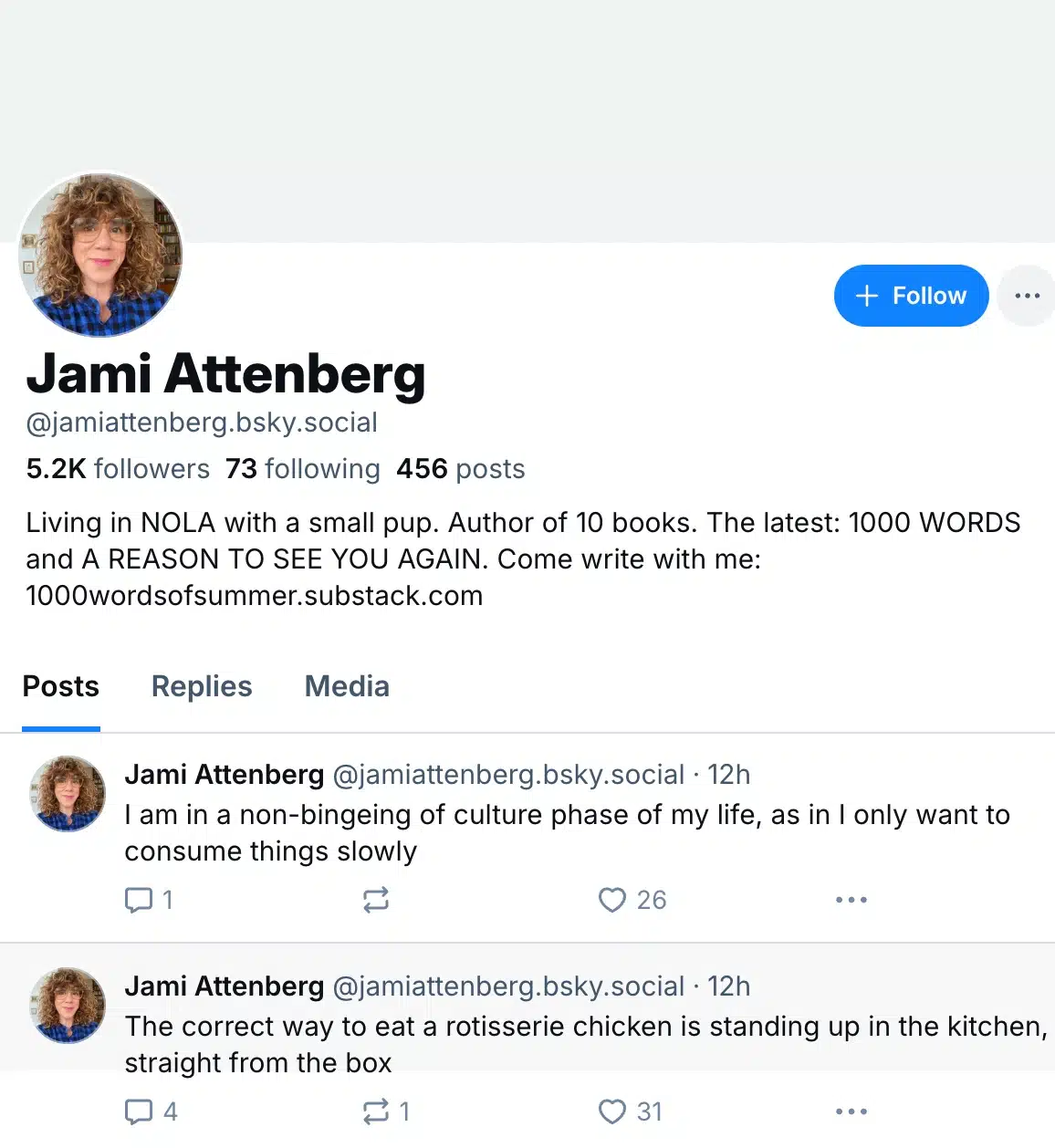
The project started inside Twitter in 2019, when Twitter announced that it would fund an effort to develop an open, decentralized standard for social media. Jay Graber was chosen to lead Bluesky in 2021, and the project later became an independent company.
The Bluesky app began as an invite-only beta before opening to everyone in February 2024. At the time, it had around three million users. By the end of that year, that number had climbed to more than 25.9 million.
Bluesky also reached an important milestone in February 2024 when the AT Protocol network began federating. This means users and developers can run their own Personal Data Servers rather than relying entirely on Bluesky to host their information.
“Our goal was to make social media work more like the open systems that defined the early web, like blogs and email,” says Rose Wang, COO of Bluesky.
That structure also supports data portability. Your identity, posts, follows, and other account data are designed to move between compatible hosting providers, so changing hosts doesn’t mean abandoning your existing social identity and starting again.
The app itself has developed quickly too. During 2024, Bluesky introduced direct messages, Starter Packs, video sharing, hashtags, trending topics, and independent moderation tools. It added another layer of identity protection in 2025 with verification badges and Trusted Verifiers, alongside its existing domain-based handles.
Bluesky continued growing throughout 2025, going from 25.94 million to 41.41 million users, an increase of almost 60%, according to its 2025 Transparency Report.
There have also been some big changes behind the scenes. In March 2026, Jay Graber stepped down as CEO to become Chief Innovation Officer, shifting her attention back toward developing open social infrastructure. Toni Schneider became permanent CEO in July 2026.
Unlike Mastodon’s non-profit model, Bluesky is an independent, venture-backed company which is now a Twitter alternative. In 2026, it revealed that it had raised a $100 million Series B the previous year. By then, it had grown to more than 43 million global Bluesky users and that more than 1,000 apps built on the AT Protocol were being used every week.
Mastodon vs Bluesky: How do the social media platforms differ?
Bluesky and Mastodon do things differently when it comes to how they work.
On Mastodon, your experience depends a lot on which server you join. Your username is tied to that server, and your server influences things like moderation, discovery, and which parts of the fediverse it already knows about.
Bluesky doesn’t work that way; it’s all about the feeds and accounts you follow, not the server. Bluesky is designed to let you move your identity and public account data between compatible hosts without starting over.
These are the differences and similarities between Mastodon and Bluesky:
- Mastodon accounts are tied to servers, while Bluesky offers a more unified signup experience
- Mastodon communities form around servers, while Bluesky communities form around feeds and interests
- Bluesky offers more control over feeds and content recommendations
- Content discovery works differently on Mastodon and Bluesky
- Mastodon and Bluesky support different post formats
- Mastodon gives businesses more control over who can see individual posts
- Moderation works differently on Mastodon and Bluesky
- Verification and brand identity work differently on Mastodon and Bluesky
- Moving an account works differently on Mastodon and Bluesky
- Mastodon and Bluesky offer different engagement features
- Private conversations work differently on Mastodon and Bluesky
- Content scheduling works differently on Mastodon and Bluesky
1. Mastodon accounts are tied to servers, while Bluesky offers a more unified signup experience
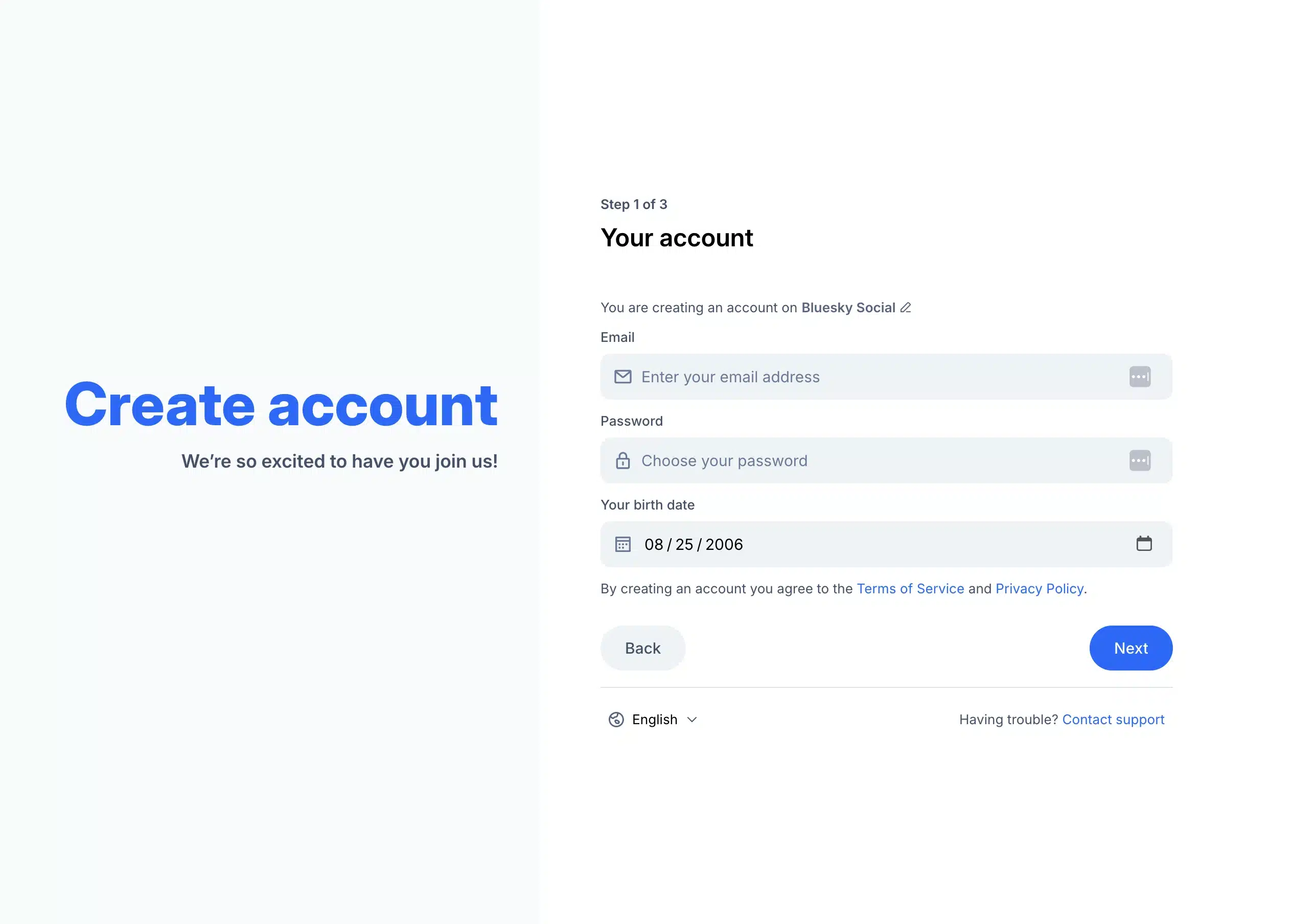
The first difference you’ll notice between Mastodon and Bluesky appears before you publish anything: creating an account works differently.
On Mastodon, you need to choose a server, also called an instance, to host your account. Each server is operated independently and can have its own topic, community, signup process, and moderation rules. Some allow anyone to register, while others require an invitation or approval from an administrator.
Your Mastodon username also includes your server’s domain, so it looks something like @[email protected]. Mastodon’s signup documentation compares the process to choosing an email provider.
Choosing a Mastodon server doesn’t limit you to that community. You can still follow and interact with people on other instances across the federated network. However, your server remains your service provider, hosting your account, profile, and home feed. Mastodon also lets users self-host if they want full control over their server, and creating an account on mastodon.social lets you follow anyone in the fediverse, regardless of server.
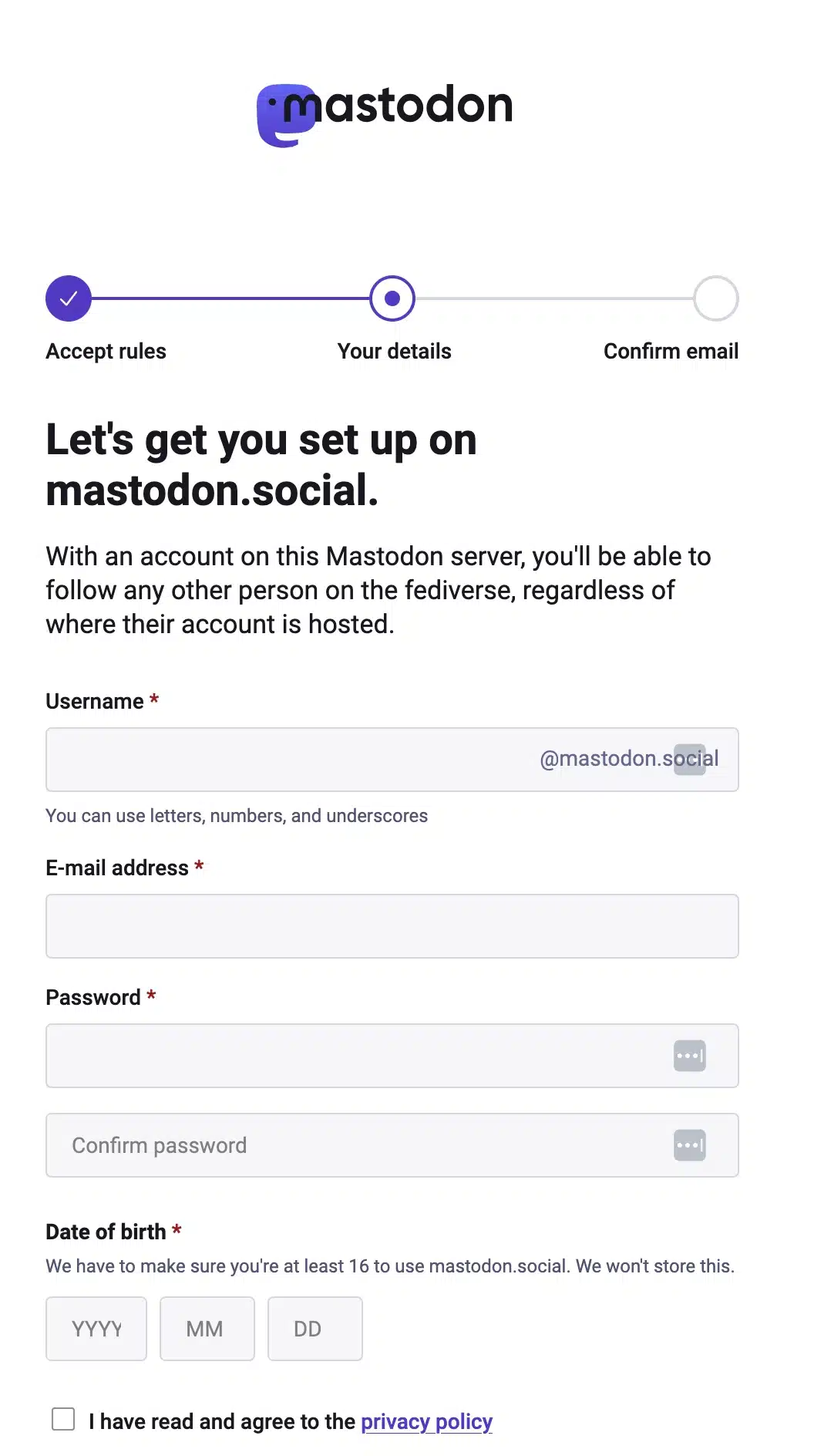
Mastodon is working to make this choice less intimidating for new users. In February 2026, the company announced experiments with default server recommendations, starting with suggestions based on factors such as location and language.
Bluesky feels more like signing up for a traditional social media platform. Most users can create an account through the Bluesky app without first researching and choosing a community server. The AT Protocol still supports different hosting providers and self-hosting, but that infrastructure is much less prominent in the everyday signup experience.
2. Mastodon communities form around servers, while Bluesky communities form around feeds and interests
The server you choose on Mastodon can also shape the community around your account.
Some Mastodon instances are general-purpose, while others focus on community members with particular professions, interests, locations, or groups. Mastodon’s own server directory includes categories such as journalism, technology, academia, activism, LGBTQ+, gaming, and regional communities.
Mastodon explains that some providers specifically host accounts from particular communities, although Mastodon users can still follow anyone across compatible Mastodon servers.
For a business, joining a relevant niche instance can put you closer to people already interested in your industry. However, your audience isn’t restricted to your server. If someone on another instance follows your account, your posts can appear in their Mastodon feed just like posts from someone on their own server.
Bluesky doesn’t organize its social experience around the host you use. Communities are more likely to form through accounts, conversations, custom feeds, Starter Packs, and shared interests. A photographer, for example, doesn’t need to join a photography-specific Bluesky instance to participate in that community.
This makes the trade-off fairly clear: Mastodon makes the community part of where you create your account, while Bluesky separates community discovery from account hosting.
3. Bluesky offers more control over feeds and content recommendations
The two platforms also take different approaches to what appears in your feed.
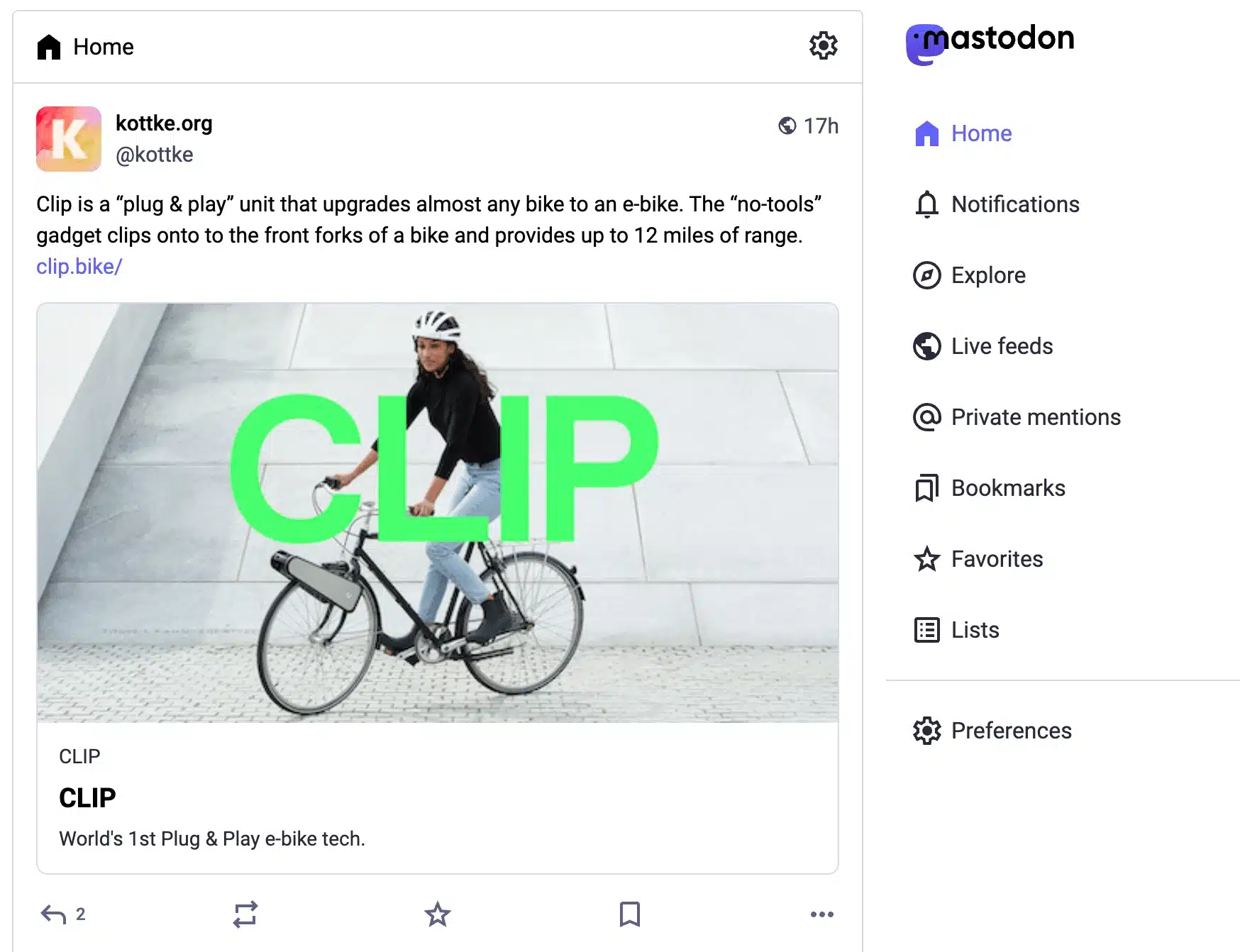
Mastodon’s main Home feed is chronological and contains posts from accounts you choose to follow across the network. Mastodon explicitly positions this as an alternative to algorithmic timelines: you follow the accounts you want and receive their posts in chronological order.
Bluesky gives users more options. Alongside feeds such as Following and Discover, users can subscribe to custom feeds built around particular interests, communities, or recommendation systems. These aren’t simply topic filters. Developers can create different algorithms for deciding which posts appear and in what order.
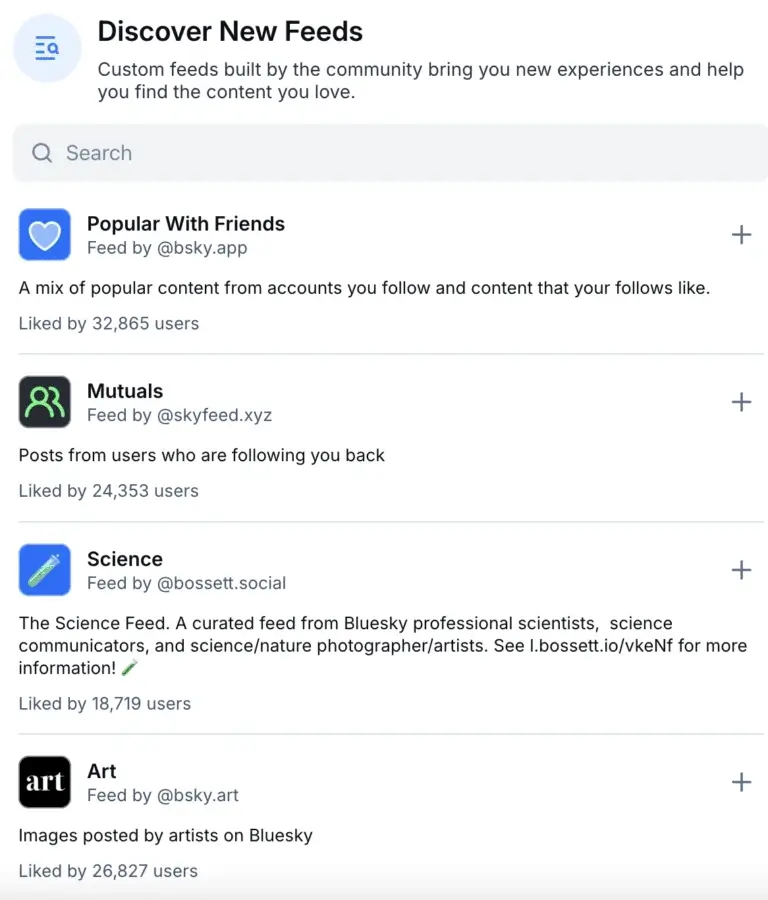
Bluesky considers custom feeds one of its main differentiators and said in its 2026 product roadmap that it plans to make them even more central to discovery, including around live events and real-time conversations.
For businesses, that creates two different approaches to reach. Mastodon puts more emphasis on earning followers who deliberately add you to their chronological feed. Bluesky gives content more ways to reach users beyond your existing followers through Discover and community-built feeds.
4. Content discovery works differently on Mastodon and Bluesky
Beyond the feeds themselves, Mastodon and Bluesky give users different ways to find new accounts and conversations.
On Mastodon, discovery depends partly on what your server knows about the wider federated network. Users can browse Explore, hashtags, profile directories, Collections, and public timelines, but search results can vary between servers.

Mastodon’s documentation notes that accounts and hashtags are searchable by default, while broader post search depends on the server’s search configuration and whether authors have opted to make their public posts indexable. Mastodon’s search documentation explains these limitations in more detail.
Bluesky offers a more centralized discovery experience within its main app. Users can find accounts and conversations through search, trending topics, Starter Packs, Discover, and the custom feeds we covered earlier. This makes discovery less dependent on which host your account happens to use.
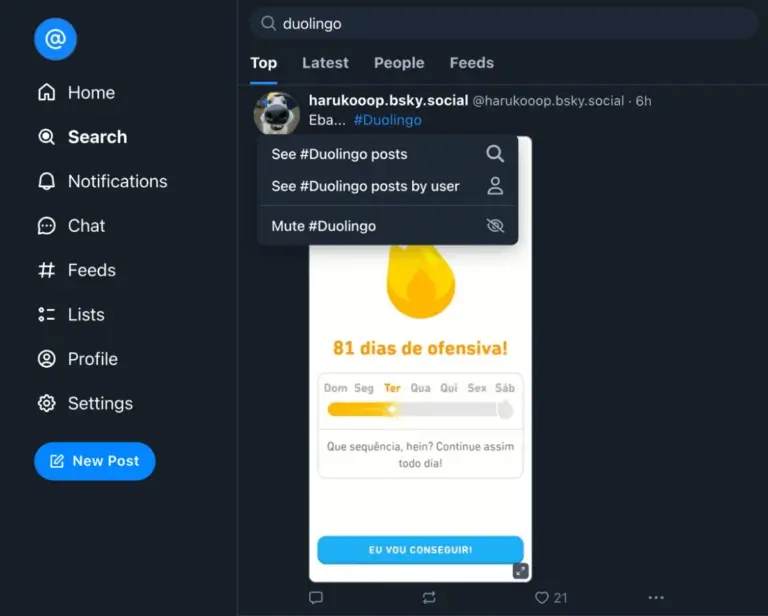
For a business, the practical difference is that Bluesky gives you more built-in opportunities to reach people who don’t already follow you, while discoverability on Mastodon can depend more heavily on hashtags, follows, boosts, and the part of the federated network your server can see.
5. Mastodon and Bluesky support different post formats
Both platforms cover the basics, but Mastodon currently gives users a few publishing controls that Bluesky doesn’t.
Mastodon posts have a 500-character limit by default, although individual servers can change that limit. Posts can include images, video, audio, polls, links, mentions, hashtags, and custom emoji. Mastodon also supports content warnings, which let you place text or media behind a warning that people can choose to expand.

Bluesky’s content guidelines keep posts shorter at 300 characters and support text, images, video, GIFs, links, mentions, and hashtags. Unlike Mastodon, it doesn’t currently offer native polls.

For businesses, the biggest differences aren’t really the character counts. Mastodon’s polls give you an extra way to structure a post, while Bluesky keeps the publishing experience relatively simple.
6. Mastodon offers more control over individual post visibility
Mastodon gives you more control over who can see each post you publish.
You can make a post public, keep it out of some discovery surfaces, restrict it to followers, or limit it to mentioned users. You can also choose a default visibility setting for future posts and change it whenever a particular update needs a different audience.
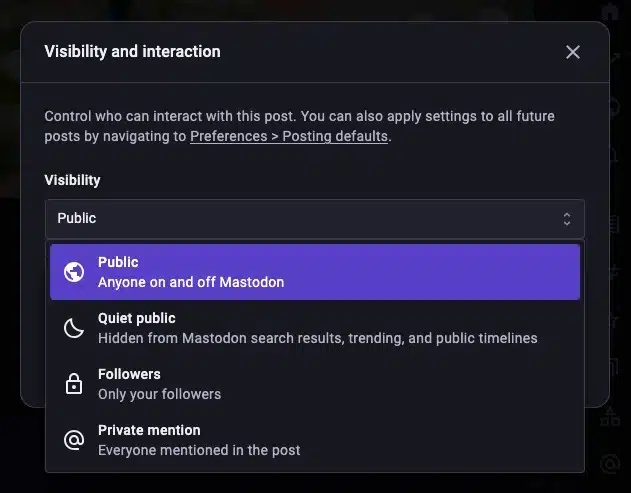
Bluesky settings don’t offer the same post-by-post visibility options. Posts are primarily public, with separate controls for who can interact with you and what content appears in your experience.
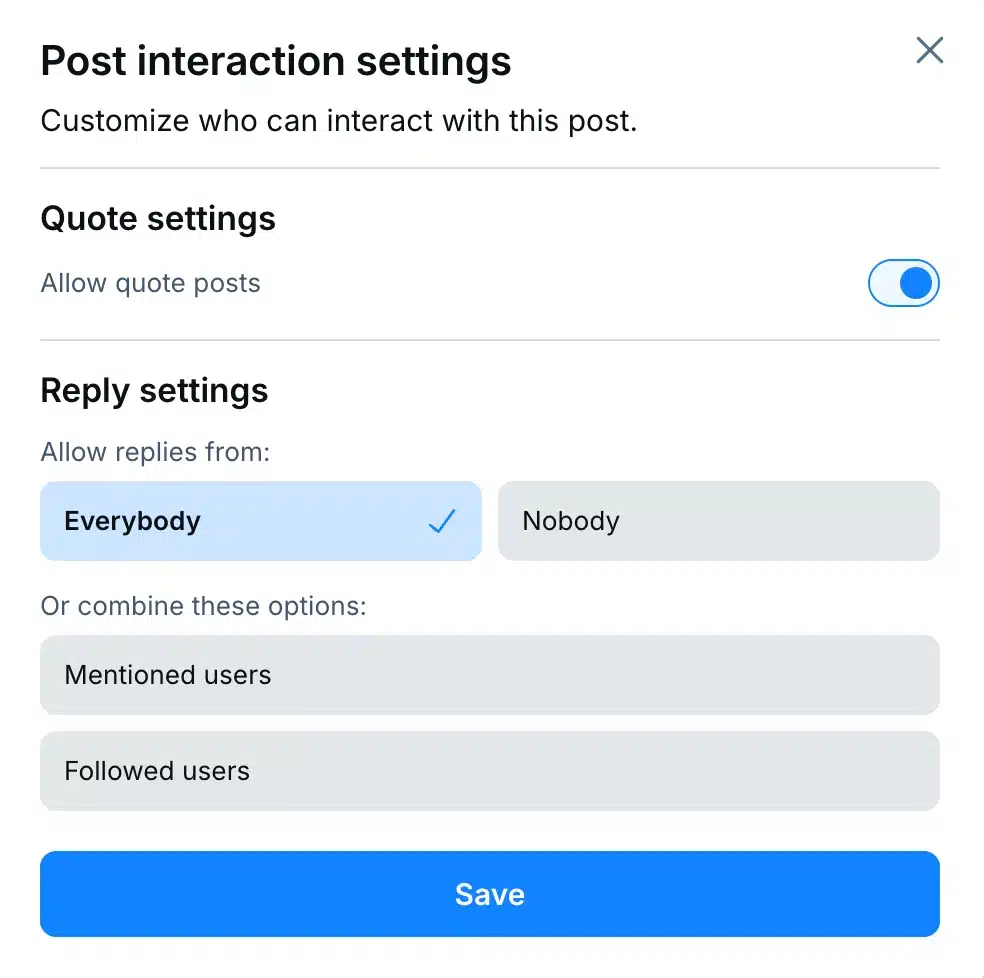
For businesses, Mastodon offers more flexibility when not every update needs the same reach. You might publish an announcement publicly, for example, while limiting a more community-focused conversation to existing followers.
7. Moderation works differently on Mastodon and Bluesky
Mastodon puts much of its moderation power in the hands of individual servers. Each Mastodon instance sets its own rules, and administrators can moderate accounts, limit other servers, or suspend federation with them entirely. Individual users can also block an entire server if they don’t want to see or interact with accounts from it.
This makes your choice of Mastodon instance important. If another server blocks the one hosting your business account, for example, your ability to reach and interact with that community can be affected.
Bluesky combines platform-wide moderation with more customizable user-level controls. Users can subscribe to independent moderation services, or labelers, which identify particular types of content and let users decide whether those posts should be shown, warned about, or hidden. Bluesky calls this approach stackable moderation. Its open-source Ozone tool also allows developers and organizations to create their own moderation services.
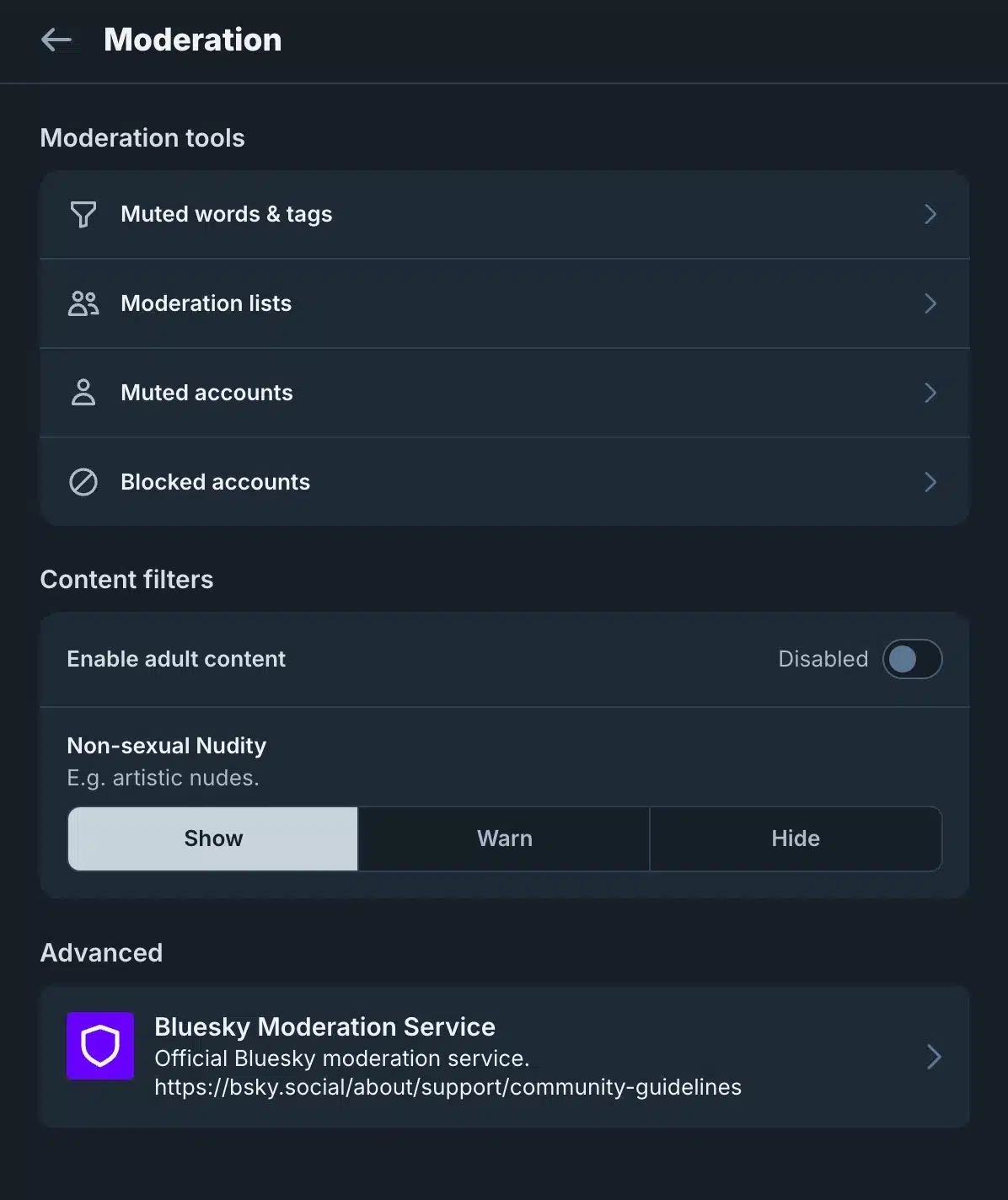
The main difference is where that control sits. Mastodon distributes much of it across servers and their administrators, while Bluesky provides a baseline moderation system and lets individual users add additional moderation layers on top of it.
8. Verification and brand identity work differently on Mastodon and Bluesky
For businesses, the two platforms also provide different ways to connect a social profile to an official web presence.
Mastodon doesn’t use a traditional blue-check verification system. Instead, you can add links to your profile and verify that you control the linked website by adding a rel=”me” backlink from that site to your Mastodon profile. Mastodon then visually marks the profile link as verified.
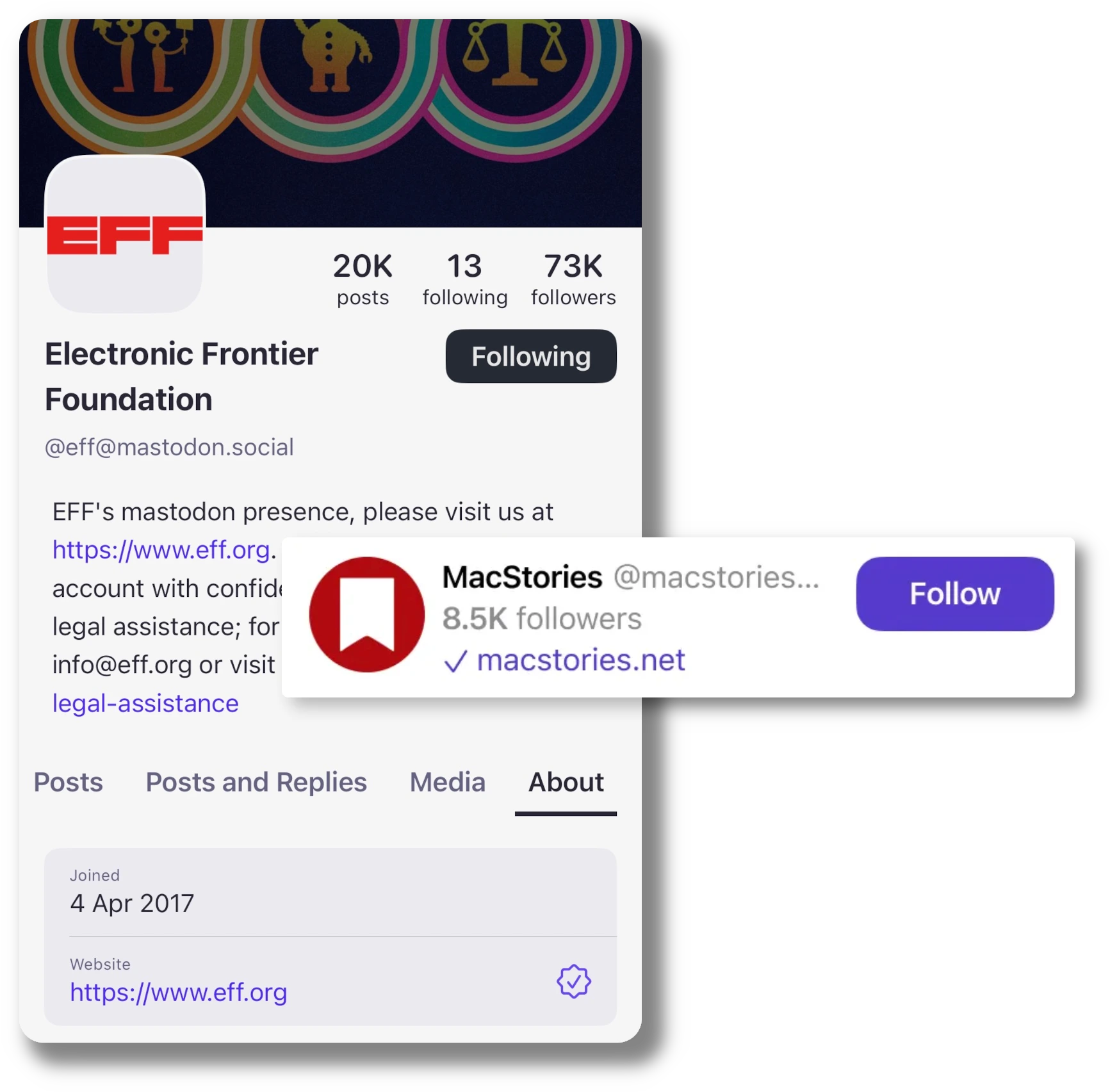
Bluesky offers several layers of identity verification. Businesses can use a domain they own as their Bluesky username, such as @company.com, directly connecting the account to their web identity. By the end of 2025, more than 309,000 Bluesky accounts were using domain handles this way.
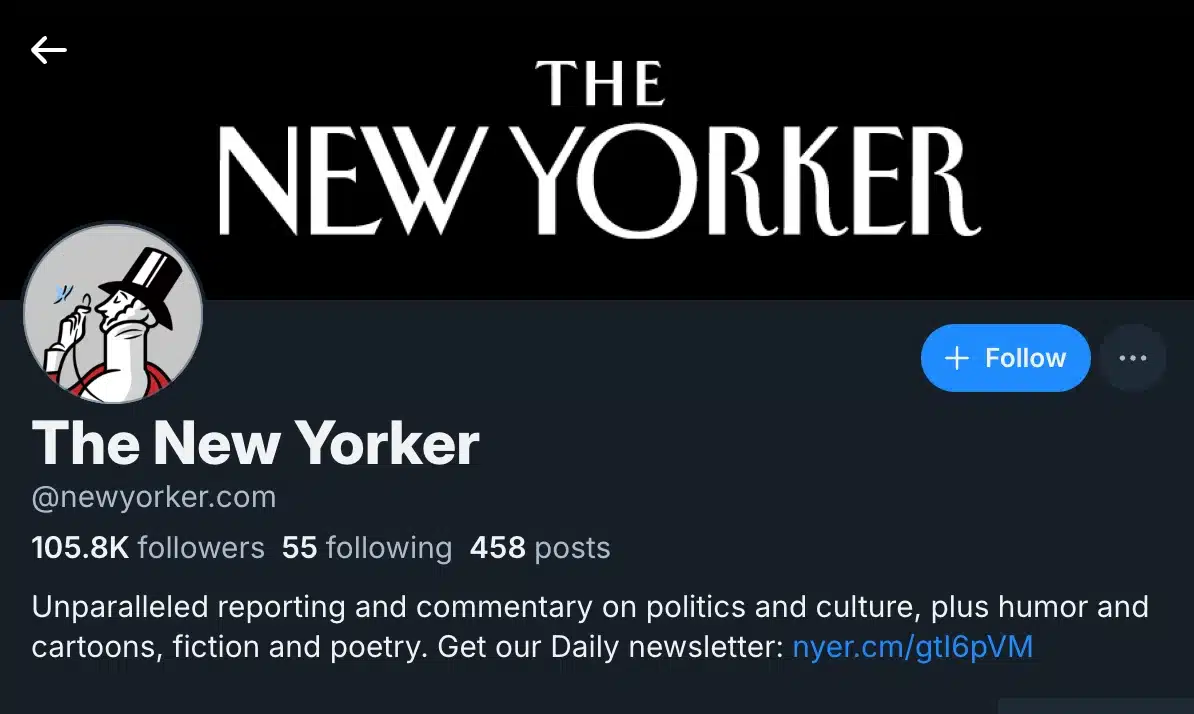
Since 2025, Bluesky has also offered recognizable verification badges. Bluesky can verify notable accounts itself, while approved Trusted Verifiers, such as news organizations, universities, and other institutions, can verify accounts associated with them. Bluesky introduced the system in April 2025.
9. Moving an account works differently on Mastodon and Bluesky
Both platforms let you move away from your current host, but what actually comes with you is different.
On Mastodon, you first create an account on the new server and then migrate your existing account. Your followers can move with you, and your old profile will redirect people to the new one. You can also export and import information such as follows, lists, blocks, and mutes. However, your previous posts and media stay behind. As Mastodon’s account migration documentation explains, you can download an archive of your posts, but you can’t import them into the new account.
Bluesky goes further with data portability. The AT Protocol lets you move your account between Personal Data Server (PDS) hosts while keeping the same identity and public data. In 2025, Bluesky also made it possible for users who had left Bluesky’s PDS to migrate back.
Account migration on Bluesky is still fairly technical, so it’s unlikely to be something most businesses use regularly. The important difference is simpler: Mastodon lets you take your followers and some account data to a new server, while Bluesky is designed to let you move the account itself, including its identity and public content.
10. Mastodon and Bluesky offer different engagement features
Both platforms cover familiar interactions such as replies, reposts, and likes, although Mastodon uses the terms boosts and favorites instead.
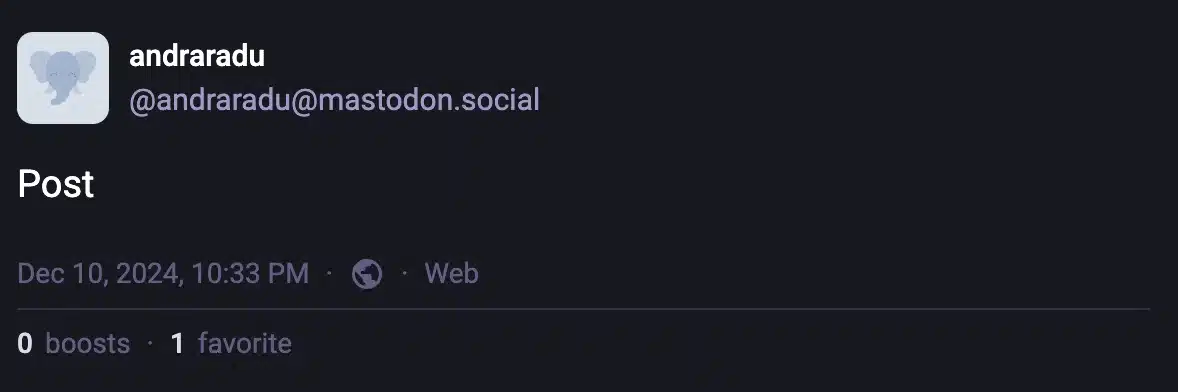
One difference is how they handle quote posts. Mastodon added native quote posts in version 4.5 and gives users control over who can quote them. You can allow quotes from everyone, followers only, or nobody, and you can remove your post from someone else’s quote if needed.
Bluesky accounts also support likes, replies, reposts, quote posts, and bookmarks, but don’t offer the same quote permissions.

For a business, this means Mastodon gives you a little more control over how your posts are reshared and discussed, particularly when you’re publishing something you don’t want taken out of context through quote posts.
11. Private conversations work differently on Mastodon and Bluesky
Mastodon and Bluesky both let users communicate privately, but Mastodon’s approach is quite different from the DMs you may be used to on other social media platforms.
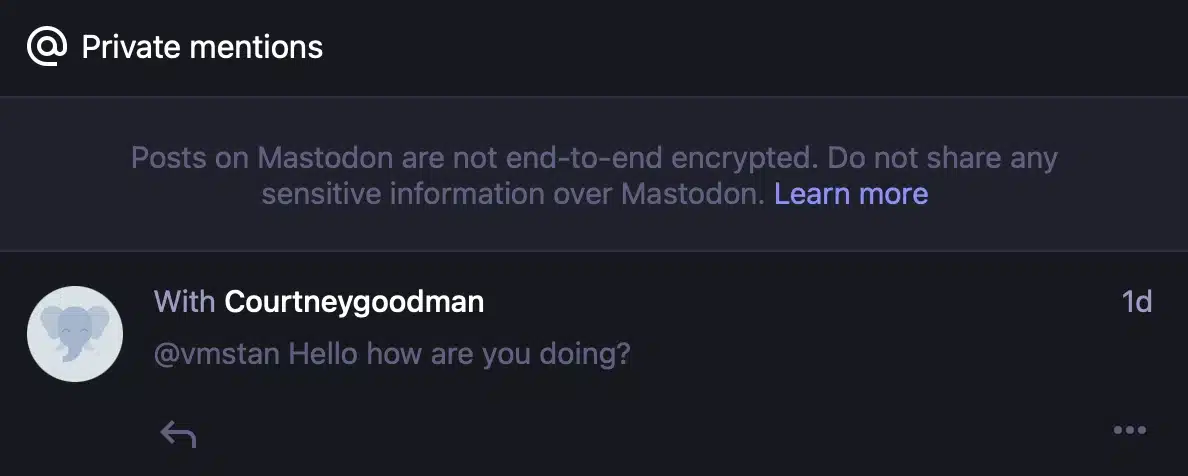
On Mastodon, you can send a Private mention, which is essentially a post that’s only visible to the people you mention. It won’t appear in public timelines and can’t be boosted. However, these conversations aren’t encrypted, and Mastodon warns that server administrators may be able to access them, so you shouldn’t use them to share sensitive information.
Bluesky has a more familiar Chat inbox. It started with one-to-one DMs in 2024 and has since expanded to include group chats. Users can also control who is allowed to message them.
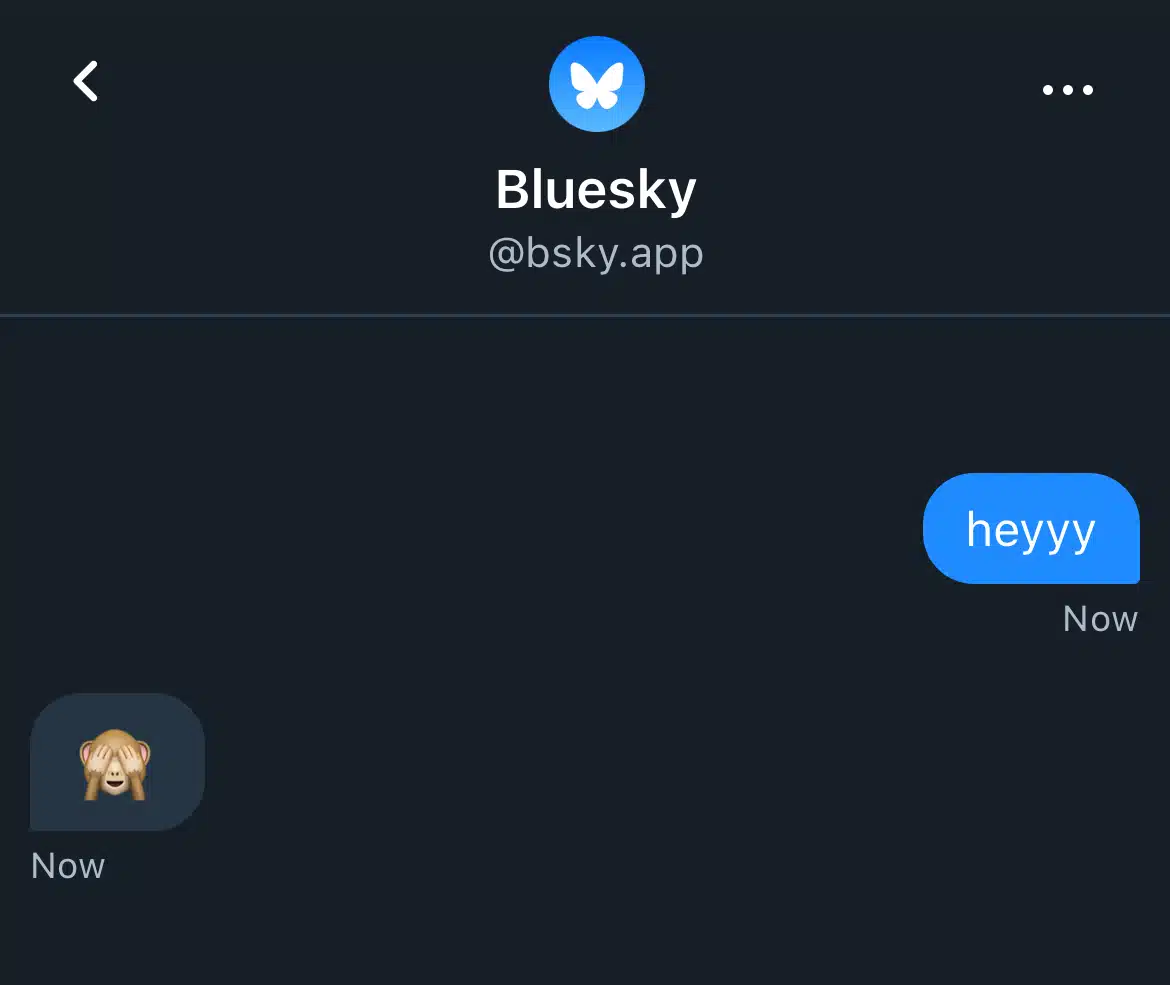
Neither platform should be treated as an end-to-end encrypted messaging service. But if you simply want to continue a conversation privately with a customer, creator, or other account, Bluesky feels closer to the messaging experience most people already know from other social platforms.
12. Content scheduling works differently on Mastodon and Bluesky
Neither platform gives businesses the kind of built-in scheduling workflow you’d expect from a dedicated social media management tool.
Mastodon does support scheduled posts through its API, so some Mastodon apps and third-party tools can schedule content. What you can do directly depends on the platform you’re using.
Bluesky doesn’t currently offer native scheduling in its main app. Its 2026 product roadmap still lists improvements to basic publishing tools, including drafts and updates to the post composer.
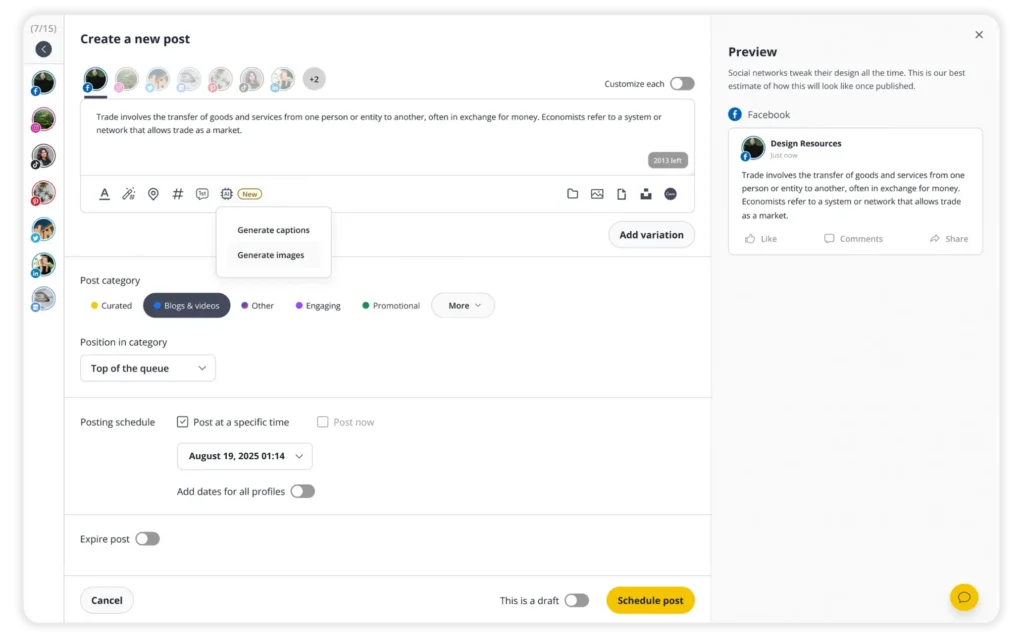
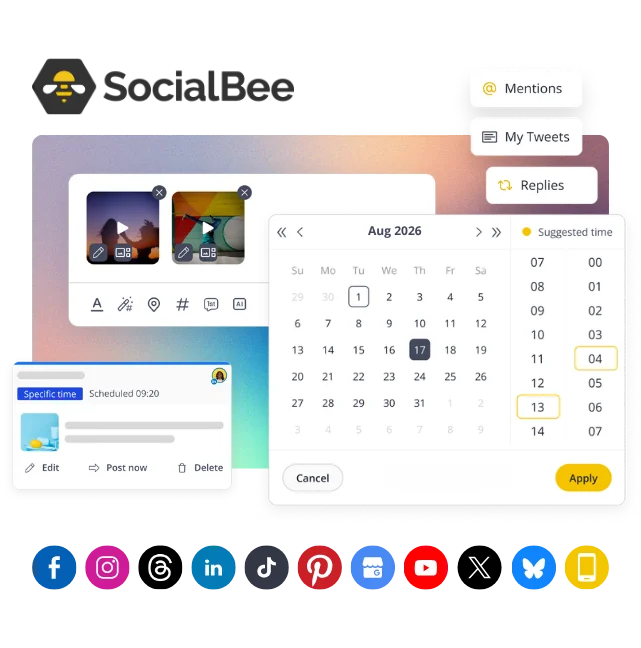
If you’re publishing regularly, especially across several social media platforms, relying on third-party tools is much easier than managing each account separately.