How can brand marketing teams consistently create viral, high-performing content?
The answer lies in transforming your raw social media analytics from a static report into an active roadmap for your next content production loop. By systematically tracking consumer behavior, understanding platform engagement patterns, and aligning creative output with data, businesses can protect their marketing budget, achieve repeatable creative success, and drive measurable engagement.

Many brands spend hours creating social media content without knowing whether their efforts are producing meaningful results. They post consistently, experimenting and following industry trends, yet engagement remains unknown.
This is where social media analytics steps in. It provides valuable insights into content performance, user behavior, and audience preferences. These insights, when used correctly, can make your content more engaging and help you achieve your marketing goals.
Instead of relying on assumptions, successful marketers use analytics to guide every stage of their content strategy.
Why Social Media Analytics Matter More Than You Think
If you post without checking your numbers, you’re guessing. Guessing works sometimes, but it wastes time and energy. Analytics remove the guesswork by showing you real proof of what your audience actually enjoys.
Which Metrics Actually Help You Find Better Content Ideas?

Not every metric deserves the same level of attention. If your goal is to find content opportunities, you need to look deeper.
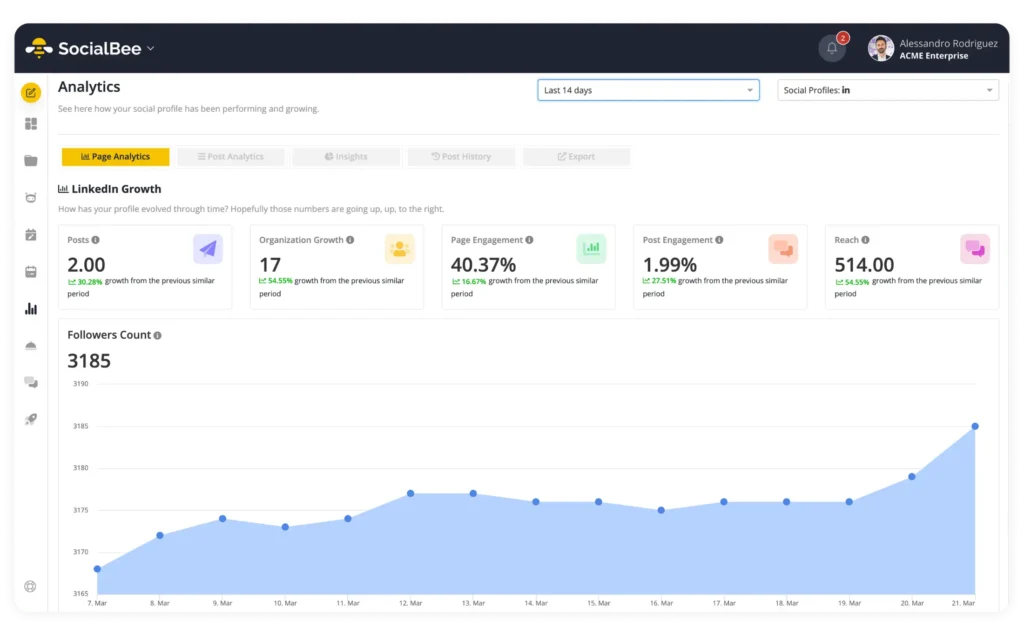
- Reach – how many people saw your post. This tells you if your content is getting in front of new eyes.
- Engagement – likes, comments, shares, and saves. This tells you if people actually cared once they saw it.
- Saves and shares – these are the gold-star metrics. A save means “I want to come back to this.” A share means “I want my friends to see this too.”
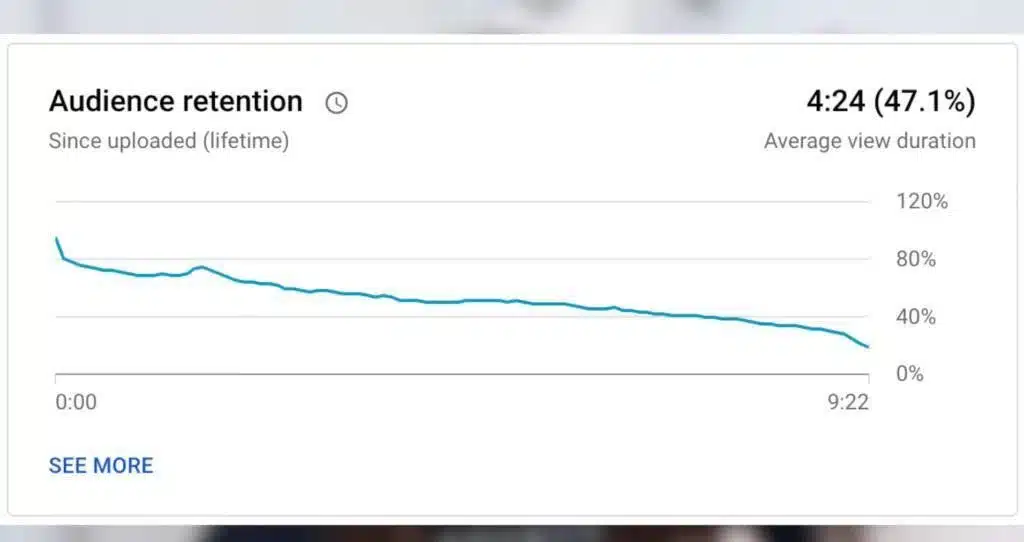
- Watch time or read time – for videos and longer posts, this tells you if people stayed or scrolled away.
Steps to Win Your Next Campaign
Creative teams must prioritize these heavy engagement metrics above basic views to build lasting brand authority.
Step 1: Strategic Content Classification
Do not view your social profile feed as a single chronological timeline. Categorize updates by content format, creative angles, and visual style. This allows marketing teams to isolate data and discover exactly which clusters drive growth.
Step 2: Creative Asset Deconstruction
Once metrics point out your top-performing content clusters, conduct a detailed creative autopsy on those specific posts. Analyze the exact elements behind the success, including the initial three-second hook, layout templates, visual editing pace, and captions.
Replicating content does not mean copying the same script. It means understanding the successful underlying structure and applying that layout to fresh topics.
Step 3: Performance Drop Elimination
Turning analytics into a future win requires looking closely at your losses. Identify content formats that experience a sudden drop in audience, high-scroll past trends, or low completion rates.
If a specific format consistently fails to match the current user intent, remove it from production. Removing low-value assets protects valuable execution hours and reduces human error.
Step 4: Closed Loop Iteration
Data-driven content optimisation is not a one-time project. It is a continuous loop that must be embedded into your weekly marketing operations. Use these sessions to update your asset tags, review your engagement curves, and tweak your copy choices.
When you discover a sudden spike in engagement for a specific conversational thread, treat it as an emergency content signal. Expand that single successful update into a multi-part video series, an in-depth blog post, or an interactive community poll. By building an agile workflow that honors audience interaction data, you ensure that your brand remains culturally relevant and highly visible across an increasingly competitive landscape.
Build a Weekly Analytics Routine
Creating a simple review process makes analytics much more useful. Every week:
- Identify your three best-performing posts.
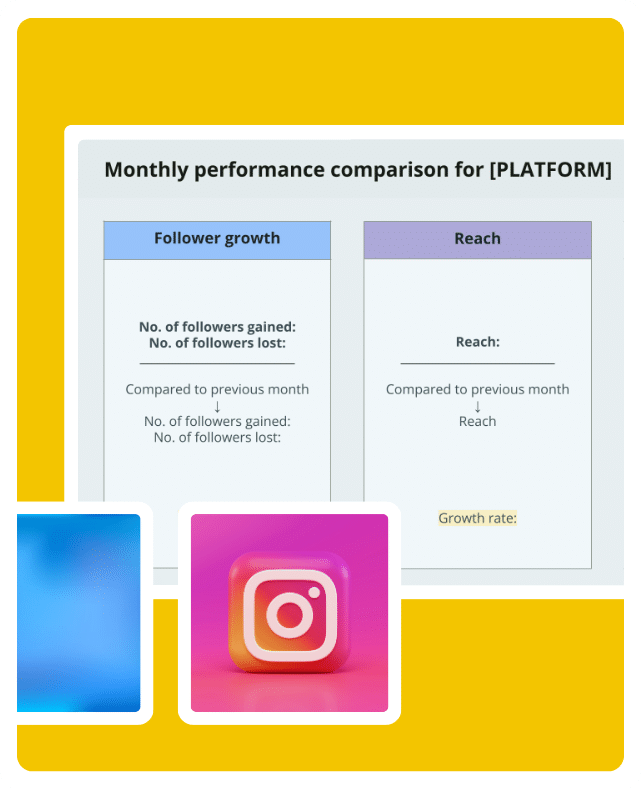
- Review shares, saves, comments, watch time, and engagement rate.
- Note recurring themes or formats.
- Record audience questions.
- Plan next week’s content using these insights.
Over time, this process transforms analytics from a reporting tool into a content planning system.
Future-Proofing Your Creative Engine
The next content win is rarely found by staring at a blank content calendar. More often, it is hiding in your existing analytics. The posts that generated the most daves, the videos people watched until the end, and the conversations happening in your comments section all contain clues about what your audience wants next. The brands that consistently create strong content are not guessing. They’re paying attention!
Your analytics become much more useful when they influence what you publish next. SocialBee brings analytics and content management together, so you can find your strongest posts, use what worked to plan new content, schedule those posts, and then check how they perform. Over time, you can spend more of your effort on the ideas your audience has already shown an interest in.
Start your 14-day SocialBee trial and use your past performance to plan better content!
FAQs
What are social media analytics?
Social media analytics are performance insights that show how audiences interact with your content across platforms. They include shares, saves, clicks, engagement, reach, and watch time.
How often should I review social media analytics?
Most businesses benefit from weekly performance reviews and monthly trend analysis to identify content opportunities.
Can one successful post lead to multiple content pieces?
Yes, a high-performing post can often be turned into videos, webinars, blogs, newsletters, and other types of content.
Can historical social data predict future viral content performance?
Data cannot guarantee virality because user behavior changes, but it improves your success rate. Analysing past data can help you understand your messaging style, topics, and visual formats.
How do automated tracking tools save time for brand marketing teams?
Automated reporting tools connect directly to platform API engines to pull live engagement data into clean visual dashboards. This automation removes hours of manual data collection, allowing strategy professionals to focus entirely on creative execution and campaign refinement.